
Main Courses
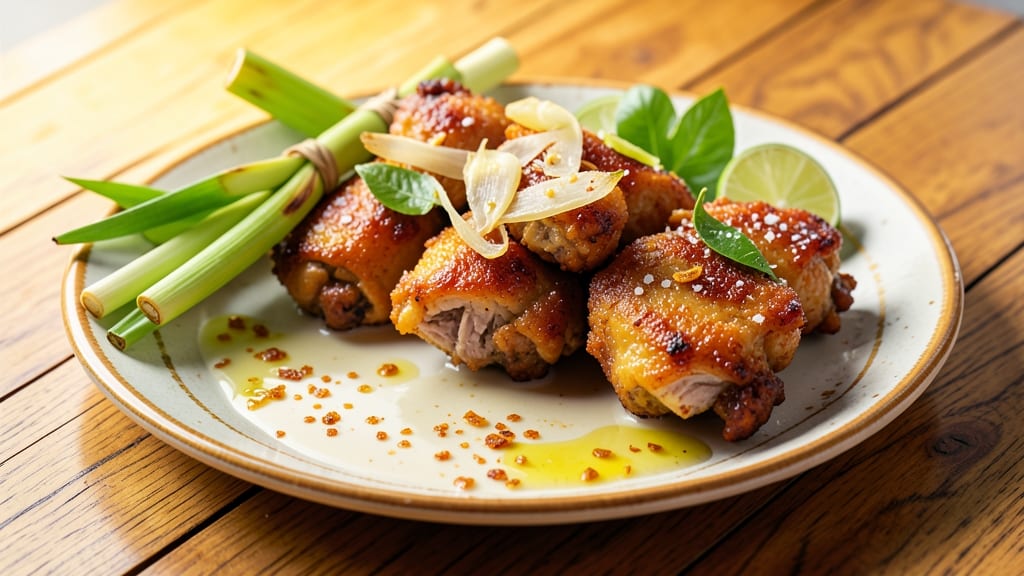
This Anajak Thai fried chicken recipe brings the aromatic streets of Bangkok to your kitchen with its signature coconut-lemon grass crunch and impossibly juicy centers. ✨ I first tasted it at a tiny roadside stall in Chiang Mai, where the crispy exterior gave way to tender, fragrant meat—an experience that changed how I approach fried chicken forever.
The secret lies in the marinade: a balance of lemongrass, galangal, and coconut milk that infuses the chicken while keeping it light enough to fry to perfect golden-brown perfection.
What sets this recipe apart is the dual-texture technique—crispy outside, tender inside—that comes from a careful frying process. Most fried chicken recipes focus on one texture, but Anajak's signature lies in that contrast.
The coconut-lemon grass marinade doesn't just flavor the chicken; it creates a protective barrier that locks in moisture while allowing the skin to develop that addictive crunch.
And unlike many fried chicken recipes that rely on heavy breading, this version uses just enough cornstarch for that signature crunch without masking the chicken's natural flavor.
The result is chicken that's so flavorful it becomes the star of any meal, whether served with steamed jasmine rice and a side of cucumber salad or wrapped in lettuce leaves for a quick lunch. The aroma alone—citrusy, coconutty, with hints of lemongrass—will have everyone gathering around your table.
What makes this recipe truly special is how it transforms a simple fried chicken into something that feels like a celebration, all while keeping the technique accessible for home cooks.
This isn't just another fried chicken recipe—it's a taste of Thailand's vibrant street food culture, brought to your home kitchen with professional results. The marinade can be made ahead, and the frying process is straightforward once you master the timing.
Trust me, after your first bite of that crispy, fragrant chicken with its perfectly juicy center, you'll never go back to ordinary fried chicken again.
Ingredients for anajak thai fried chicken
The aromatic heart of Thai street food—just 14 ingredients transform ordinary chicken into extraordinary.
| Ingredient | Amount | Notes |
|---|---|---|
| Chicken Thighs 🍗 | 1 ½ lb | Bone-in, skin-on, cut into even pieces |
| Fresh Lemongrass 🌿 | 3 whole | Lower stalks only, bruised to release oils |
| Galangal 🌿 | 3 inch | Fresh, peeled, sliced thinly |
| Coconut Milk 🥥 | 13 ½ oz | Full-fat can, well-shaken |
| Cornstarch 🌾 | ½ cup | For crispy coating |
| Kaffir Lime Leaves 🍋 | 4 whole | Bruised, for aroma |
| Lemons 🍋 | 2 whole | Juiced, zest included |
| Garlic Cloves 🧄 | 6 cloves | Minced, aromatic |
| Fish Sauce 🍶 | 2 tbsp | Red Boat preferred |
| Brown Sugar 🍚 | 2 tbsp | Light, for balance |
| Vegetable Oil 🫒 | 4 cups | For deep frying |
| Salt 🧂 | 1 ½ tsp | Kosher, to taste |
| Black Pepper 🌶️ | ½ tsp | Freshly ground |
| Cilantro 🌿 | ¼ cup | Chopped, for garnish |
Lemongrass and galangal are the soul of this dish. Asian markets have the freshest stalks—look for vibrant green lemongrass with no brown spots and firm, knobby galangal. If you can't find galangal, ginger at half the amount works in a pinch, though it won't be identical. The coconut milk should be full-fat (none of that light stuff)—Thai Kitchen brand is my go-to. For the chicken, bone-in, skin-on thighs stay juicier than breasts. I always buy free-range from the grocery store's butcher counter—worth the extra 50 cents per pound for that rich flavor.
No kaffir lime leaves? Double the lime zest plus a splash of lime juice gets you close, though the aroma won't be identical. Running short on fish sauce? Soy sauce plus a pinch of sugar mimics the umami, but trust me, Red Boat is worth tracking down. The cornstarch is non-negotiable for that signature crunch—regular flour makes it gummy. Pro tip: Bruise the lemongrass and galangal with the side of a knife before adding to the marinade—releases those magical oils that make this dish smell like heaven.
Marinade keeps 3 days in the fridge, though it tastes best fresh. Chicken stays crispy for 2 hours after frying if you keep it warm in a 200°F oven. For leftovers, reheat in a 350°F oven for 10 minutes—microwaving kills the crunch. I always make double the marinade and freeze half for next time. The oil? Strain and reuse once—just keep it under 350°F to avoid breaking down.
Why You'll Love This Recipe
- One-Pot Magic: I swear by this recipe because it’s actually one-pan (or skillet) friendly—no fussing with multiple bowls or sauces. Just marinate the thighs in lemongrass and galangal paste, toss in coconut milk, and let the cornstarch work its crispy wonders. The cleanup? Two minutes with a damp towel.
- Flavor Bomb: That first bite of golden, crunchy chicken with the creamy, tangy coconut sauce? It’s like a Thai street food hug. The lemongrass and galangal add this bright, herbal kick that cuts through the richness—honestly, it’s the kind of dish that makes you pause mid-bite just to savor it.
- Weeknight Hero: Between us, this is my go-to when I’m too tired to plan but still want something impressive. The thighs stay juicy even after reheating, so it’s perfect for meal prep—just pop it in the fridge and reheat with a splash of coconut milk. (Yes, even on a Tuesday night.)
- Budget Crispy Win: Chicken thighs are forgiving and cheap, and this recipe stretches them further with the coconut milk sauce. Plus, galangal and lemongrass last forever in the freezer, so you’re not wasting money on single-use spices. It’s the kind of dish that feels fancy but won’t break the bank.
Step-by-step instructions for Anajak Thai fried chicken
This fragrant coconut-lemongrass fried chicken delivers perfect crunch and juicy centers every time.
👨🍳 Step 1: Prepare the Aromatic Marinade
In a food processor, combine the 3 whole fresh lemongrass (lower stalks only), 3-inch galangal, 6 cloves garlic, 4 whole kaffir lime leaves, 2 whole lemons (juiced and zested), 2 tbsp fish sauce, 2 tbsp brown sugar, 1.5 tsp salt, and 0.5 tsp black pepper. Pulse until finely minced but still slightly textured—you want those essential oils released but not a puree.
Transfer the marinade to a large bowl and add the 1.5 lb chicken thighs. Gently massage the marinade into the chicken, making sure it coats every piece evenly. Cover and refrigerate for at least 4 hours (overnight works best). This marinating time is crucial—it infuses the chicken with those fragrant coconut-lemongrass notes while keeping the meat tender.
🍳 Step 2: Create the Crispy Cornstarch Coating
In a separate bowl, combine the 0.5 cup cornstarch with 0.25 cup chopped cilantro. The cilantro adds freshness and will give your chicken that signature Thai restaurant garnish. Mix well to distribute the cilantro evenly throughout the cornstarch.
Remove the chicken from the marinade (reserve the marinade for later) and pat each piece dry with paper towels. This step is essential—any moisture will prevent the cornstarch from forming that perfect crispy crust. Working in batches, toss each chicken piece in the cornstarch mixture until fully coated. Shake off any excess, but don't worry about getting every last bit—you want that thick, even coating.
🔥 Step 3: Deep-Fry to Golden Perfection
Fill a deep pot or Dutch oven with 4 cups vegetable oil and heat to 350°F using a deep-fry thermometer. I like to use a heavy-bottomed pot to maintain even heat—this prevents hot spots that can cause uneven cooking. The oil should be shimmering but not smoking when ready.
Carefully add the cornstarch-coated chicken in a single layer, being careful not to splash hot oil. Fry for 8-10 minutes until the chicken reaches an internal temperature of 165°F and the exterior is deep golden brown. You'll know it's ready when the crust is crispy and the chicken releases easily from the oil. Use a slotted spoon to transfer to a paper towel-lined plate to drain excess oil.
🥘 Step 4: Finish with Coconut-Lemongrass Sauce
While the chicken fries, prepare the sauce by heating the reserved marinade in a saucepan over medium heat. Add the 13.5 oz coconut milk and bring to a gentle simmer. Let it cook for 5-7 minutes until slightly thickened—you want it to coat the back of a spoon but still be pourable. The sauce should smell like a tropical paradise with those bright lemongrass and citrus notes.
Toss the fried chicken in the warm coconut sauce until fully coated. The residual heat will help the sauce cling to the crispy exterior while keeping the chicken juicy inside. For that final touch, sprinkle with additional chopped cilantro and serve immediately while the crust is still crisp and the sauce is warm.
Pro Tips For Making Anajak Thai Fried Chicken
- Pound the Galangal: Skip the knife for this one—use a mortar and pestle to crush the galangal until it’s almost paste-like. I learned this the hard way: pre-sliced galangal just doesn’t release its oils the same way. The flavor will be deeper, and your sauce won’t taste like you forgot half the spices.
- Double-Crust the Chicken: Toss the thighs in cornstarch twice—first to coat the raw meat, then again after they’ve fried once. The first layer seals in moisture, while the second gives you that signature crispy crust. Yes, it’s extra work, but the difference in texture is night and day.
- Simmer the Coconut Milk: Reduce that coconut milk slowly until it’s thick enough to coat the back of a spoon—about 10-15 minutes on low heat. Rushing it turns your sauce into a watery mess. A splash of chicken fat from the frying pan helps emulsify it later, so don’t drain it completely.
- Fry in Batches: Crowd the pan, and your chicken will steam instead of fry. Work in small batches—three or four thighs at a time—so the oil stays hot and the crust forms properly. I know, I know, it takes longer, but soggy anajak is a crime you don’t want to commit.
Flavor customization for anajak thai fried chicken
Spicy Kick
For those who love heat, add 1 tbsp Thai bird's eye chili paste or 1 tsp sambal oelek to the marinade. The chili paste blends beautifully with the coconut and lemongrass flavors, creating a perfect balance of sweet, sour, and fiery.
I like to add it right before frying so the heat doesn't overpower the delicate marinade. Serve with extra chili flakes on the side if you want to adjust the spice level to taste. 🌶️
Sweet & Tangy Twist
Brighten the dish by adding 1 tbsp lime zest and 1 tbsp honey to the marinade. This combination enhances the natural sweetness of the coconut while adding a refreshing citrus note. The honey also helps caramelize the cornstarch coating during frying, creating an extra layer of flavor.
Trust me, this tweak makes the chicken taste like it came straight from a Bangkok street cart.
Herb-Infused Version
For a more herbaceous flavor, swap out half of the cilantro in the cornstarch coating for 0.125 cup chopped Thai basil or 0.125 cup chopped mint leaves.
The Thai basil adds a distinct anise-like flavor that pairs perfectly with the coconut and lemongrass, while the mint brings a cool, refreshing contrast. Use fresh herbs only—they make all the difference in this dish. 🌿
Smoky Charcoal Finish
If you have access to a grill or grill pan, finish the fried chicken by quickly searing it over medium-high heat for 1-2 minutes per side after frying. This adds a subtle smoky char that complements the coconut and lemongrass flavors beautifully.
I like to do this right before serving to keep the crunch intact. It’s a great way to elevate the dish without adding any extra ingredients.
Creamy Coconut Boost
For extra richness, stir 2 tbsp coconut cream into the coconut sauce before tossing the chicken. The thicker texture of coconut cream adds a luxurious mouthfeel that pairs perfectly with the crispy exterior.
You can also drizzle a little extra coconut cream on top of each piece before serving for that ultimate restaurant-style presentation. It’s a small change that makes a big difference in flavor and texture.
Citrus Zest Garnish
Finish your dish with a sprinkle of lemon zest and a few drops of lime juice right before serving. The bright citrus notes cut through the richness of the coconut and fried chicken, adding a refreshing pop of flavor.
I also like to garnish with a few cilantro leaves for that classic Thai touch. It’s a simple but effective way to make your dish look and taste even more impressive. ✨
Nutrition facts
Frequently asked questions
Can I use chicken breasts instead of thighs for this recipe?
While you can use breasts, thighs are ideal because they stay juicier during frying. If using breasts, pound them to an even thickness (½-inch) and reduce frying time to 6-7 minutes to avoid drying out. They'll be less forgiving than thighs, so monitor closely.
What's the best way to substitute galangal if I can't find it?
Use 1.5 inches of fresh ginger (about half the amount) for a close flavor profile. For extra authenticity, add ½ tsp turmeric to mimic galangal's earthy warmth. The marinade will still taste amazing, though not identical to the original.
How do I keep the chicken crispy when reheating?
Reheat in a 350°F oven for 10-12 minutes on a wire rack over a baking sheet. This allows hot air to circulate and maintains crispiness. Avoid microwaving—it turns the coating soggy. For best results, reheat only what you plan to eat immediately.
Can I make this recipe without a deep fryer?
Use a heavy pot with 2-3 inches of oil and maintain 350°F with a thermometer. Fry in batches to avoid overcrowding, which lowers oil temperature. A Dutch oven works perfectly. Just be extra careful with hot oil splatter.
What's the secret to getting that perfect crispy crust?
Three things: dry chicken (pat thoroughly), hot oil (350°F), and cornstarch (not flour). The cornstarch creates a lighter, crispier coating than flour. Don't rush the frying—golden brown takes 8-10 minutes for thighs. Patience pays off!