
Sauces & Condiments
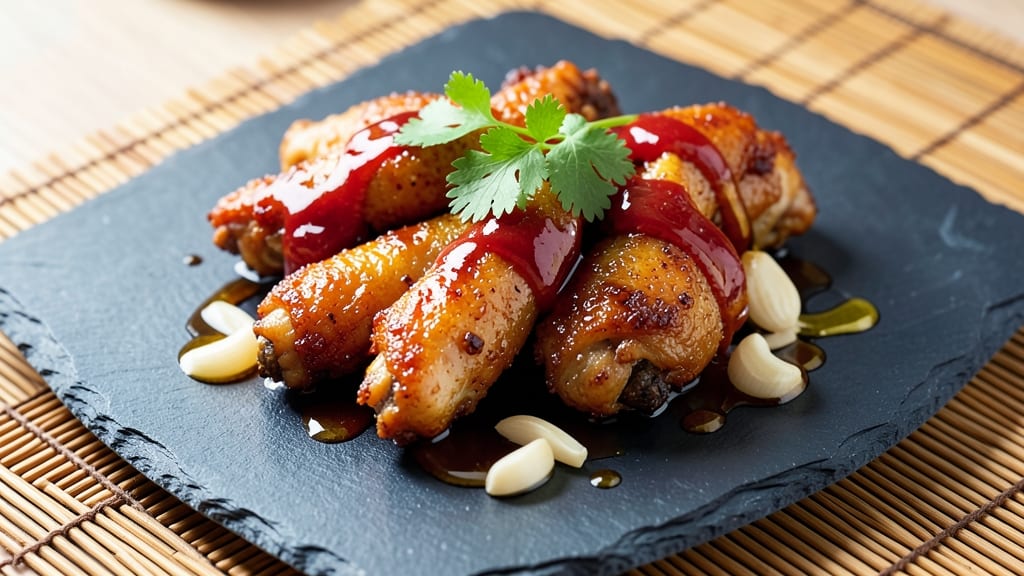
This Asian chicken wing sauce recipe delivers the perfect balance of sweet, spicy, and umami that transforms ordinary wings into restaurant-quality masterpieces. 🔥 The secret lies in a precise blend of soy sauce, honey, garlic, ginger, and chili—simmered together until thick, glossy, and packed with flavor.
I've perfected this sauce over countless batches, ensuring it's sticky enough to cling to every bite while delivering that signature tangy-sweet kick.
What sets this sauce apart is its versatility—it works equally well for baking, grilling, or tossing onto already-cooked wings. The combination of dark soy sauce for depth, rice vinegar for brightness, and a touch of sesame oil adds layers of complexity that store-bought sauces simply can't match.
With just 10 minutes of active prep and 15 minutes of simmering, you'll have a sauce that's ready to elevate any wing night.
The result is a glossy, sticky glaze that caramelizes beautifully on wings, creating a perfect balance of sweetness and heat. The sauce keeps well in the fridge for up to two weeks, making it ideal for meal prep or hosting gatherings.
Whether you prefer your wings mild or fiery, this recipe lets you control the spice level while delivering that unmistakable Asian-inspired flavor profile.
Pair it with crispy baked wings, grilled chicken, or even as a dipping sauce for spring rolls. The possibilities are endless, but the execution is simple—just mix, simmer, and enjoy the compliments. Here's everything you need to make it.
Ingredients for asian chicken wing sauce
Ten simple ingredients transform into a sticky, umami-packed sauce that makes wings unforgettable.
| Ingredient | Amount | Notes |
|---|---|---|
| Dark Soy Sauce 🍶 | ½ cup | For deep umami flavor |
| Light Soy Sauce 🍶 | ¼ cup | Balances the richness |
| Honey 🍯 | ⅓ cup | Substitute maple syrup for vegan |
| Rice Vinegar 🍶 | ¼ cup | Adds tangy brightness |
| Sesame Oil 🫒 | 1 tbsp | Toasted for nutty aroma |
| Garlic Cloves 🧄 | 6 cloves | Minced for potent flavor |
| Fresh Ginger 🌿 | 2 tbsp | Grated, vibrant root |
| Red Chili Flakes 🌶️ | 1 tbsp | Adjust for heat preference |
| Cornstarch 🌾 | 1 tbsp | For thickening sauce |
| Water 💧 | ¼ cup | For cornstarch slurry |
The soy sauces are the heart of this sauce—dark soy sauce gives that signature glossy color and deep flavor, while light soy sauce balances it out. Kikkoman or Lee Kum Kee are my go-tos for dark soy sauce, but any brand works. Fresh ginger and garlic? Buy it whole—they keep longer and taste better than pre-minced. The ginger should smell vibrant, not dusty. For chili flakes, Trader Joe's has a great blend if you want consistency, but fresh red chili peppers work too if you're feeling adventurous. Toast the sesame oil gently in a dry pan first—just until it smells nutty—that makes all the difference.
No honey? Maple syrup or agave works perfectly, though the flavor will be slightly different. Short on rice vinegar? Apple cider vinegar is a fine swap, though it's a bit stronger. The cornstarch slurry is key for that perfect glossy finish—don't skip it. If you're making this for a crowd, double the batch—it keeps beautifully and you'll thank me later. Want it spicier? Add 1 extra tbsp of chili flakes or a dash of Sriracha at the end. The sauce thickens as it cools, so if it's too thick right away, add a splash of water or vinegar.
This sauce is a fridge staple—keeps for 2 weeks in an airtight container. For longer storage, freeze in ice cube trays and pop out what you need. Double batches are worth it—freeze half and you've always got sauce on hand. The flavor actually improves after a day or two as everything melds together. Use it on wings, chicken, tofu, or even drizzle it over noodles. Pro tip: Reheat gently on low heat or in the microwave with a splash of water to keep it glossy.
Why You'll Love This Recipe
- Pantry Magic: I swear by this sauce because it lives in my cupboard—no special shopping trips, just those five ingredients you’re already using. Dark soy for depth, light soy for brightness, and honey cutting through the salt like a knife. Honestly, I’ve made it with whatever was open, and it’s never let me down.
- Umami Bomb: The combo of dark and light soy sauce? That’s where the magic happens—a salty, savory punch with just a hint of tang from the rice vinegar. Add sesame oil at the end, and suddenly your wings taste like they’ve been marinating for hours, not tossed together in 10 minutes.
- Game Day Ready: This sauce is my go-to for game nights, lazy Sundays, or when I need to feed a crowd without stress. Double the batch, store it in the fridge, and it’s ready to drizzle on wings, noodles, or even grilled fish. My roommates still steal the leftovers from my container.
- Budget Win: Between us, this sauce costs pennies per serving. A splash of vinegar, a drizzle of honey, and a couple teaspoons of soy sauce—no fancy ingredients, no markup. I’ve made it stretch for four meals because it’s just that good, and my wallet thanks me every time.
Step-by-step instructions for Asian chicken wing sauce
Here's how to make a sauce that'll turn ordinary wings into sticky, glossy masterpieces.
🍳 Step 1: Toast the Aromatics for Maximum Flavor
Heat a small skillet over medium heat and add the 1 tablespoon sesame oil. Let it warm for 30 seconds until shimmering but not smoking. Add the 6 cloves minced garlic and 2 tablespoons grated fresh ginger, stirring constantly for 1-2 minutes until fragrant and just starting to turn golden.
Watch closely here—the garlic and ginger should smell intensely aromatic but not burn. If it starts to darken too quickly, reduce the heat slightly. This step builds the aromatic foundation of your sauce, so don't rush it. Remove from heat and set aside to cool slightly while you prepare the rest.
🥘 Step 2: Combine Wet Ingredients for the Base
In a medium saucepan, whisk together the 0.5 cup dark soy sauce, 0.25 cup light soy sauce, 0.33 cup honey, and 0.25 cup rice vinegar. Bring the mixture to a gentle simmer over medium heat, then reduce heat to low and let it cook for 3-4 minutes until slightly reduced and steaming.
This reduction step concentrates the flavors and removes any raw vinegar sharpness. You'll notice the sauce darken slightly as the soy sauces meld with the honey. Keep an eye on it—you want gentle bubbling, not vigorous boiling. After reducing, stir in the toasted garlic-ginger mixture and 1 tablespoon red chili flakes.
🍳 Step 3: Thicken the Sauce to Perfect Consistency
In a small bowl, whisk together the 1 tablespoon cornstarch with the 0.25 cup water until completely smooth. Slowly pour this slurry into the simmering sauce while whisking constantly. The sauce will thicken dramatically within 1-2 minutes—you're aiming for a consistency like honey that coats the back of a spoon.
Here's the thing—this sauce should be glossy and glossy, not gluey. If it thickens too much, add 1-2 teaspoons hot water to loosen it. Taste and adjust seasoning—you might need a pinch more salt or a splash more vinegar to balance the flavors. The sauce should be sweet, tangy, umami-rich, and just slightly spicy.
⏰ Step 4: Cool and Rest for Maximum Flavor Development
Remove the sauce from heat and let it cool to room temperature, stirring occasionally. This resting period allows the flavors to meld completely and the sauce to reach its perfect consistency. I like to transfer it to a clean jar and refrigerate for at least 30 minutes before using—this step makes a noticeable difference in flavor depth.
When you're ready to use the sauce, give it a good stir. It should be thick enough to coat wings completely but still flow smoothly. If it's too thick after chilling, thin with 1 teaspoon hot water at a time. This sauce keeps well in the refrigerator for up to 2 weeks, making it perfect for meal prep.
Pro Tips For Making Asian Chicken Wing Sauce
- Simmer Slow: This sauce isn’t a race—let it bubble gently for 8–10 minutes on medium-low. I used to crank the heat to speed things up, but that just burns the honey and makes the sauce taste bitter. Low and steady lets the flavors meld without turning your kitchen into a smoke bomb.
- Balance the Vinegar: Rice vinegar adds tang, but too much throws off the sweet-savory balance. Start with 1 tablespoon and taste as you go—you can always add more honey later, but you can’t fix over-sour. (Yes, I learned this after dumping extra vinegar in once and regretting it.)
- Toast the Sesame Oil: Heat the sesame oil separately in a dry pan for 30 seconds until it smells nutty and fragrant—then whisk it into the sauce at the end. Cold sesame oil just adds grease; toasting it deepens the aroma and makes the sauce taste like it was made by someone who actually cares.
- Reduce the Soy Sauces First: Cook the dark and light soy sauces together for 2–3 minutes before adding honey or vinegar. This cuts down on the liquid later and concentrates the umami. Skipping this step means your sauce will be thin and watery—trust me, you’ll notice the difference.
Creative variations of this dish
Sweet & Spicy Fusion
Want to kick things up a notch? Swap the red chili flakes for 1 tbsp gochujang (Korean chili paste) and add 1 tsp sriracha for a deeper, slightly funky heat.
This fusion style works amazingly on wings and even as a dipping sauce for dumplings. For extra richness, stir in 1 tsp toasted sesame seeds at the end. 🌶️
Hoisin-Ginger Twist
For a richer, slightly sweeter sauce, replace the dark soy sauce with ¼ cup hoisin sauce and reduce the honey to 2 tbsp. Add 1 tsp grated star anise (toasted first) for a warm, aromatic depth.
This version pairs perfectly with grilled pork or chicken skewers. The hoisin adds a natural glossiness without extra effort.
Lemon-Garlic Brightener
Need a lighter, fresher take? Swap the rice vinegar for ¼ cup lemon juice and add 1 tbsp grated lemon zest. Reduce the honey to 2 tbsp and add 1 tbsp chopped cilantro at the end.
This zesty version works beautifully on shrimp or as a marinade for tofu. The citrus cuts through the richness, making it ideal for summer meals.
Smoky Chipotle Infusion
Craving smoky depth? Add 1 tsp adobo sauce from canned chipotles (or ½ tsp smoked paprika for a milder version) to the base sauce. For extra smokiness, toast ½ tsp coriander seeds in a dry pan and grind them into the sauce.
This version transforms wings into a BBQ-Asian fusion masterpiece. Pair it with a sprinkle of cotija cheese for a Mexican-Asian mashup.
Sweet Chili Glaze
Turn this into a sweet chili glaze by replacing the red chili flakes with 2 tbsp chili garlic sauce (like Sambal Oelek) and adding 1 tbsp lime juice. Reduce the honey to ¼ cup and add 1 tbsp chopped Thai basil at the end.
This glaze is perfect for grilled meats or even drizzled over noodles. The tangy-sweet balance makes it irresistible.
Vegan Adaptation
Make this sauce completely plant-based by using maple syrup instead of honey and ensuring your soy sauce is vegan. For extra umami, add 1 tbsp mushroom powder or 1 tsp nutritional yeast.
This version works perfectly on baked tofu, tempeh, or vegan wings. The sauce's rich flavors shine even without animal products, proving it’s a crowd-pleaser for everyone. 🌱
Nutrition facts
Frequently asked questions
Can I make this sauce without cornstarch?
Yes, but the texture will be thinner. For a cornstarch-free version, use 1 tbsp arrowroot powder or 1 tbsp tapioca starch mixed with 2 tbsp water instead. If you prefer no thickener at all, reduce the honey to 2 tbsp and simmer the sauce longer (up to 10 minutes) to naturally reduce it to a syrupy consistency. The flavor will still be delicious, just less glossy.
How do I adjust the spice level?
Start with the 1 tbsp red chili flakes as written for mild heat. For medium spice, add 1 tsp extra chili flakes or ½ tsp cayenne pepper. For fiery heat, swap the chili flakes for 1 tbsp gochujang or 1 tsp sriracha. Always taste as you go—you can't remove spice easily, but you can balance it with more honey or vinegar if needed.
Can I use this sauce on other proteins besides wings?
This sauce works beautifully on grilled chicken thighs, pork skewers, tofu, or even as a dipping sauce for spring rolls or dumplings. For seafood, use it on shrimp or scallops—just reduce the cooking time to 5 minutes to prevent overcooking. The sauce's balance of sweet, salty, and umami makes it incredibly versatile.
Why did my sauce turn out too thick?
This usually happens if the cornstarch slurry thickens too quickly or if the sauce cools too much. To fix it, gently reheat the sauce on low heat while stirring in 1 tsp hot water at a time until it reaches a glossy, honey-like consistency. If it's still too thick after reheating, add another 1 tsp water. For prevention, keep the sauce at a gentle simmer while thickening, not a rolling boil.
How long can I store leftover sauce?
The sauce keeps well in an airtight container in the fridge for up to 2 weeks. For longer storage, freeze it in ice cube trays or small portions—it'll keep for 3 months this way. When reheating frozen sauce, thaw it in the fridge overnight and warm it gently on low heat with a splash of water to restore its glossy texture. The flavor actually improves with time as the ingredients meld!