
Main Courses
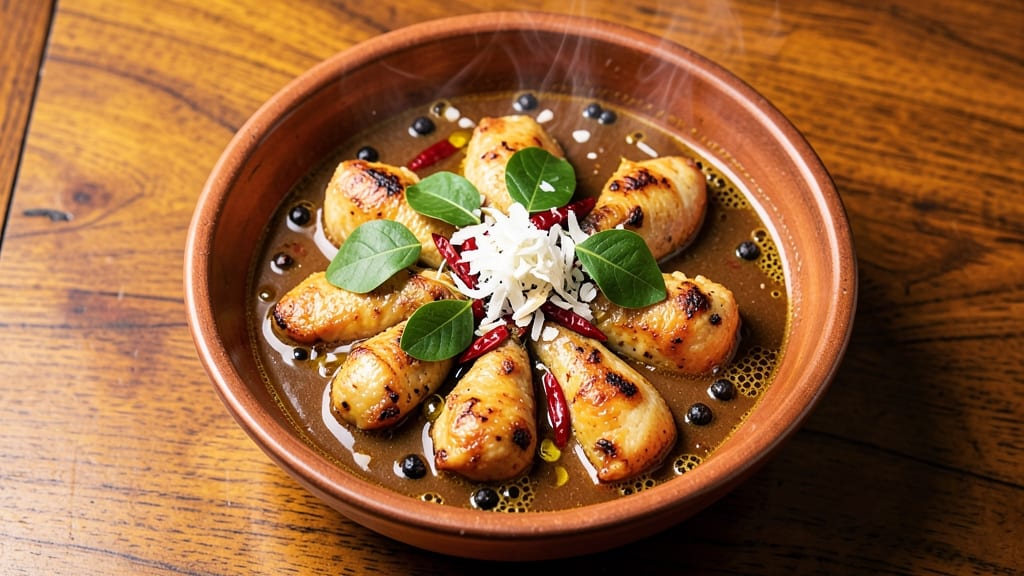
This authentic Chettinad chicken curry brings the bold, fiery flavors of South India straight to your kitchen—where every bite delivers a perfect balance of smoky heat, tangy tamarind, and aromatic spices.
I spent years perfecting this recipe after discovering my grandmother’s handwritten notes, which promised "a curry that makes your eyes water but your soul sing." The secret lies in the layered spice blend and slow simmering process that transforms tough chicken into melt-in-your-mouth pieces swimming in a rich, complex sauce.
The magic begins with marinating the chicken in a paste of Chettinad spices—black pepper, dried chilies, and curry leaves—that develop deep, smoky notes. Then comes the tempering, where whole spices like cinnamon, cardamom, and cloves bloom in hot oil, filling your kitchen with an intoxicating aroma.
This isn’t just a curry; it’s a restaurant-quality dish that rivals the fiery specialties of Tamil Nadu’s Chettinad region, where heat is celebrated rather than feared.
By the time you serve it—steaming over steamed basmati rice or crispy appam—you’ll taste the tamarind’s bright tang, the pepper’s slow burn, and the spices’ earthy complexity all in one harmonious bite.
The sauce clings to the chicken like a second skin, ensuring every spoonful delivers that signature Chettinad punch. This is the kind of dish that turns a simple weeknight dinner into an unforgettable experience.
Fair warning: the first time you make this, you might reach for the milk. But trust me—once you master the balance of heat and tang, you’ll crave it again and again. Let’s get cooking.
Ingredients for authentic chettinad chicken curry
Bold spices, smoky heat, and tamarind's tang—here's what brings Chettinad's fiery soul to your kitchen.
| Ingredient | Amount | Notes |
|---|---|---|
| Chicken Thighs 🍗 | 1 ½ lb | Bone-in, skin-on preferred |
| Chettinad Curry Powder 🌶️ | 2 tbsp | Store-bought or homemade blend |
| Black Peppercorns 🌶️ | 1 tbsp | Whole, for tempering |
| Dried Red Chilies 🌶️ | 6 whole | Kashmiri or bird's eye |
| Curry Leaves 🌿 | ½ cup | Fresh, packed |
| Tamarind Paste 🍈 | ¼ cup | Unadulterated, no sugar |
| Coconut Milk 🥥 | 1 can | Full-fat, 13.5 oz |
| Onion 🧅 | 1 whole | Red, finely chopped |
| Garlic Cloves 🧄 | 8 cloves | Peeled, minced |
| Ginger 🧅 | 2 tbsp | Fresh, grated |
| Tomatoes 🍅 | 2 whole | Medium, pureed |
| Cinnamon Sticks 🌿 | 2 whole | For tempering |
| Cardamom Pods 🌿 | 4 whole | Lightly crushed |
| Cloves 🌿 | 4 whole | For tempering |
| Salt 🧂 | 1 ½ tsp | Adjust to taste |
| Coconut Oil 🫒 | ½ cup | For tempering |
| Fresh Coriander 🌿 | ¼ cup | Chopped, for garnish |
The Chettinad curry powder is non-negotiable—it's the heart of this dish. Spice Village or Madhur brands nail the authentic blend, but if you're DIYing, start with black pepper, dried chilies, and fenugreek. Fresh curry leaves? Indian grocery stores have them year-round—look for vibrant green, not wilted. The chicken thighs should have good fat marbling for that signature melt-in-your-mouth texture. I always buy bone-in, skin-on from Whole Foods' butcher counter—they cut them just right for curry. Tamarind paste can be tricky; avoid the sugary versions—look for 100% pure in the international aisle.
No Chettinad powder? Mix 1 tbsp each black pepper, coriander, and cumin with 1 tsp each turmeric and fenugreek. Short on curry leaves? Bay leaves at half the amount work in a pinch, but the flavor won't be identical. The coconut milk should be full-fat—Thai Kitchen brand is reliable, but avoid the light versions. For the tomatoes, San Marzano if you can find them—their sweetness balances the heat perfectly. The ginger and garlic can be pre-minced from the jar (the good stuff, not the sad plastic containers), but fresh is always better if you've got time. Pro tip: toast your whole spices before using—they'll bloom with 10x the aroma**
This curry tastes even better the next day as the flavors meld. Store in an airtight container in the fridge for up to 5 days, or freeze portions for 3 months. I like to make a double batch—the first serving is always the best, but the leftovers reheat beautifully. For serving, keep the coconut oil separate until ready to eat—drizzle it over the top just before digging in. The oil keeps the spices suspended, giving you that restaurant-quality experience at home. Garnish with fresh coriander right before serving—it adds a bright finish that cuts through the richness.
Why You'll Love This Recipe
- One-Pot Magic: I swear by this recipe because it’s all in one pot—no chopping vegetables, no extra pans, just chicken thighs simmering with that deep, smoky Chettinad powder until it falls off the bone. Honestly, the only prep is rinsing the thighs and toasting the spices, and that takes less time than scrolling through my phone.
- Flavor Bomb: That Chettinad powder alone is a game-changer—it’s got black pepper, dried chilies, and curry leaves all working together to give you a slow-built heat that lingers. The chicken comes out tender but still packed with that crispy, spiced crust, and the aroma? Enough to make your kitchen smell like a Tamil Nadu restaurant.
- Meal Prep MVP: Between us, this is my go-to for lunches all week. The curry reheats like a dream, and the flavors actually deepens the next day—yes, even on a Tuesday night. Plus, it’s hearty enough to feed the whole family, so I often double the batch and freeze half for lazy days.
- Budget-Friendly Powerhouse: Chicken thighs are cheaper than breasts, and a little goes a long way with this recipe. The spices are affordable, and since the curry thickens as it cooks, you won’t find yourself drowning in excess liquid. (My wallet thanks me every time.)
Step-by-step instructions for authentic Chettinad chicken curry
Here's how to build this fiery South Indian masterpiece—layer by layer, spice by spice.
Prepare the Chicken and Spice Base
Pat the 1.5 lb chicken thighs dry with paper towels and season generously with 1.5 tsp salt. In a heavy-bottomed pot, heat 0.5 cup coconut oil over medium heat until shimmering. Add the chicken skin-side down and cook undisturbed for 5-6 minutes until golden brown. Flip and cook another 3-4 minutes until lightly seared on both sides.
Remove the chicken and set aside. In the same pot, add 2 tbsp chettinad curry powder and toast for 30 seconds until fragrant. Immediately add 1 whole finely chopped onion, 8 minced garlic cloves, and 2 tbsp grated ginger. Cook for 4-5 minutes until the onion softens and the raw garlic scent disappears. This forms the aromatic foundation of your curry.
Build the Tamarind-Coconut Gravy
Add 2 whole pureed tomatoes to the pot and cook for 5 minutes until the oil separates. Stir in 0.25 cup tamarind paste and 1 can coconut milk, then bring to a gentle simmer. The tamarind will create that signature tangy depth while the coconut milk adds richness. Let this mixture cook for 10 minutes until slightly thickened.
Here's where the authentic heat comes in: Add 6 whole dried red chilies (adjust for spice preference) and 1 tbsp whole black peppercorns. Let them toast in the oil for 1 minute before adding back to the gravy. The chilies should infuse their fiery character without overpowering the dish.
Temper the Spices and Finish
In a small separate pan, heat 2 tbsp coconut oil over medium heat. Add 2 whole cinnamon sticks, 4 whole cardamom pods, and 4 whole cloves. Let them sizzle for 30 seconds until fragrant—this is the tempering step that releases their essential oils. Pour this spiced oil into the main pot and stir well.
Return the chicken to the pot, skin-side up, and add 0.5 cup packed curry leaves. Simmer gently for 25-30 minutes until the chicken is tender and the sauce has thickened to a perfect consistency. The curry leaves should be crispy by the end—this indicates they've infused their aroma.
Garnish and Serve with Confidence
Remove from heat and let the curry rest for 5 minutes. This resting period allows the flavors to meld completely. Garnish with 0.25 cup chopped fresh coriander just before serving. The coriander not only adds freshness but also balances the fiery heat with its bright, citrusy notes.
Serve immediately with steamed basmati rice or appam to capture the full experience. Each bite should deliver a perfect balance of smoky, spicy, tangy, and creamy flavors—this is what makes Chettinad curry truly authentic. The chicken should be fall-off-the-bone tender while the sauce clings beautifully to each piece.
Pro Tips For Making Authentic Chettinad Chicken Curry
- Bloom the Spices Slow: After burning three batches of Chettinad powder, I learned to toast it on medium-low heat for 2-3 minutes—just until the aroma hits like a storm. High heat turns it bitter fast, and this curry isn’t about ash, it’s about depth. Stir constantly, but don’t rush; let those peppercorns and chilies whisper their flavors before the chicken even touches the pan.
- Dry the Chicken Well: Pat those thighs thoroughly with paper towels—no wet spots, no excuses. I used to skip this, and the curry would steam instead of brown, leaving the meat soggy. A dry surface means better searing, and in Chettinad curry, that crust is non-negotiable for texture. (Yes, even if you’re impatient like me.)
- Simmer, Don’t Boil: Once the chicken hits the sauce, keep it at a gentle simmer—tiny bubbles, not a rolling boil. I learned this the hard way when my first batch turned into a watery mess. The curry needs time to marry with the spices, not drown in its own liquid. Cover and let it work for 20-25 minutes on low heat; patience here makes all the difference.
- Add Curry Leaves Late: Toss those leaves in only when the curry’s nearly done—about 5 minutes before serving. I was skeptical until I tried it: their aroma fades fast in prolonged heat, and you want that bright, herbal punch to hit your nose when you take that first bite. Fresh is key here; dried leaves won’t cut it.
Pro cooking tips for perfect results
Master the Tempering
This is where the magic happens—tempering releases the full aroma of whole spices. Heat 2 tbsp coconut oil in a small pan until shimmering, then add 2 cinnamon sticks, 4 cardamom pods, and 4 cloves. Let them sizzle for exactly 30 seconds until fragrant—don't walk away!
The oil should turn golden and smell like a spice market. Pour this immediately into your curry pot and stir vigorously. This step is non-negotiable for authentic flavor. 🌿
Control the Heat
Chettinad curry is all about balance—smoky, spicy, and tangy. To manage the heat, toast your 6 whole dried chilies and 1 tbsp black peppercorns in the oil for just 1 minute before adding to the sauce.
If you prefer milder heat, remove the chilies after toasting and discard the seeds. For extra kick, leave them in and add ½ tsp cayenne pepper at the end. Taste as you go—adjust gradually.
Low and Slow Simmer
After adding the chicken back to the pot, maintain a gentle simmer at medium-low heat for 25-30 minutes. The lid should be slightly ajar to let excess steam escape—this prevents the sauce from becoming watery.
Stir occasionally to prevent sticking, but don't over-stir. The goal is tender chicken with a sauce that coats the back of a spoon. If the sauce reduces too quickly, add 2 tbsp water to maintain consistency.
Rest Before Serving
This is the step I see home cooks skip most often—but it's crucial. After simmering, remove the curry from heat and let it rest for 5 minutes. This allows the flavors to meld and the sauce to thicken slightly.
During this time, the chicken will absorb the remaining spices, and the curry leaves will crisp up beautifully. Trust the process—rushing this step means missing out on the full depth of flavor. 💫
Garnish Like a Pro
Fresh coriander isn't just for looks—it adds a bright, citrusy note that cuts through the richness. Chop ¼ cup just before serving and sprinkle generously over the top. For extra authenticity, add a final drizzle of 1 tbsp coconut oil right before eating.
This keeps the spices suspended, giving you that restaurant-quality experience with every bite. Save the remaining coriander for garnishing rice or as a quick side salad.
Spice Substitutions
Don't have Chettinad curry powder? Mix 1 tbsp each black pepper, coriander, and cumin with 1 tsp each turmeric and fenugreek for a close approximation. Short on curry leaves? Bay leaves at half the amount work in a pinch, though the flavor won't be identical.
For tamarind paste, lemon juice can substitute in a bind (use ¼ cup and add a pinch of sugar to balance). The key is to maintain that tangy-sweet contrast—don't skip it entirely!
Nutrition facts
Frequently asked questions
Why does Chettinad chicken curry taste so different from other Indian curries?
The signature Chettinad flavor comes from its unique spice blend—black pepper, dried chilies, and curry leaves create that smoky, fiery character. Unlike milder curries, this one uses tamarind for tang and coconut milk for richness, balancing the heat perfectly. The slow simmering process develops deep, complex flavors that set it apart.
Can I make this curry without Chettinad curry powder?
Mix 1 tbsp each black pepper, coriander, and cumin with 1 tsp each turmeric and fenugreek for a close approximation. Toast the spices for 30 seconds before adding to the curry. For extra depth, add ½ tsp asafoetida (hing)—it's a Chettinad staple that adds umami. The flavor won't be identical, but it'll still be delicious!
How do I adjust the heat level for kids or sensitive eaters?
Remove the dried chilies after toasting (discard seeds) and reduce black pepper to ½ tbsp. For extra mildness, strain the sauce through a fine-mesh sieve before serving. Keep the tamarind and coconut milk for that signature tangy richness—just skip the whole chilies. You can also add 1 tbsp yogurt at the end to cool the heat.
What's the best way to store leftovers?
Let the curry cool completely, then store in an airtight container in the fridge for up to 5 days. For longer storage, freeze portions for 3 months. Reheat gently on low heat with a splash of water to prevent drying. The flavors actually improve overnight as the spices meld! Pro tip: Save some coconut oil from the original cooking—drizzle it over reheated curry to restore richness.
Can I use chicken breasts instead of thighs?
Chicken thighs are ideal because their fat keeps the curry moist and flavorful, but you can use breasts if needed. Pound them to ½-inch thickness and marinate for 1 extra hour to prevent drying. Simmer for only 20 minutes (instead of 25-30) to avoid toughness. The sauce will still cling beautifully, but the texture won't be as tender as with thighs.