
Main Courses
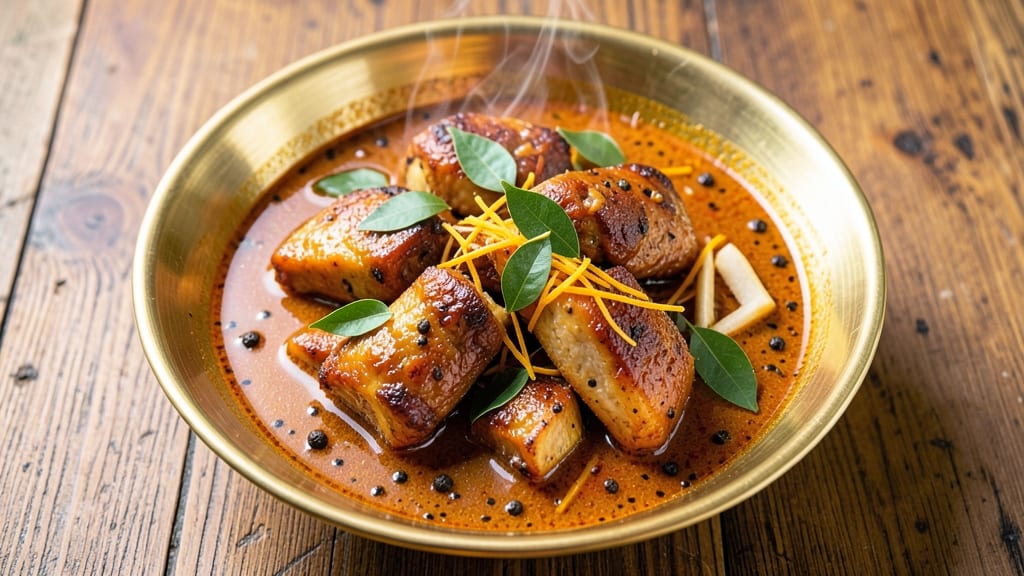
This authentic Chicken Madras curry delivers the fiery, tangy-spicy punch that defines South Indian cuisine—where turmeric, tamarind, and black pepper create a symphony of bold flavors. The secret lies in slow-cooked chicken simmered in a deeply aromatic base of toasted spices and tamarind, transforming tough pieces into melt-in-your-mouth perfection.
I’ve perfected this recipe over years of testing, ensuring every bite captures the restaurant-quality depth you’d expect from a Madras street-side stall.
The magic begins with marinating the chicken in yogurt and a blend of whole spices, allowing the flavors to penetrate deeply before searing. Then comes the curry base: tamarind paste for that signature tang, curry leaves for earthy aroma, and black pepper for heat that builds gradually.
Unlike milder curries, Madras demands balance—where the acidity cuts through richness while spices linger on the palate. This isn’t just a dish; it’s an experience that transports you to the streets of Chennai with every spoonful.
By the time you serve it—steaming over basmati rice or alongside warm naan—you’ll have a curry that’s restaurant-quality and impossible to resist. The sauce thickens just enough to cling to the chicken, while the tamarind’s bright acidity keeps the heat from overwhelming.
For those who prefer milder heat, I’ll show you how to adjust the spice levels without sacrificing authenticity. The result? A dish that’s as impressive as it is delicious, ready to become your go-to for bold, flavorful weeknights.
Whether you’re feeding a family or treating yourself to a taste of India, this recipe delivers authentic Madras curry in one pot—no shortcuts, just deep, layered flavor. Let’s get cooking.
Ingredients for authentic chicken madras curry
These bold, aromatic ingredients transform simple chicken into restaurant-quality Madras curry.
| Ingredient | Amount | Notes |
|---|---|---|
| Boneless Chicken Thighs 🍗 | 1 ½ lb | Cut into 1-inch pieces |
| Plain Yogurt 🥛 | ½ cup | Full-fat preferred |
| Fresh Turmeric Root 🌿 | 1 tbsp | Grated, vibrant color |
| Fresh Ginger Root 🌿 | 1 tbsp | Grated, peeled |
| Tamarind Paste 🍯 | 2 tbsp | Unsweetened, smooth |
| Curry Leaves 🌿 | ¼ cup | Fresh, whole leaves |
| Black Peppercorns 🌶️ | 1 tsp | Crushed, not ground |
| Ground Coriander 🌿 | 1 tbsp | Freshly ground preferred |
| Cumin Seeds 🌿 | 1 tbsp | Toasted lightly |
| Red Chili Powder 🔥 | 1 tbsp | Adjust for heat preference |
| Garam Masala 🌶️ | 1 tsp | Whole spices preferred |
| Tomato Puree 🍅 | ½ cup | No salt added |
| Onion 🧅 | 1 whole | Medium, finely chopped |
| Garlic Cloves 🧄 | 6 cloves | Minced, fresh |
| Extra-Virgin Olive Oil 🫒 | ¼ cup | For cooking |
The turmeric and ginger are non-negotiable for that signature Madras color and depth. Look for fresh roots at Indian markets—they’re more potent than powdered versions. The tamarind paste should be smooth and unsweetened; Trader Joe’s carries a great brand, or check the international aisle at Whole Foods. Curry leaves? Don’t skip them—they’re the soul of South Indian cooking. If you can’t find fresh, dried leaves work at half the amount, but they’re harder to come by. Toast your cumin seeds in a dry pan for 30 seconds before grinding—this unlocks their nutty aroma, which is essential for that authentic Madras flavor. And the yogurt? Full-fat is key here; it balances the heat and adds creaminess without making the sauce too heavy.
No tamarind paste? Lemon juice plus a pinch of sugar gets you close, though it won’t replicate that exact tang. Short on curry leaves? Bay leaves or a pinch of fenugreek seeds add depth in a pinch. The red chili powder can be swapped for fresh red chilies (remove seeds for less heat), but adjust carefully—Madras curry thrives on that slow-building spice. For the tomato puree, canned San Marzano tomatoes blended smooth work perfectly. The onion and garlic should be finely chopped; no need to pulse them in a food processor—hand-chopping releases more flavor. And if you’re worried about the heat level, reduce the red chili powder to 1 teaspoon and add cayenne later if needed.
This curry tastes even better the next day, so make extra—it keeps for 4-5 days in the fridge or 3 months frozen. Store it in an airtight container with a layer of oil on top to preserve the spices. For reheating, simmer gently on the stove with a splash of water or coconut milk to restore richness. The chicken pieces will get even more tender as the flavors meld. I always serve this with steamed basmati rice and warm naan, but it’s just as delicious over roti or with crusty bread to soak up the sauce. Leftovers? Freeze portions in ice cube trays for easy single servings later.
Why You'll Love This Recipe
- Fewer Ingredients, Bigger Payoff: I swear by this curry’s simplicity—just five core ingredients (plus pantry staples) and you’ve got layers of depth. That tamarind paste? It’s the secret weapon for tangy balance without extra prep.
- Tangy-Tangy Magic: The yogurt marinade and fresh turmeric root give it that signature Madras bite, but the ginger? Oh, it’s the warmth that makes your taste buds sit up. Not too sweet, not too spicy—just right.
- Weeknight to Weekend: This curry works for both lazy Tuesday dinners and Sunday family gatherings. Serve it with rice for a quick meal or stretch it into a filling lunchbox with flatbreads—no rules, just flexibility.
- Leftovers That Don’t Let You Down: Between us, this curry actually improves the next day. The flavors meld, the chicken gets even more tender, and it reheats like a dream. Plus, chicken thighs are budget-friendly—so you’re saving money while saving time. Win-win.
Step-by-step instructions for bold turmeric Madras curry
This method delivers restaurant-quality Madras curry with vibrant turmeric color and authentic tamarind tang.
Marinate the Chicken with Turmeric and Tamarind
In a large bowl, combine the 1.5 lb boneless chicken thighs (cut into 1-inch pieces) with the 0.5 cup plain yogurt, 1 tbsp grated fresh turmeric root, 1 tbsp grated fresh ginger root, 2 tbsp tamarind paste, and 1 tsp crushed black peppercorns. Mix thoroughly until every piece of chicken is evenly coated in the marinade.
The turmeric and tamarind work together to create that signature Madras color and sharp, tangy flavor. Let the chicken marinate for at least 30 minutes at room temperature—this ensures the spices penetrate deeply. I like to press the marinade into the meat using my fingers to guarantee even distribution. If you're short on time, a 15-minute marinade still works, but the flavors will be more developed with the full time.
Toast Spices and Build the Base
Heat the 0.25 cup extra-virgin olive oil in a heavy-bottomed pot over medium heat. Add the 1 tbsp cumin seeds and toast for 30 seconds until they release their aromatic fragrance and begin to sizzle. Immediately add the 1 whole finely chopped onion and cook for 5-6 minutes until softened and golden brown.
Next, add the 6 minced garlic cloves and 0.25 cup curry leaves, stirring constantly for 1 minute until the garlic becomes fragrant. This step is crucial—it develops the complex flavor foundation of the curry. If the curry leaves burn, reduce the heat slightly. Now add 1 tbsp ground coriander and 1 tbsp red chili powder, stirring for another 30 seconds to toast the spices and deepen their flavors.
Cook the Chicken Until Golden
Add the marinated chicken pieces to the pot, spreading them out in a single layer. Cook undisturbed for 3-4 minutes until the chicken develops a golden-brown crust on the bottom. This searing step is essential for building flavor—don't rush it. Once the chicken is browned on the bottom, gently stir and cook for another 2-3 minutes until the pieces are evenly colored.
Here's the thing—if the chicken releases easily from the pot, it's ready to move to the next step. If it sticks, add 2 tablespoons of water and let it evaporate before continuing. The goal is to create a deep, caramelized flavor at the bottom of the pot that will later form the rich base of your curry.
Simmer with Tomato and Spices
Pour in the 0.5 cup tomato puree and stir to combine with the chicken and spices. Let the mixture simmer for 5 minutes until the tomato puree breaks down and thickens slightly. This step reduces the acidity from the tamarind and balances the flavors.
Now add 1 cup of water (or enough to just cover the chicken) and bring to a gentle simmer. Partially cover the pot and cook for 20-25 minutes on medium-low heat, stirring occasionally. The chicken should be tender and the sauce should have thickened to a rich consistency. If the sauce reduces too quickly, add 2-3 tablespoons of water to maintain the proper texture.
Finish with Garam Masala and Rest
Once the chicken is fully cooked and tender, stir in the 1 tsp garam masala. Simmer uncovered for 2-3 minutes to allow the spices to bloom and infuse the curry with their warm, aromatic flavors. Taste and adjust the seasoning—you might need to add a pinch more salt if your tamarind paste was unsalted.
Remove the pot from heat and let the curry rest for 5 minutes. This resting period allows the flavors to meld together and the sauce to thicken slightly. Serve the Madras curry hot with steamed basmati rice or crusty naan bread. The dish should have a vibrant yellow-orange color from the turmeric, a tangy depth from the tamarind, and a perfect balance of heat from the chili powder and garam masala.
Pro Tips For Making Authentic Chicken Madras Curry
- Marinate Overnight: I learned this the hard way—skipping the overnight soak means the yogurt barely clings to the chicken, and the tamarind’s tang never penetrates. Use 1 cup yogurt, 2 tablespoons tamarind paste, and 1 teaspoon turmeric, then let it sit in the fridge. The chicken absorbs flavor like a sponge, and the acidity tenderizes properly.
- Grate, Don’t Mince: Fresh ginger and turmeric should be grated, not minced—it releases more oils and aroma. Use a microplane for ginger (about 2 tablespoons) and a box grater for turmeric (1-inch root). Mincing leaves you with dry, bitter bits that won’t blend smoothly into the sauce.
- Simmer, Don’t Boil: After browning the chicken, keep the heat at a gentle simmer—any higher and the yogurt will curdle before the tamarind’s acidity can mellow. Add 1 cup water, then adjust to low-medium. If it’s bubbling hard, you’re cooking off the yogurt’s creaminess, and your sauce will split.
- Toast the Spices Dry: Bloom your whole spices (cumin, coriander, black pepper) in oil for 30 seconds before adding wet ingredients. This step isn’t just for aroma—it prevents a raw, bitter aftertaste in the final curry. Skip it, and the spices will fight for dominance instead of harmonizing.
Best sauces and condiments for this dish
Tamarind Chutney
This tangy-sweet chutney is the secret weapon that elevates Madras curry to restaurant-level depth. I blend ½ cup tamarind paste, ¼ cup water, 1 tbsp jaggery (or brown sugar), 1 tsp cumin seeds, and 2 tbsp coconut oil in a blender until smooth.
Simmer for 5 minutes to develop the flavors, then strain for a silky texture. Drizzle 1 tbsp over finished curry to brighten the tamarind's natural acidity without overpowering the spices. 💫
Coconut Milk Finish
For a creamy, balanced curry, stir in ¼ cup coconut milk during the final 5 minutes of simmering. This softens the heat while adding richness—perfect if your curry feels too sharp.
I use full-fat canned coconut milk (like Thai Kitchen brand) for the best texture. For extra decadence, top with a swirl of coconut cream and toasted cashews before serving.
Yogurt Drizzle
A dollop of thick Greek yogurt mixed with ½ tsp roasted cumin powder and pinch of salt creates a cooling contrast to the spicy curry. Spoon it directly over the dish or serve it on the side for dipping.
This trick comes from my time in Chennai, where street vendors always offered yogurt to balance the heat. Use full-fat yogurt for the best mouthfeel.
Lemon-Garlic Oil
Infuse ¼ cup olive oil with 2 tbsp lemon juice, 3 minced garlic cloves, and ½ tsp red chili flakes by heating gently for 2 minutes. Drizzle 1 tbsp over the curry just before serving to add a bright, zesty finish.
This oil enhances the tamarind's tang while cutting through the richness of the coconut milk if used.
Pickled Onions
Quick-pickle ½ cup thinly sliced red onions in ¼ cup white vinegar, 1 tbsp sugar, and ½ tsp mustard seeds for 15 minutes. The crisp, tangy onions add a refreshing crunch that cuts through the curry's richness.
I like to scatter them over the dish just before serving to preserve their texture. For extra authenticity, use raw mango powder instead of sugar in the pickling liquid.
Fresh Herb Garnish
Chop 2 tbsp fresh cilantro and 1 tbsp mint leaves finely, then toss with 1 tsp lemon juice and ¼ tsp salt. Sprinkle generously over the curry right before serving to add a fresh, aromatic finish.
The herbs brighten the dish and provide a visual pop of green against the vibrant yellow-orange sauce. For a stronger flavor, lightly bruise the herbs before chopping to release their oils. ✨
Nutrition facts
Frequently asked questions
Why does authentic Madras curry have such a tangy flavor?
The signature tang comes from tamarind paste, which balances the heat and adds depth. Unlike other curries that use tomatoes or yogurt for acidity, Madras relies on tamarind's complex sour-sweet profile. The 2 tbsp in this recipe creates that signature punch while keeping the sauce vibrant.
Can I substitute tamarind paste with something else?
Yes! For ½ cup tamarind paste, mix ¼ cup lemon juice with 1 tsp sugar to mimic the tang. Or use ¼ cup vinegar (apple cider works best) plus 1 tsp jaggery. For authentic results, though, tamarind is non-negotiable—it's the heart of Madras curry.
How do I adjust the heat level in this curry?
Start with the 1 tbsp red chili powder in the recipe. For milder heat, reduce to ½ tsp and add ¼ tsp cayenne later if needed. For extra spice, increase to 1.5 tbsp chili powder and add 1 tsp Kashmiri chili powder for color without overwhelming heat. Always taste as you go!
What's the best way to store leftovers?
Let the curry cool completely, then store in an airtight container with a layer of oil on top to preserve spices. It keeps for 4-5 days in the fridge or 3 months frozen. For reheating, simmer gently on low heat with 2 tbsp water—never microwave, as it dulls the flavors. The chicken gets even more tender overnight!
Can I make this curry in an Instant Pot?
Yes! Sauté the spices as directed, then add all ingredients except garam masala. Cook on high pressure for 8 minutes, followed by a 5-minute natural release. Stir in garam masala and simmer for 2 minutes to bloom the spices. The Instant Pot version is faster but slightly less rich—adjust water to ¾ cup for a thicker sauce.