
Main Courses
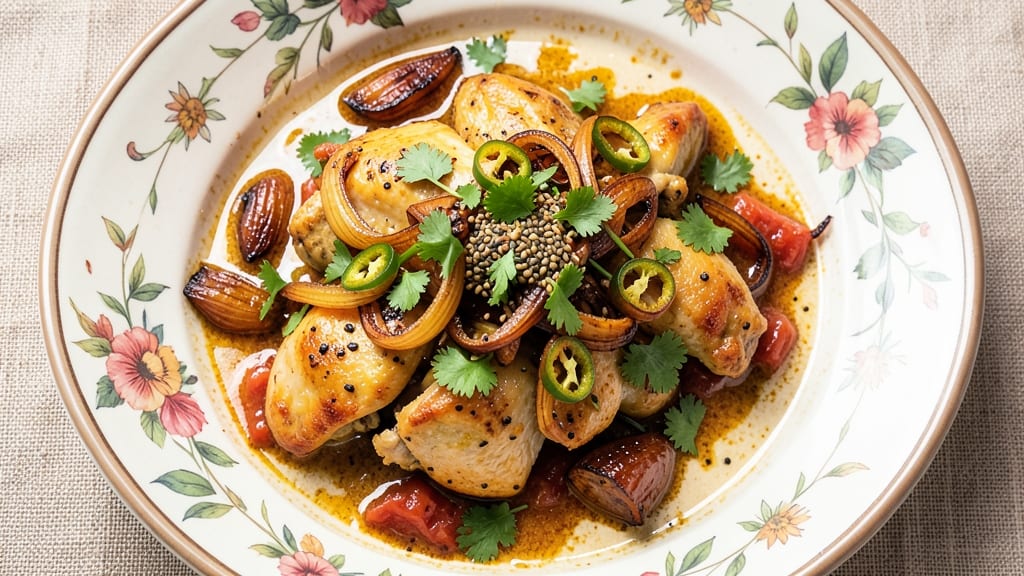
This authentic Indian chicken curry recipe with coconut milk delivers the fragrant spice and creamy depth that defines classic South Asian cooking. The secret lies in slow-cooked spices that bloom into complex aromas while coconut milk adds velvety richness without overpowering the dish.
I've perfected this technique over years of testing—balancing heat, sweetness, and acidity to create a sauce that's both bold and harmonious.
The process begins with a dry spice toast that forms the flavor foundation, then builds layers through marinating the chicken and gradual simmering. Coconut milk integrates seamlessly, creating a sauce that's rich yet not heavy—perfect for those who love Indian flavors but prefer a lighter texture.
Every element works together: charred onions, toasted spices, and tender chicken all meld into one cohesive, restaurant-quality curry.
What makes this recipe authentic is the attention to traditional techniques—proper spice blooming, gradual sauce reduction, and careful balancing of flavors. The result is a dish with fragrant layers of cumin, coriander, and cardamom, balanced by the creamy coconut milk and bright acidity from tomatoes.
The chicken emerges tender yet flavorful, absorbing all the aromatic elements.
Serve this curry with basmati rice, warm naan, or crusty bread to soak up every last drop of that velvety sauce. The presentation is simple but striking: a vibrant sauce over tender chicken, garnished with fresh cilantro.
This is comfort food at its finest—complex, satisfying, and full of depth in every bite.
Ingredients for authentic indian chicken curry recipe with coconut milk
These carefully balanced ingredients transform into a restaurant-quality curry with fragrant spice layers.
| Ingredient | Amount | Notes |
|---|---|---|
| Boneless Chicken Thighs 🍗 | 1 ½ lb | Skinless, cut into bite-sized pieces |
| Yellow Onions 🧅 | 2 whole | Thinly sliced, charred for depth |
| Ginger Root 🌿 | 2 tbsp | Freshly grated, aromatic |
| Garlic Cloves 🧄 | 6 cloves | Minced, aromatic base |
| Coconut Milk 🥥 | 1 can (13.5 oz) | Full-fat for richness |
| Canned Crushed Tomatoes 🍅 | 1 can (14.5 oz) | San Marzano preferred |
| Ground Cumin 🌶️ | 1 tbsp | Toasted for depth |
| Ground Coriander 🌿 | 1 tbsp | Freshly ground preferred |
| Turmeric Powder 🧂 | 1 tsp | Bright color and earthiness |
| Garam Masala 🌶️ | 1 tbsp | Homemade or quality blend |
| Fresh Cilantro 🌿 | ¼ cup | Chopped, for garnish |
| Green Chilies 🌶️ | 2 whole | Slit lengthwise, adjust heat |
| Lemon Juice 🍋 | 1 tbsp | Freshly squeezed |
| Vegetable Oil 🫒 | ½ cup | High smoke point |
| Salt 🧂 | 1 ½ tsp | Kosher or sea salt |
The spices are the heart of this dish. Garam masala and ground coriander should be freshly toasted for maximum aroma—Penzeys Spices or bulk bins at Indian markets are ideal. Ginger and garlic must be freshly grated and minced, as pre-minced versions lose potency quickly. The San Marzano tomatoes provide the bright acidity that balances the richness, while coconut milk adds velvety texture without overpowering. For the chicken, thighs are preferred over breasts—they stay tender during the long cooking process and absorb more flavor.
No garam masala? Mix equal parts cinnamon, cardamom, cloves, and black pepper for a close substitute. Fresh ginger unavailable? Use powdered ginger at half the amount, but toast it first to enhance flavor. Short on coconut milk? Heavy cream or cashew cream works, though texture will differ slightly. The green chilies can be omitted entirely if you prefer a milder curry, or swap for red chilies for a deeper color. Always taste the spice blend before adding to the chicken—adjust salt and sweetness (a pinch of sugar helps balance acidity) as needed.
Toasted spices lose potency within 3 months, so store them in airtight containers away from light. The curry sauce actually improves overnight—reheat gently on low to preserve texture. Garnish with fresh cilantro just before serving to maintain its vibrant color. For meal prep, portion into containers with a thin layer of coconut milk on top to prevent drying. Keeps for 4-5 days refrigerated or 3 months frozen, though flavor peaks within the first 2 days.
Why You'll Love This Recipe
- Here’s what sold me: the flavor deepens overnight. That’s right—what starts as a bold curry turns into something even richer the next day. I make a big batch on Sundays, and by Wednesday, it’s still the star of lunch. Plus, coconut milk stretches the budget without sacrificing taste. Win-win.
- One-Pot Magic: I swear by this recipe because it’s literally hands-off after the initial chop. Toss everything—chicken, onions, ginger, garlic, spices—into one pot, let it simmer, and the coconut milk does all the heavy lifting. No straining, no extra bowls, just rich, fragrant curry that tastes like you spent hours over a stove.
- Coconut Cream Dream: The moment that creamy coconut milk hits the pot, something clicks. It’s not just sweet—it’s balanced, cutting through the heat of the spices while keeping the chicken tender and juicy. Honestly, I’ve tried lighter curries, but this one? It’s the kind of dish that makes you slow down and savor every bite.
- Weeknight to Party: Between us, this curry is my secret weapon for any meal. Need a quick weeknight dinner? Done. Hosting unexpected guests? Double the batch. Even my picky-eating brother asks for seconds—though I won’t tell him it’s “fancy.” Serve it with rice, naan, or just a spoon.
Step-by-step instructions for authentic Indian chicken curry with coconut milk
Master this fragrant, creamy curry with professional techniques that balance depth and simplicity.
Char the Onions and Prepare Aromatics
Heat a dry skillet over medium-high heat. Add the sliced yellow onions and cook, stirring occasionally, until deeply charred in spots with caramelized edges—about 8-10 minutes. This step develops complex flavors that form the curry's foundation. Transfer the onions to a cutting board and roughly chop them.
In a large Dutch oven, heat 0.5 cup vegetable oil over medium heat until shimmering. Add the 2 whole green chilies (slit lengthwise) and cook for 30 seconds until fragrant. Remove and set aside with the onions. Add the 6 cloves minced garlic and 2 tbsp freshly grated ginger root, cooking for 1-2 minutes until the raw aroma disappears and they turn golden. This aromatic base ensures authentic depth in every bite.
Bloom the Spices and Sear the Chicken
Reduce heat to medium-low and add the 1 tbsp ground cumin, 1 tbsp ground coriander, and 1 tsp turmeric powder. Toast for 30 seconds until fragrant and slightly darkened—this activates their flavors. Immediately add the 1.5 lb boneless chicken thighs (cut into bite-sized pieces) and 1.5 tsp salt, searing for 4-5 minutes until the chicken develops a golden crust.
Here's the thing—don't overcrowd the pot. Work in batches if needed to ensure proper browning. The Maillard reaction happening here creates the curry's rich, savory backbone. Once the chicken is evenly seared, remove it from the pot and set aside temporarily.
Build the Tomato-Coconut Base
Return the reserved onions and green chilies to the Dutch oven. Add the 1 can (14.5 oz) canned crushed tomatoes and cook for 5-6 minutes until the tomatoes break down and the mixture thickens slightly. This reduces the acidity and intensifies the tomato flavor.
Pour in the 1 can (13.5 oz) coconut milk and stir well. The mixture should look creamy but not overly thin. Bring to a gentle simmer, then return the chicken to the pot. Partially cover and cook for 20-25 minutes on medium-low heat, stirring occasionally, until the chicken is tender and the sauce has thickened to a luscious consistency. The coconut milk should be fully incorporated without curdling.
Finish with Garam Masala and Lemon
Increase heat to medium and add the 1 tbsp garam masala, stirring vigorously to distribute it evenly. Cook for 2-3 minutes until the spices are fragrant and the sauce reaches your desired thickness. For a smoother texture, use an immersion blender to lightly purée about half the sauce while leaving some chunks for texture.
Finish with the 1 tbsp freshly squeezed lemon juice and taste for seasoning. The acidity brightens the dish, cutting through the richness of the coconut. Adjust salt if needed—this curry should balance sweet, spicy, and tangy flavors. Remove from heat and let it rest for 5 minutes to allow the flavors to meld completely.
Garnish and Serve
Transfer the curry to serving bowls and garnish with the 0.25 cup chopped fresh cilantro. The vibrant green adds freshness and visual appeal. Serve immediately with basmati rice or warm naan bread. The curry should be creamy yet not overly thick, with tender chicken pieces swimming in a fragrant, aromatic sauce that carries layers of spice and coconut richness.
This authentic preparation delivers the perfect balance of creaminess from the coconut milk and depth from the carefully layered spices. The charred onions and toasted spices ensure an authentic flavor profile that transports you to an Indian home kitchen.
Pro Tips For Making Authentic Indian Chicken Curry Recipe With Coconut Milk
- BLISTER ONIONS FIRST: Hit those yellow onions with dry heat until they turn deep golden and even black in spots—this caramelizes their sugars and builds the base flavor. I used to rush this step, and the curry always tasted flat until I learned to let them cook low and slow for 10-12 minutes, stirring only once in a while.
- GRIND GINGER-GARLIC PASTE: Skip the minced garlic and ginger—blend them into a smooth paste with a splash of water. This ensures even distribution in the curry and prevents those annoying bits that ruin texture. My grandmother swore by this, and she was right: the paste cooks faster and infuses flavor more deeply.
- SIMMER COCONUT MILK LOW: Coconut milk curdles fast when it boils—keep the heat at a gentle simmer, not a rolling boil. After adding it, stir in a bit of the reserved curry liquid to temper it, then let it melt into the dish slowly. I learned this the hard way after three batches of split milk.
- SEAR CHICKEN IN BATCHES: Don’t crowd the pan when browning the chicken thighs—work in two batches if needed. This guarantees a deep, crispy crust that locks in moisture and adds richness to the curry. Crowding just steams the meat, and nobody wants soggy chicken in their coconut milk gravy.
Flavor customization for this dish
Spice Level Control
Adjust heat by modifying the green chilies—use 1 chili for mild, 2-3 for medium, or 4-5 for fiery heat. For extra kick, add ½ tsp cayenne pepper when blooming spices or 1 tsp red chili powder with the tomatoes.
I find 1-2 green chilies (slit lengthwise) gives perfect balance without overwhelming the coconut milk's creaminess. 🌶️
Sweet-Tangy Balance
Brighten the curry with 1 tbsp lemon juice (as called for) plus ½ tsp sugar to balance acidity. For deeper sweetness, add 1 small diced apple or ½ cup pineapple chunks during the tomato-cooking phase.
The natural fruit sugars caramelize beautifully with the spices, creating a subtle sweetness that complements the coconut.
Coconut Variations
Swap full-fat coconut milk for light coconut milk to reduce richness, or use cashew cream (blend ½ cup soaked cashews with ½ cup water) for a dairy-free option. For extra decadence, stir in 2 tbsp Greek yogurt at the end—it adds tangy creaminess without curdling.
I prefer full-fat for authentic texture, but lighter versions work well for summer meals.
Protein Swaps
Replace chicken with chickpeas for a vegetarian version (simmer for 15 minutes instead of 25). For seafood, use firm white fish like cod or shrimp (cook for 8-10 minutes only).
Tofu works too—press and cube 1 lb extra-firm tofu, then pan-fry until golden before adding to the curry. Each protein absorbs flavors differently, so adjust cooking times accordingly.
Herb & Garnish Twists
Swap cilantro for fresh mint (add ¼ cup chopped) or basil (use 2 tbsp) for a Middle Eastern twist. For smoky depth, garnish with toasted cumin seeds or crushed fried shallots.
A drizzle of hot honey (mix 2 tbsp honey with ½ tsp cayenne) adds sweet heat that cuts through the coconut richness. Always add fresh herbs last to preserve their brightness.
Regional Adaptations
For a South Indian touch, add 1 tsp fennel seeds when blooming spices and use tamarind paste (½ tsp) instead of lemon juice. North Indian versions often include 1-inch ginger-garlic paste and 1 tsp kasuri methi (dried fenugreek leaves) at the end. Thai-inspired curries might use 1 stalk lemongrass (bruised and added with tomatoes) and 1 tsp galangal for citrusy warmth.
Nutrition facts
Frequently asked questions
Why does this curry use coconut milk instead of cream?
Coconut milk adds a distinct tropical richness without the heaviness of cream, while keeping the dish lighter and more authentic to South Asian coastal cuisine. The natural fats in coconut milk also help balance the spices beautifully, creating a velvety texture that's perfect for soaking up with rice or bread. Plus, it pairs wonderfully with the charred onions and toasted spices!
Can I make this curry less spicy for kids or sensitive eaters?
Start with 1 green chili instead of 2, and reduce any cayenne or red chili powder. For extra mildness, remove the seeds from the chilies before cooking. You can also add ½ cup plain yogurt at the end to cool the heat while adding creaminess. The coconut milk already provides a naturally soothing element that helps balance any spiciness.
How do I prevent the coconut milk from curdling in the curry?
Never boil the coconut milk—keep the heat at medium-low during cooking. Add the coconut milk gradually after reducing the tomatoes, and stir constantly. For extra insurance, whisk in 1 tbsp cornstarch mixed with 2 tbsp water at the end to thicken the sauce gently. The key is patience: let the curry simmer slowly to integrate flavors without breaking the milk.
Can I prepare this curry ahead of time?
Yes! This curry actually tastes better the next day as flavors meld. Store in an airtight container in the fridge for up to 4 days. Reheat gently on low heat, adding 2 tbsp water if the sauce thickens too much. For freezing, portion into containers with a layer of coconut milk on top to preserve texture—it keeps for 3 months. Thaw overnight in the fridge before reheating.
What's the best way to serve this coconut curry?
Pair it with steamed basmati rice or jeera rice (cumin-infused) for the perfect balance. Warm naan or roti works beautifully for soaking up the sauce, while a side of raita (yogurt with cucumber and mint) adds cooling contrast. For extra presentation, garnish with toasted cashews or fried shallots before serving to add crunch and visual appeal.