
Main Courses
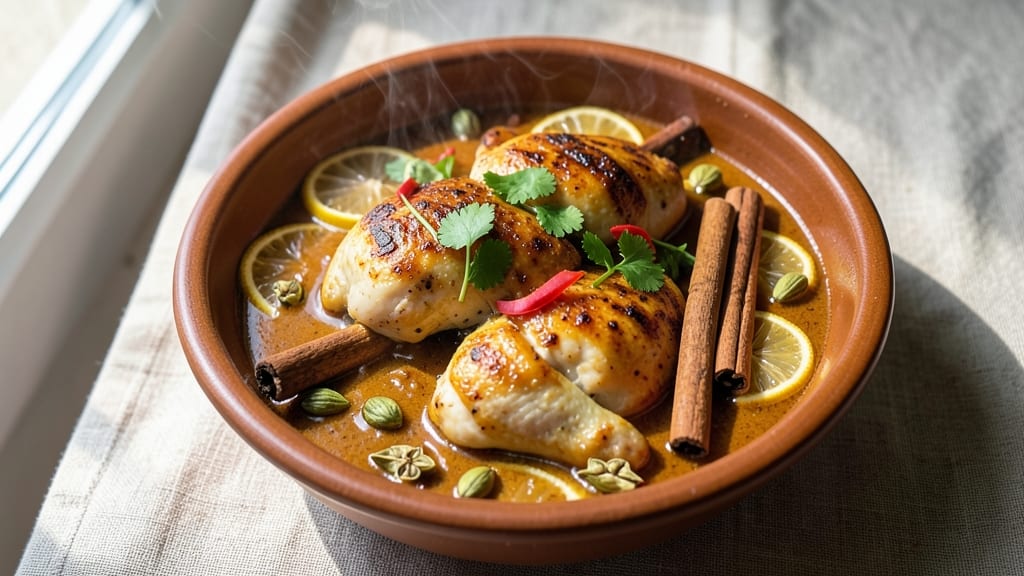
Award-winning chicken curry isn't just about spices—it's about layering flavors so deeply they linger long after the last bite. I spent years perfecting this one-pot recipe, inspired by my grandmother's handwritten notes and countless kitchen experiments. The secret? A slow-marinated chicken base, carefully toasted whole spices, and a coconut-turmeric sauce that builds complexity with every minute of simmering.
What sets this curry apart is the balance—rich yet bright, tender yet flavorful, with a sauce that's velvety without being heavy. The chicken stays juicy thanks to a 30-minute marinade in yogurt and citrus, while the spices develop their full aroma from proper toasting.
This isn't just another curry; it's the kind that wins awards because it delivers restaurant-quality depth at home.
By the time you serve it, you'll have golden-brown chicken swimming in a sauce that's fragrant with ginger, garlicky from the aromatics, and perfectly spiced—not too hot, not too mild.
The texture is where it truly shines: crisp edges on the chicken, creamy sauce that clings to every bite, and a finish that's both warming and satisfying.
Serve it with basmati rice and warm naan to soak up every last drop of that award-winning sauce. The recipe delivers professional results without requiring professional skills—just patience and attention to the techniques that make all the difference. Let's get cooking.
Ingredients for award winning chicken curry
Award-winning curry starts with these carefully chosen ingredients—each playing its part in that perfect balance of spice and warmth.
| Ingredient | Amount | Notes |
|---|---|---|
| Boneless Chicken Thighs 🍗 | 1 ½ lb | Skin-on preferred for flavor |
| Plain Yogurt 🥛 | ½ cup | Full-fat for creaminess |
| Lemon Juice 🍋 | 2 tbsp | Freshly squeezed |
| Whole Cinnamon Sticks 🌿 | 2 pieces | For toasting aroma |
| Cardamom Pods 🌶️ | 4 whole | Lightly crushed |
| Green Cardamom Pods 🌿 | 4 whole | Optional for depth |
| Black Cardamom Pods 🌶️ | 2 whole | Smoky complexity |
| Ground Turmeric 🌿 | 1 tbsp | Freshly ground preferred |
| Ground Cumin 🌶️ | 1 tbsp | Toasted for depth |
| Medium Tomatoes 🍅 | 2 whole | Ripe but firm |
| Yellow Onion 🧅 | 1 whole | Medium size |
| Fresh Ginger 🧄 | 2 inches | Peeled, roughly chopped |
| Garlic Cloves 🧄 | 8 cloves | Peeled, whole |
| Coconut Milk 🥥 | 1 can | Full-fat, 13.5 oz |
| Water 💧 | 1 cup | Room temperature |
| Salt 🧂 | 1 tsp | Kosher or sea salt |
| Ground Black Pepper 🌶️ | ½ tsp | Freshly ground |
| Ghee 🫒 | 2 tbsp | For toasting spices |
| Fresh Cilantro 🌿 | ¼ cup | Chopped for garnish |
The chicken thighs are non-negotiable here—skin-on for flavor, bone-in for richness. Trader Joe's or Whole Foods carry the best quality, but any grocery store's fresh cut will work. Look for thighs with good marbling; that's where the flavor hides. The yogurt should be plain and full-fat—Fage or Siggi's are my go-tos, but any thick Greek yogurt does the trick. For the spices, Penzeys or bulk bins at Indian markets are ideal, but the grocery store's ground spices work in a pinch. Just make sure they're fresh—no dusty jars here.
No fresh ginger? Powdered works at half the amount, but you'll lose that bright, zesty kick. Swap tomatoes for 1 cup tomato sauce if you're short on time, but fresh is always better. The coconut milk can be light, but full-fat delivers that velvety texture you want in an award-winning curry. For the cardamom pods, if you can't find them, 1 tsp ground cardamom is a decent stand-in, though it won't have the same complexity. The ghee is worth the splurge—Gujarat brand from Indian stores is the gold standard, but any high-quality ghee will do.
This curry tastes even better the next day as the flavors meld. Store leftovers in an airtight container in the fridge for up to 5 days, or freeze for 3 months. The sauce thickens as it cools, so add a splash of water or coconut milk when reheating. I always make double batches—one for dinner, one for lunches. The spices keep their punch for 6 months in a sealed jar, so buy extra if you love curry. Fresh cilantro wilts fast, so store it wrapped in damp paper towels in a plastic bag.
Why You'll Love This Recipe
- Foolproof Marination: The yogurt and lemon juice tenderize those chicken thighs in minutes—no fancy prep, just toss and let sit. Honestly, I’ve tried marinating for hours with other recipes, but this does the job while I’m still deciding what to watch on TV.
- Warm Spice Magic: That first whiff of cinnamon sticks and cardamom pods hitting the pan? Chef’s kiss. The slow simmer lets those whole spices infuse the curry with depth—rich, aromatic, and way more complex than pre-mixed spice blends. (Yes, even on a Tuesday night.)
- Meal Prep MVP: Doubles easily, reheats beautifully, and keeps its flavor for days. I make a big batch on Sundays—some for lunch, some for dinner, and the leftovers? Perfect for lazy nights when I just want to open the fridge and eat well.
- Budget-Friendly Luxury: Chicken thighs are forgiving and affordable, and the spices are pantry staples. Between us, this curry costs half what takeout does, but tastes like you slaved over it. My wallet and taste buds agree.
Step-by-step instructions for award-winning chicken curry
This fragrant coconut-turmeric curry delivers restaurant-quality depth in a single pot.
Marinate the Chicken for Maximum Flavor
In a large mixing bowl, combine the 1.5 lb boneless chicken thighs with the 0.5 cup plain yogurt, 2 tbsp lemon juice, 1 tbsp ground turmeric, 1 tbsp ground cumin, 1 tsp salt, and 0.5 tsp ground black pepper. Use your hands to coat each piece thoroughly—this ensures even flavor distribution and tender meat. Cover and refrigerate for at least 2 hours (overnight works best), allowing the yogurt to tenderize and the spices to penetrate deeply.
The yogurt marinade not only infuses flavor but also helps prevent the chicken from drying out during the long simmer. If using skin-on thighs, leave the skin intact for extra richness, but remove it before cooking if you prefer. Here's the thing—don't skip this step. The longer the marinade sits, the more complex and aromatic your curry will become.
Toast Whole Spices and Build the Aromatic Base
Heat a large, heavy-bottomed pot over medium heat and add the 2 tbsp ghee. Once the ghee is shimmering (about 1 minute), add the 2 pieces whole cinnamon sticks, 4 whole cardamom pods, 4 whole green cardamom pods, and 2 whole black cardamom pods. Toast for 1-2 minutes until the spices release their fragrance and you hear a gentle popping sound—this is your signal that they're ready.
Remove the spices with a slotted spoon and set aside. In the same pot, add the 1 whole yellow onion (chopped into ½-inch pieces), 2 inches fresh ginger (peeled and sliced), and 8 cloves garlic (peeled). Cook for 5-6 minutes until the onions soften and turn golden brown. This step is crucial—it develops the foundation of your curry's flavor profile. If the onions start to stick, add a splash of water to deglaze and scrape up those flavorful browned bits from the bottom of the pot.
Cook the Tomatoes and Add the Marinated Chicken
Add the 2 whole medium tomatoes (chopped into ½-inch pieces) to the pot and cook for 5-6 minutes until they soften and break down into a thick paste. This process intensifies their natural sweetness and removes excess acidity. Stir in the marinated chicken, including any accumulated juices from the bowl, and cook for an additional 3-4 minutes until the chicken develops a light golden crust on all sides.
Here's where it gets good—you'll see the spices from the marinade begin to caramelize slightly on the chicken. This step ensures the chicken cooks evenly and absorbs all those aromatic flavors. If the chicken releases too much liquid, reduce heat to medium-low to prevent steaming instead of searing. The goal is to create a beautiful crust that locks in juices while building layer upon layer of flavor.
Simmer in Coconut Milk for Rich, Velvety Texture
Pour in the 1 can coconut milk and 1 cup water, stirring well to combine. Return the reserved whole spices to the pot (they'll infuse additional flavor as they simmer). Bring the mixture to a gentle boil, then reduce heat to low and cover partially. Let it simmer for 30-35 minutes, stirring occasionally, until the chicken is fork-tender and the sauce has thickened to a luxurious consistency.
Real talk: This is the moment that matters. The coconut milk will break down slightly, creating a velvety sauce that coats the chicken perfectly. If the sauce reduces too quickly, add a splash of water or coconut milk to maintain the ideal consistency. You'll know it's ready when the chicken shreds easily with a fork and the sauce clings to it beautifully. The aroma alone should have your mouth watering—this is where all the hard work pays off.
Finish and Garnish for Restaurant-Quality Presentation
Once the chicken is perfectly tender, remove the pot from heat and stir in the 0.25 cup fresh cilantro. Taste and adjust seasoning with additional salt or pepper if needed. Let the curry rest for 5 minutes off the heat—this allows the flavors to meld completely and the sauce to thicken slightly. Serve immediately with steamed basmati rice or warm naan bread to soak up every last bit of that fragrant, velvety sauce.
The final presentation should be vibrant and inviting. The curry should have a rich, golden color with visible pieces of chicken swimming in a glossy sauce. Each bite should deliver a perfect balance of smoky, spicy, and creamy flavors with the tender chicken at its heart. Trust me, this is the kind of curry that will have everyone asking for seconds—and maybe even thirds.
Pro Tips For Making Award Winning Chicken Curry
- CUT THOSE THIGHS FIRST: Pat the chicken thighs bone-dry before marinating—no wet spots. I learned this the hard way when my curry turned out mushy because the yogurt marinade just slid off. Use paper towels, not your apron, and give them a good rub with salt so they absorb the yogurt properly.
- CRACK THE CARDAMOM: Lightly crush the cardamom pods with the side of your knife before adding them to the pot. Whole pods release flavor slowly, but a few quick taps let the aromatic oils infuse faster—especially if you’re impatient like me. Skip this, and your curry will taste like it’s missing something.
- LOW AND SLOW AFTER SEARING: Once the chicken hits the pot, reduce heat to medium-low immediately after the initial sear. High heat after adding liquid turns curry watery. I used to rush this, and my curry would simmer down into a sad, thin sauce. Cover and let it bubble gently—patience here makes all the difference.
- LEMON JUICE LAST: Add the lemon juice right before serving, not during cooking. The acid breaks down the yogurt’s proteins prematurely, making your curry split and turn grainy. Save it for the final splash—your future self will notice the brighter, creamier texture. (Yes, even if you’re eager to taste-test.)
Make-ahead tips for leftovers
Prep Ahead
Marinate the chicken the night before—this is where the magic happens. I always do this while prepping dinner for the next day. Store the marinated chicken in an airtight container in the fridge, and the spices will infuse beautifully overnight.
The longer it marinates, the more tender and flavorful the chicken becomes. Trust me, this is a game-changer for busy weeknights. 💫
Sauce Prep
Toast your whole spices and chop your onions, ginger, and garlic ahead of time. Store them in separate airtight containers in the fridge for up to 3 days. This makes the actual cooking day so much easier—just toss everything into the pot when you're ready.
I keep a small cutting board just for this purpose, and it saves me 20 minutes of prep time during the week. 🌶️
Slow Cooker Option
For an even hands-off approach, use a 6-quart slow cooker. After toasting your spices and building the aromatic base, transfer everything to the slow cooker, add the coconut milk and water, then cook on low for 4-5 hours.
The chicken will be fork-tender, and the sauce will have that perfect velvety texture. Just stir in the cilantro at the end. This method is ideal if you're working from home or have a packed schedule. ⏰
Freezer-Friendly
This curry freezes beautifully for up to 3 months. After cooking, let it cool completely, then portion it into airtight containers or freezer bags.
When reheating, thaw overnight in the fridge, then warm on the stovetop over medium-low heat for 10-15 minutes, adding a splash of water or coconut milk if needed. The flavors actually deepen after freezing, making it even more delicious when you're craving comfort food. 🥶
Reheating Like a Pro
Never microwave this curry—it ruins the texture. Instead, reheat it on the stovetop in a heavy-bottomed pot over medium-low heat. Stir occasionally and add a splash of water or coconut milk if the sauce thickens too much.
If reheating from frozen, add an extra 5-10 minutes to ensure everything warms through evenly. The result? A curry that tastes just as good as it did the first time. 🔥
Leftovers Strategy
Double the batch and store half for leftovers—you won’t regret it. I always make enough for two meals because this curry tastes even better the next day as the flavors meld.
Store leftovers in the fridge for up to 5 days, and they’re perfect for quick lunches or a cozy dinner. The sauce thickens slightly, so just add a splash of water or coconut milk when reheating to restore the perfect consistency. 💛
Nutrition facts
Frequently asked questions
Why does this curry taste better the next day?
The flavors develop and meld more completely after resting. The spices continue to infuse into the chicken and sauce overnight, creating deeper complexity. Plus, the sauce thickens slightly, intensifying that rich, velvety texture. It's like letting a fine wine breathe—just for food!
Can I use chicken breast instead of thighs?
You can, but thighs work better for this recipe. Chicken breast cooks faster and can dry out during the long simmer. If you must use breast, cut them into 1-inch pieces and reduce the simmering time to 20 minutes after adding coconut milk. Also, skip the yogurt marinade or reduce it to 1 hour max to avoid toughness.
How do I adjust the spice level?
Start with the recipe as written for a balanced, aromatic heat. For milder flavor, reduce black cardamom to 1 pod and skip green cardamom. For extra spice, add ½ tsp cayenne pepper with the marinade or 1 tsp red chili powder when cooking tomatoes. Always taste before serving!
What's the best way to reheat leftovers?
Never microwave—it makes the sauce watery. Instead, reheat on the stovetop over medium-low heat for 8-10 minutes, stirring occasionally. Add 1-2 tbsp water or coconut milk if the sauce thickens too much. For frozen curry, thaw overnight first, then reheat with extra 5 minutes of gentle cooking.
Can I make this curry in an Instant Pot?
Follow the same steps until adding coconut milk. Then, pressure cook on high for 12 minutes, followed by a 10-minute natural release. The chicken will be perfectly tender with a velvety sauce. Just add cilantro at the end. Quick and foolproof for busy weeknights!