
Main Courses
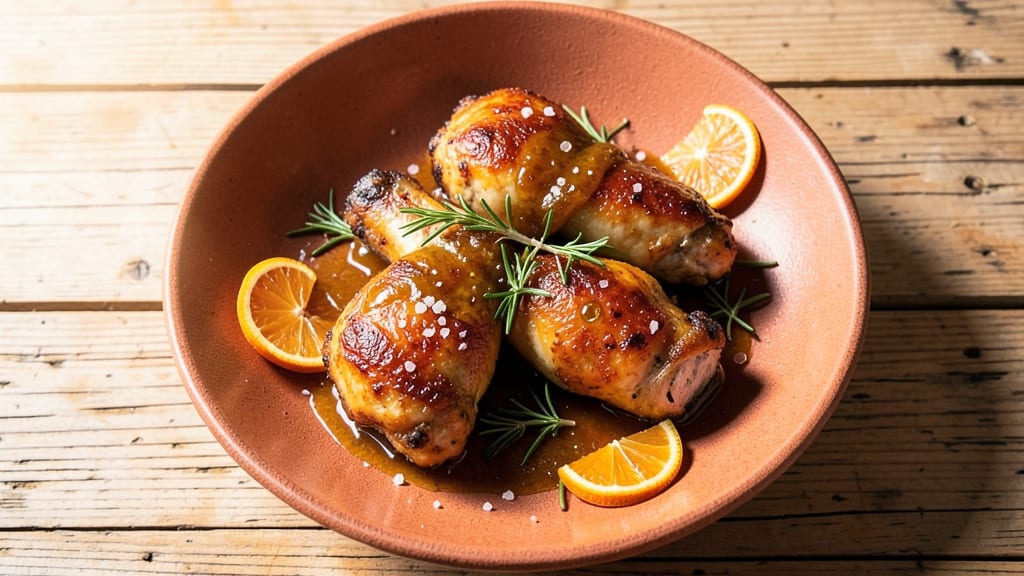
This baked Catalina chicken thighs recipe delivers a restaurant-quality meal with crispy parmesan crust and bright citrus notes that transform simple weeknight dinner into something special.
The secret lies in marinating the thighs overnight in a tangy blend of orange juice, garlic, and herbs before coating them in a crispy parmesan crust that bakes to golden perfection.
I developed this technique while perfecting my approach to balancing rich, savory flavors with bright acidity—something I first mastered during my apprenticeship in Charleston.
The beauty of this method is how it transforms tough chicken thighs into melt-in-your-mouth bites with a satisfying crunch. You'll start with bone-in thighs for maximum flavor, then marinate them in a citrus-garlic blend that tenderizes the meat while infusing it with aromatic depth.
The parmesan crust isn't just for decoration—it creates that coveted crispy exterior that holds up beautifully when served, while the citrus marinade keeps the meat juicy and flavorful throughout.
What you'll end up with is a dish that's impressive enough for company but simple enough for weeknights—juicy chicken thighs with a shatteringly crisp parmesan crust and bright citrus undertones that cut through the richness.
The technique is foolproof once you nail the marinating time and baking temperature, and the results are worth every minute of preparation. This is the kind of recipe that makes you want to cook dinner more often.
Serve with roasted vegetables or a fresh citrus salad to complement the flavors, and save the leftovers for sandwiches the next day. The crispy crust stays intact even when reheated, making this an excellent make-ahead option for busy schedules.
Let's get started with this crowd-pleasing dish that delivers restaurant-quality results at home.
Ingredients for baked catalina chicken thighs
Juicy citrus marinade meets crispy parmesan crust—this is the perfect balance for restaurant-quality chicken thighs at home.
| Ingredient | Amount | Notes |
|---|---|---|
| Bone-in Chicken Thighs 🍗 | 1 ½ lb | Skin-on, similar size for even cooking |
| Fresh Orange Juice 🍊 | ½ cup | Freshly squeezed, no pulp |
| Garlic Cloves 🧄 | 6 cloves | Minced, fresh preferred |
| Fresh Lemon Juice 🍋 | 2 tbsp | Freshly squeezed |
| Extra-Virgin Olive Oil 🫒 | 2 tbsp | For marinade and crust |
| Fresh Rosemary 🌿 | ¼ cup | Chopped, finely |
| Fresh Thyme 🍃 | ¼ cup | Leaves only, chopped |
| Diamond Crystal Kosher Salt 🧂 | 1 tsp | For marinade and crust |
| Freshly Ground Black Pepper 🌶️ | ½ tsp | Freshly cracked |
| Parmesan Cheese 🧀 | ¾ cup | Freshly grated, block preferred |
| Panko Breadcrumbs 🍞 | ½ cup | For extra crunch |
| All-Purpose Flour 🌾 | ¼ cup | For dusting |
| Unsalted Butter 🧈 | 2 tbsp | Melted, for crust |
The bone-in chicken thighs are non-negotiable here—they stay juicier and pack more flavor than boneless. Look for thighs with good marbling at your butcher or the meat counter, not the pre-cut packages. For the citrus, freshly squeezed orange juice makes all the difference—none of that bottled stuff. I always grab extra oranges because the zest adds another layer of flavor (though it's not in the recipe, trust me). The garlic should be freshly minced—pre-minced garlic loses its punch fast. Rosemary and thyme? Fresh from the garden or a trusted market—dried works in a pinch, but the aroma is totally different.
No fresh orange juice? Fresh grapefruit juice at half the amount gives a similar tang. Short on rosemary? Dried rosemary at one-quarter the amount works, but the flavor profile shifts. The Parmesan needs to be real Parmigiano-Reggiano—pre-grated tastes like sawdust. For the crust, I mix the Parmesan with panko and a little flour for texture, then bind it with melted butter. Butterflake butter from Land O'Lakes melts perfectly for this. If you're vegetarian, swap the butter for olive oil, but the crust won't be quite as rich.
Marinate the chicken overnight in the fridge—12-24 hours is ideal. The crust stays crispy for about 2 hours after baking, so serve it fresh or reheat in a 350°F oven for 10 minutes. Leftovers? 4-5 days in the fridge, but the crust gets softer. For sandwiches, I use sourdough toast and add a smear of mustard—game-changer. The marinade? Use it for drizzling over roasted veggies or as a quick salad dressing.
Why You'll Love This Recipe
- One-Pan Magic: I swear by this recipe when I’m too tired to scrub pots—just toss the thighs, garlic, and citrus on a sheet pan, drizzle with olive oil, and let the oven do the work. The juices caramelize right there, no flipping or fussing.
- Citrus Kiss: That bright orange-lemon punch cuts through the richness of the thighs like a summer breeze. Honestly, the acidity makes even the simplest side—roasted potatoes or a crisp salad—feel like a celebration.
- Leftovers That Shine: I make a double batch on Sundays because reheated Catalina chicken is chef’s kiss—the skin stays crispy, and the marinade keeps it juicy. Pack it for lunches or serve it cold in tacos when you’re too busy to cook.
- Budget-Friendly Protein: Bone-in thighs are my wallet’s best friend—cheaper than breasts but packed with flavor, and they stay tender even when you forget to flip them. The citrus marinade stretches to dress veggies or a quick vinaigrette, so nothing goes to waste.
Step-by-step instructions for crispy parmesan-crusted chicken thighs
Here's how to achieve that perfect balance of crispy crust and juicy meat with bright citrus notes.
Create the Citrus-Herb Marinade
In a medium bowl, whisk together the 0.5 cup fresh orange juice, 2 tablespoons fresh lemon juice, 2 tablespoons extra-virgin olive oil, 1 teaspoon diamond crystal kosher salt, and 0.5 teaspoon freshly ground black pepper. This bright, tangy marinade will infuse the chicken with vibrant flavor while keeping it tender.
Add the 0.25 cup chopped fresh rosemary and 0.25 cup chopped fresh thyme, then stir until the herbs are fully distributed. The aromatic oils from these herbs will mingle beautifully with the citrus, creating a complex flavor profile. Place the bone-in chicken thighs in a resealable plastic bag, pour in the marinade, and massage it gently over the skin and meat. Seal the bag and refrigerate for at least 2 hours—this ensures deep penetration of flavor and helps tenderize the meat.
Prepare the Crispy Parmesan Crust
In a shallow dish, combine the 0.25 cup all-purpose flour, 0.5 cup panko breadcrumbs, 0.75 cup freshly grated parmesan cheese, and 2 tablespoons melted unsalted butter. Mix with your hands until the panko and flour are evenly coated with butter and parmesan. The panko will provide that satisfying crunch, while the parmesan adds a salty, umami depth that complements the citrus marinade.
Remove the chicken from the marinade (reserve the marinade for basting) and pat it dry with paper towels—this is crucial for achieving a crispy crust. Working with one thigh at a time, press the chicken into the flour-butter mixture, coating it thoroughly on all sides. The flour acts as a binder, helping the crust adhere tightly to the skin. Place the coated thighs on a wire rack set over a baking sheet to allow air circulation on all sides.
Bake to Golden Perfection
Preheat your oven to 425°F and position a rack in the middle position. This high temperature ensures the crust gets crispy while the meat remains juicy. Place the baking sheet with the chicken on it in the oven and bake for 25 minutes. After 15 minutes, pour the reserved citrus marinade over the chicken thighs, basting them generously. This step adds an extra layer of flavor and helps prevent the skin from drying out.
Rotate the baking sheet halfway through baking to ensure even browning. You'll know the chicken is done when the skin is deep golden brown and crispy to the touch, and the internal temperature reaches 175°F at the thickest part of the thigh. If the crust isn't crispy enough after 25 minutes, return it to the oven for 5-10 minutes until golden and crunchy. The skin should crackle when you press it gently with tongs.
Rest and Serve
Transfer the chicken thighs to a cutting board and let them rest for 5-10 minutes before serving. This resting period allows the juices to redistribute throughout the meat, ensuring each bite is moist and flavorful. The crispy crust will soften slightly, but it will still hold its texture beautifully. Serve the thighs with a squeeze of fresh lemon or a sprinkle of chopped herbs to enhance the citrus notes.
For an elevated presentation, arrange the chicken thighs on a platter with any accumulated pan juices drizzled around them. The contrast between the crispy, golden crust and the juicy, tender meat creates a satisfying texture experience. Pair with roasted vegetables or a fresh salad to balance the richness of the dish.
Pro Tips For Making Baked Catalina Chicken Thighs
- Dry the Thighs First: Pat those bone-in thighs thoroughly with paper towels—no wet spots—before baking. I learned this the hard way when my first batch turned out soggy instead of crispy; the citrus marinade needs a dry surface to cling and caramelize properly.
- Use Room-Temp Garlic: Mince the garlic cloves and let them sit out for 10 minutes before mixing with the citrus. Cold garlic releases less flavor when baked, and this simple step makes the difference between subtle aroma and that bright, punchy garlic punch you crave in every bite.
- Don’t Overcrowd the Pan: Leave space between thighs—at least ½ inch—so the orange juice can pool and reduce into a sticky glaze. I used to shove them in tight, and the result was steam instead of crispy skin and concentrated flavor.
- Baste Midway with Juice: After 20 minutes of baking, pull the pan out and spoon that pooled citrus juice over the thighs. The acid keeps them tender while the sugar in the orange caramelizes into a glossy finish—skip this, and you’ll miss out on the restaurant-worthy shine.
Wine and beer pairings for this recipe
Citrus-Forward Whites
Your best bet is a crisp, aromatic white wine that mirrors the bright citrus notes in the marinade. I reach for a Vermentino from Sardinia—its citrusy, mineral-driven profile cuts through the richness of the parmesan crust beautifully.
For something more floral, a Pinot Grigio from Alto Adige adds delicate apple and pear notes that complement the rosemary and thyme. Avoid heavy, oaky whites—they'll clash with the dish's brightness. 🍷
Light-Bodied Reds
If you prefer red wine, opt for something light and fruity that won't overpower the citrus. A Grenache from Southern France or a Valpolicella Classico offers red fruit flavors and a touch of earthiness that pairs surprisingly well.
I also love a Chianti with its cherry and herbal notes—just make sure it's not too tannic. The acidity in these wines enhances the marinade's brightness.
Craft Beer Options
For beer lovers, a Belgian Witbier like Hoegaarden is a fantastic choice—its citrusy coriander and orange peel notes echo the marinade. A crisp American Pilsner from a local brewery also works well, especially if it has a clean, refreshing finish.
Avoid heavy stouts or IPAs, as their bitterness can compete with the dish's delicate flavors. 🍺
Non-Alcoholic Pairings
Don't drink alcohol? A sparkling blood orange soda like San Pellegrino Aranciata Rossa adds effervescence and citrus notes that complement the dish. For something herbal, a rosemary-infused iced tea with a splash of lemon mirrors the marinade's flavors.
Even a well-chilled ginger beer with its spicy kick works surprisingly well with the parmesan crust's richness.
Pro Pairing Tip
Serve your wine or beer slightly chilled—around 45-50°F for whites and 50-55°F for reds. This enhances the citrus and herbal notes, making each sip feel like an extension of the dish.
I always pour a glass before the first bite to let the flavors meld in your palate—trust me, it makes the meal even more satisfying. 💫
Nutrition facts
Frequently asked questions
Can I use boneless chicken thighs instead of bone-in?
You can, but the flavor and texture will differ. Bone-in thighs stay juicier and more flavorful during baking. If using boneless, reduce baking time by 5-7 minutes since they cook faster. For best results, look for thighs with skin-on to help keep them moist during the crisping process.
How do I know when the chicken is fully cooked?
Use a meat thermometer to check the internal temperature at the thickest part of the thigh. It should reach 175°F for juicy, fully cooked chicken. The skin should also be deep golden brown and crispy to the touch. If unsure, cut into the thickest part—juices should run clear, not pink.
Can I make this recipe ahead of time?
Marinate the chicken 1-2 days ahead for deeper flavor. For the crust, prepare it up to 4 hours ahead and refrigerate. Bake fresh for maximum crispiness, but leftovers reheat well in a 350°F oven for 10 minutes. The crust stays crispy for about 2 hours after baking.
What's the best way to store leftovers?
Store in an airtight container for up to 4-5 days in the fridge. For longer storage, freeze for up to 3 months. To reheat, place in a 350°F oven for 15 minutes or until heated through. The crust may soften slightly but reheating preserves most of the flavor.
Can I substitute the citrus marinade with something else?
For a different flavor profile, try a yogurt-mustard marinade (Greek yogurt + Dijon) or a soy-ginger blend (soy sauce + grated ginger + honey). The key is acidity—always include something acidic (lemon, vinegar, or citrus) to tenderize the meat. For Catalina-style flavors, use grapefruit juice instead of orange juice.