
Main Courses
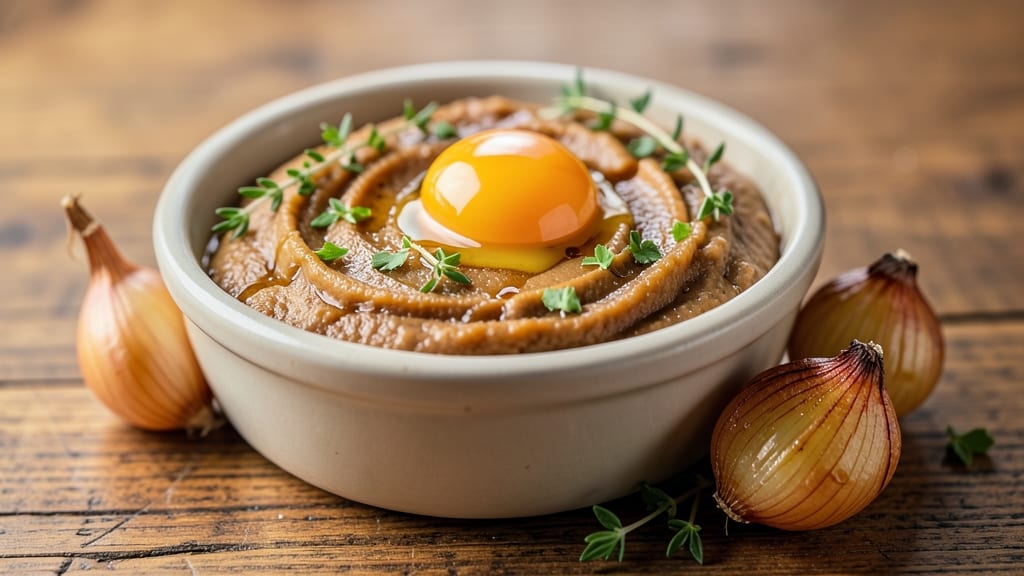
This baked chicken liver pâté transforms humble ingredients into a luxurious spread with velvety texture and deep, savory richness. 💛 I first discovered the magic when my grandmother showed me how to render the fat properly—something I burned through years of trial and error before perfecting.
The key lies in patience: slow cooking the liver until it's tender, then blending it with egg yolks and herbs to create that signature silky consistency.
The process begins with carefully rendering the fat to create a golden, aromatic base—this is where the flavor develops. After cooking the liver just until it reaches that perfect tender point, we blend it with yolks and herbs, then bake until set.
This method ensures a pâté that's smooth, rich, and packed with umami depth without being gamey. The result is a spread that's elegant enough for holiday gatherings but simple enough for a weeknight appetizer.
What makes this pâté truly special is its versatility. Serve it chilled on crusty bread with cornichons, or warm it slightly for a decadent toast topping. The fat content makes it naturally rich, but the herbs and yolks balance it perfectly.
My grandmother always said good pâté should taste like a hug—this one delivers every time. Ready to create something restaurant-worthy at home?
Safety note: Always handle raw liver with care, and use a meat thermometer to ensure proper cooking. The baking step is crucial for achieving that perfect set while maintaining moisture. Let's bring this classic technique into your kitchen with confidence.
Ingredients for baked chicken liver pate
Six egg yolks and a pound of liver create this luxurious pâté with golden butter and fresh herbs.
| Ingredient | Amount | Notes |
|---|---|---|
| Chicken Livers 🍗 | 1 ½ lb | Fresh, trimmed of connective tissue |
| Large Egg Yolks 🥚 | 6 whole | Fresh, room temperature |
| Unsalted Butter 🧈 | ½ cup | Cold, cubed for rendering |
| Fresh Thyme Leaves 🌿 | ¼ cup | Finely chopped, stems removed |
| Fresh Parsley Leaves 🌿 | ¼ cup | Finely chopped, flat-leaf preferred |
| Shallots 🧅 | 2 whole | Finely minced, about 0.25 cup |
| Fresh Tarragon Leaves 🌿 | ⅛ cup | Finely chopped, optional but recommended |
| Kosher Salt 🧂 | 1 tsp | Diamond Crystal preferred |
| Freshly Ground Black Pepper 🌶️ | ½ tsp | Coarsely cracked |
| Heavy Cream 🥛 | ¼ cup | Full-fat for richness |
| Cornichons 🥒 | ¼ cup | Chopped, for garnish |
| Baguette 🥖 | 1 whole | Crusty, for serving |
| Unsalted Butter 🧈 | 2 tbsp | For toasting baguette |
The chicken livers are the star—freshness is key, so grab them from the meat counter the day you plan to cook. Look for vibrant, bright red livers with no grayish spots (that's a sign of age). Trader Joe's and Whole Foods usually have the best quality, but your local butcher shop will have them too if you ask. Trim off any connective tissue or blood vessels before cooking. For the yolks, room temperature is crucial—they blend better and create a smoother texture. I keep mine in a bowl on the counter for 10 minutes before using. The butter? Cold cubes render beautifully, giving you that golden fat that's essential for the pâté's richness. Don't skip the tarragon if you can find it—it's what gives that classic French pâté flavor, but parsley and thyme work perfectly fine if that's what you've got.
No fresh tarragon? Dried tarragon at half the amount works in a pinch, though it won't have the same bright flavor. Substituting heavy cream? Full-fat coconut cream gives a similar richness, though it'll have a slightly different taste. The shallots can be swapped for green onions if you're in a hurry, but they add a sweeter depth that's worth the extra minute to mince. For the baguette, any crusty bread will do—even a good sourdough works. If you're feeling fancy, toast it with the extra butter and spread the pâté on top while it's still warm. The cornichons are optional but add that perfect tangy contrast—pickle juice from a jar works too if you can't find them fresh. The pâté itself keeps well in the fridge for 5-7 days, so make extra for gifts!
This pâté tastes even better the next day as the flavors meld. Store it in an airtight container with a thin layer of olive oil on top to keep it moist. It's perfect for holiday appetizers or last-minute dinner guests—just scoop it out and serve with crusty bread. Freezes beautifully for up to 3 months if you want to make it ahead. I always double the batch because it disappears fast. When reheating, warm gently in a water bath to maintain that silky texture. Never microwave it directly—you'll end up with a greasy mess. The butter fat will solidify as it chills, so let it sit at room temperature for 10 minutes before serving for the perfect spreadable consistency.
Why You'll Love This Recipe
- No-Fuss Ingredients: I swear by this recipe because it uses what’s already in my fridge. Chicken livers—often overlooked—get transformed with just yolks, butter, and a handful of herbs. No fancy gadgets, no obscure spices, just pure, rich flavor from pantry staples.
- Rich, Buttery Depth: The yolks and butter create this velvety texture that’s impossible to resist. The thyme and parsley add a bright, earthy kick that cuts through the richness—like a perfect balance of indulgence and freshness in every bite.
- Weeknight to Holiday: Between us, this pate is my secret weapon for both lazy Tuesdays and fancy dinner parties. Serve it on crusty bread with a glass of wine, or pack it for lunch with crackers—no one will guess it took less than 30 minutes to make.
- Budget Luxury: Chicken livers are cheaper than steak, but the result tastes like a gourmet spread. I make a big batch, portion it out, and freeze it—so I always have a restaurant-worthy appetizer without the price tag. (Yes, even on a Tuesday night.)
Step-by-step instructions for baked chicken liver pâté
Here's how to transform simple ingredients into a velvety pâté with perfect texture.
🍳 Step 1: Sauté the Aromatics Until Fragrant
Melt the 0.5 cup unsalted butter in a large skillet over medium heat. Add the 2 whole minced shallots and cook for 3-4 minutes until they turn translucent and just begin to soften. This is your flavor foundation - don't let them brown or they'll become bitter.
Add the 0.25 cup fresh thyme leaves, 0.25 cup fresh parsley leaves, and 0.125 cup fresh tarragon leaves to the pan. Stir for 30 seconds until the herbs release their aromatic oils and fill your kitchen with that wonderful herbal perfume. The leaves should look slightly wilted but still vibrant - this means they're ready to infuse the pâté.
🍳 Step 2: Cook the Chicken Livers Until Just Done
Add the 1.5 lb chicken livers to the skillet in a single layer. Cook over medium heat for 3-4 minutes per side until they reach an internal temperature of 145°F. They should be cooked through but still retain their pink color - overcooking will make them tough and dry.
I like to press down gently on the livers during the first minute of cooking - this prevents them from curling and ensures even contact with the pan. When they release easily from the skillet and are just barely pink in the center, they're perfect. Remove them from the pan and set aside to cool slightly.
👨🍳 Step 3: Create the Egg Yolk Mixture
While the livers cool, transfer them to a food processor along with the herb-butter mixture from the skillet. Add the 6 whole large egg yolks, 1 tsp kosher salt, and 0.5 tsp freshly ground black pepper. Pulse until the mixture is completely smooth and creamy, scraping down the sides as needed.
Here's the thing - the egg yolks are what transform this into pâté. You want them at room temperature so they blend seamlessly with the livers. If your yolks are cold, the pâté will have a grainy texture. The mixture should look like thick, pale custard when you're done.
🥘 Step 4: Bake Until Silky and Set
Transfer the pâté mixture to a heatproof baking dish and smooth the top. Pour the 0.25 cup heavy cream over the top and gently swirl it in. Place the dish in a water bath by setting it in a larger roasting pan filled with 1 inch of hot water.
Bake in a 350°F oven for 20-25 minutes until the center is just set but still slightly wobbly - it should jiggle like gelatin when gently shaken. The top should be golden brown and the edges slightly pulled away from the dish. This gentle baking creates that signature silky texture we're after.
🍽️ Step 5: Chill, Garnish, and Serve
Remove the pâté from the water bath and let it cool completely at room temperature. Then refrigerate for at least 4 hours or up to 2 days - this chilling step is crucial for developing the perfect texture. When ready to serve, unmold the pâté onto a platter.
Garnish with the 0.25 cup chopped cornichons and a sprinkle of the remaining fresh herbs. Toast the 1 whole baguette with the 2 tbsp unsalted butter and serve with the pâté. The contrast of the crispy bread with the silky pâté is what makes this dish truly special.
Pro Tips For Making Baked Chicken Liver Pate
- BLANCH LIVERS FIRST: I learned this the hard way—skipping the quick blanch makes them bleed like crazy when baking. Drop them in simmering water for 2 minutes, then shock in ice water. This removes impurities and keeps your pate silky, not metallic-tasting.
- USE ROOM-TEMPERATURE YOLKS: Cold yolks? They’ll curdle when baked, turning your pate into a sad, lumpy mess. Let them sit in warm water for 10 minutes before mixing—this guarantees a smooth, velvety texture every time.
- BAKE LOW AND SLOW: High heat turns liver pate into scrambled eggs. Cover it with foil and bake at 325°F (165°C) for 20–25 minutes—just until the center hits 150°F (65°C). Rushing it means rubbery yolks.
- STRAIN THE HERBS: Chopping thyme and parsley fine is a must, but don’t skip straining them through a fine-mesh sieve after mixing. It removes tough stems and keeps the texture buttery, not fibrous. (Yes, it’s extra work, but trust me.)
Essential equipment for perfect results
Food Processor
You'll need a high-quality food processor with a sharp blade to achieve that ultra-smooth texture. I swear by my Cuisinart DLC-2A—it handles the liver and yolks like a dream without overheating. The blade should be able to puree the mixture completely, with no visible chunks. If you're on a budget, the Ninja BN601 works well too. Just
Baking Dish
Choose a heatproof baking dish that's at least 8x8 inches—I prefer glass or ceramic for even heat distribution. My go-to is a Pyrex 8x8-inch dish because it handles the water bath beautifully without warping. The dish should have straight sides for easy unmolding. If you don't have one, a stainless steel loaf pan works too, but glass is better for visual appeal when serving.
Water Bath Setup
A large roasting pan is essential for the water bath—it needs to accommodate your baking dish with 1 inch of hot water around the sides. I use a 16x12-inch stainless steel roasting pan from All-Clad because it's durable and fits most ovens.
The water bath ensures gentle, even heating that prevents the pâté from cracking. Never skip this step—it's what gives that signature silky texture. 🌡️
Meat Thermometer
A precision meat thermometer is non-negotiable for chicken livers—they cook fast and can go from perfect to rubbery in seconds. My ThermoWorks Smoke is my holy grail, but even a basic instant-read thermometer like the Taylor Precision will do.
Insert it into the thickest part of the liver to check for 145°F internal temperature. Overcooking is the #1 mistake—livers should be just barely pink in the center.
Food Processor Pitcher
If your food processor has a removable pitcher, use it—it makes blending and scraping down much easier. The Cuisinart DLC-2A has a great one, but any standard pitcher works. Avoid plastic pitchers—they can melt under the heat of the liver mixture.
For extra insurance, I keep a small silicone spatula on hand to scrape every last bit of mixture from the sides. This ensures no dry spots remain in your pâté. 💪
Serving Tools
For plating, grab a small offset spatula (like the OXO Good Grips) to scoop the pâté neatly onto your serving platter. A pair of tongs comes in handy for arranging garnishes like cornichons or herbs.
If you're feeling fancy, a small squeeze bottle filled with extra olive oil lets you drizzle artfully over the top. Don't forget a sharp knife for slicing the baguette—nothing ruins the moment like a dull blade. 🥖
Nutrition facts
Frequently asked questions
Why does my chicken liver pâté turn out grainy?
Cold egg yolks are the #1 culprit! Always use room temperature yolks—they blend smoothly with the liver. Also, pulse the food processor in short bursts (3-4 seconds at a time) to prevent overheating. If it's still grainy, strain through a fine-mesh sieve for that restaurant-quality texture.
Can I make this pâté ahead of time?
This pâté actually tastes better after 24 hours in the fridge as flavors meld. Store in an airtight container with a thin layer of olive oil on top to prevent drying. For serving, let it sit at room temperature for 30 minutes before unmolding for perfect texture. Freezes beautifully for 3 months too!
What's the best way to reheat leftover pâté?
Never microwave it directly—you'll get a greasy mess! Instead, place the pâté in a water bath (same method as baking) at 325°F for 10-12 minutes. Or for quick reheating, warm in a lightly oiled skillet over low heat for 5-7 minutes, stirring gently. The goal is to gently warm through without breaking the silky texture.
Can I substitute duck or pork liver?
Duck liver works beautifully—it's richer and more robust in flavor. For pork liver, reduce the cooking time slightly (2-3 minutes per side) as it cooks faster. However, chicken liver gives the mildest, most versatile base for beginners. Pro tip: If using duck, reduce the butter to 0.375 cup** to balance the richness.
How do I know when the pâté is fully set?
It should jiggle like gelatin when gently shaken but still have a slight wobble in the center. The top should be golden brown and slightly pulled away from the dish edges. For perfect doneness, insert a toothpick—it should come out clean but with slight resistance. If it's too firm, it needs more time; if too soft, it's underbaked.