
Main Courses
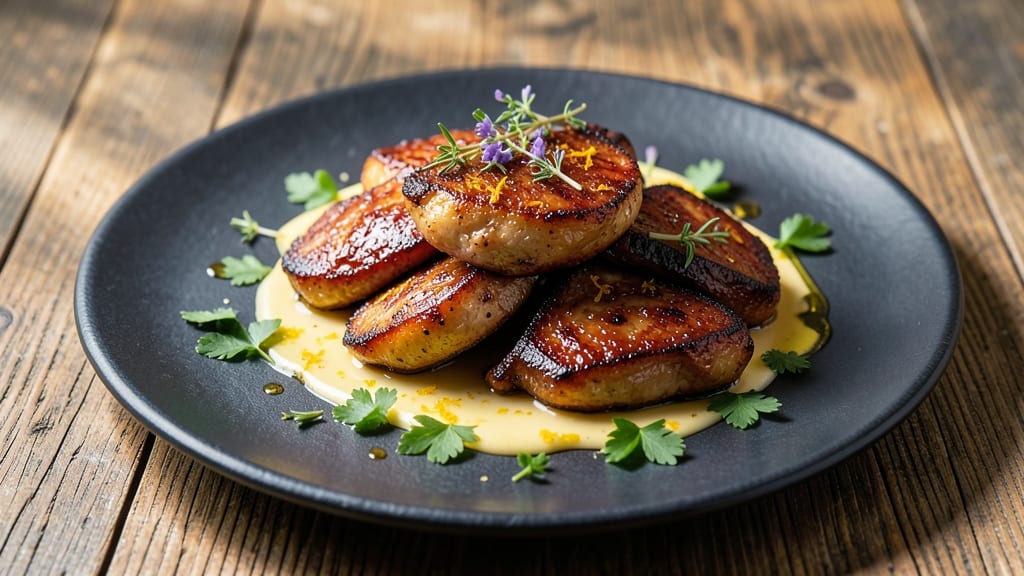
This baked chicken livers recipe transforms delicate offal into a luxurious, herbed butter-finished dish that rivals any restaurant specialty. The secret lies in proper preparation—soaking the livers first removes bitterness while preserving their rich, meaty texture.
Most home cooks avoid chicken livers due to their strong flavor, but this method delivers tender, flavorful bites with crisp edges and a velvety interior.
Start with a simple marinade of lemon juice and salt to tenderize, then sear the livers in a hot pan before finishing in the oven. The herbed butter topping adds depth and a golden crust that makes this dish feel special.
Unlike traditional recipes that rely on heavy seasoning, this version lets the natural richness shine while balancing with bright herbs and garlic. Perfect for impressing guests or elevating a weeknight dinner.
What sets this recipe apart is the texture—crisp on the outside, juicy within—achieved through precise timing and temperature control. The lemon-herb butter finish not only enhances flavor but also creates a beautiful presentation.
Whether served with roasted potatoes or crusty bread, these livers become the star of the meal. Here’s how to master them.
The key to success is patience during the soaking phase and careful searing to avoid overcooking. With just 30 minutes of active time and 15 minutes in the oven, you’ll have a restaurant-quality dish that’s surprisingly simple.
This recipe proves that offal can be elegant, flavorful, and well worth the effort.
Ingredients for baked chicken livers
Rich, tender chicken livers transformed with herbed butter and bright lemon notes.
| Ingredient | Amount | Notes |
|---|---|---|
| Fresh Chicken Livers 🍗 | 1 ¼ lb | Trimmed of connective tissue |
| Fresh Lemon Juice 🍋 | ½ cup | From 2-3 medium lemons |
| Kosher Salt 🧂 | 2 tsp | Diamond Crystal preferred |
| Unsalted Butter 🧈 | 4 tbsp | Cold, cubed for topping |
| Fresh Flat-Leaf Parsley 🌿 | ¼ cup | Chopped, stems removed |
| Fresh Thyme Leaves 🌿 | 1 tbsp | Or 1 tsp dried thyme |
| Garlic Cloves 🧄 | 2 cloves | Minced for butter mixture |
| Extra-Virgin Olive Oil 🫒 | 2 tbsp | For searing livers |
| All-Purpose Flour 🌾 | 2 tbsp | For dredging if needed |
| Black Peppercorns 🌶️ | ½ tsp | Freshly cracked |
| Heavy Cream 🥛 | ¼ cup | Optional for sauce |
The quality of chicken livers makes all the difference here. Look for fresh, bright red livers at your butcher or high-end grocery store—avoid any with yellowing or off smells. Trim away any connective tissue or silver skin, then soak them in lemon juice and salt for 30 minutes to tenderize. Costco or Whole Foods typically carry the best quality, but even your local butcher can source excellent livers if asked. Fresh herbs are non-negotiable for the butter topping—parsley and thyme should be vibrant and fragrant, not wilted or dried out.
No fresh parsley? Fresh cilantro or basil work in a pinch, though parsley's bright flavor is ideal. Running short on butter? Vegetable shortening or coconut oil can substitute, but the flavor won't be as rich. The lemon juice soak is crucial—skip it and you'll end up with tough, bitter livers. For the garlic, roasted garlic adds a sweeter note if you prefer, but fresh minced garlic gives the best punch. If you're serving this to guests who dislike strong flavors, reduce the thyme to 1/2 tablespoon and add a pinch of sugar to the lemon juice soak.
Prepped livers keep in the fridge for 2 days before cooking, but use them as soon as possible for best texture. The herbed butter topping can be made a day ahead and stored in the fridge—just bring it to room temperature before using. Leftover livers reheat beautifully in a 350°F oven for 10-12 minutes, covered loosely with foil. For a restaurant-worthy presentation, serve immediately with crispy roasted potatoes or crusty bread to soak up the rich juices.
Why You'll Love This Recipe
- No-Chop Necessary: I swear by this recipe because it’s the only time I’ve ever baked chicken livers without a single knife cut. Just pat them dry, toss with lemon juice and salt, and let the oven work its magic—no dicing, no fuss.
- Lemon-Butter Magic: That bright lemon cutting through the rich, buttery chicken livers? It’s like a flavor hug. The parsley ties it all together with a fresh finish that makes every bite feel special.
- Weeknight to Weekend: Make a big batch on Sunday and use them in sandwiches, pasta, or even scrambled eggs all week. They’re great plain but even better when repurposed—my lazy days just got an upgrade.
- Budget Powerhouse: Chicken livers are cheap, but they taste luxurious. A pound stretches to feed four, and the butter and lemon make it feel like a restaurant dish without the price tag. Plus, leftovers reheat perfectly.
Step-by-step instructions for baked chicken livers
Here's how to transform delicate chicken livers into rich, flavorful bites with perfect texture.
Prepare and Clean the Chicken Livers
Start by trimming away any connective tissue or silver skin from the 1.25 lb fresh chicken livers using a sharp knife. This step is crucial—connective tissue makes the livers tough. Rinse them thoroughly under cold water to remove any blood, then pat completely dry with paper towels. The drier they are, the better they'll brown.
Place the cleaned livers in a bowl and add the 0.5 cup fresh lemon juice. Let them soak for 15 minutes while you prepare the rest. This acid marinade tenderizes the livers and prevents them from becoming rubbery during cooking. After soaking, drain the livers and pat them dry again—this second drying is essential for that coveted crispy exterior.
Create the Herbed Butter Mixture
In a small bowl, combine 2 tbsp unsalted butter (softened), 2 cloves minced garlic, 1 tbsp fresh thyme leaves, 0.5 tsp freshly cracked black peppercorns, and 0.25 cup chopped fresh flat-leaf parsley. Mix well with a fork until evenly distributed. This herbed butter will be our finishing touch, adding luxurious flavor and moisture to the livers.
Set aside 2 tbsp unsalted butter (cold, cubed) for topping later—this creates a golden crust when melted on top. The remaining butter mixture will be used to coat the finished livers. I like to make this ahead of time so it's ready when the livers come out of the oven.
Pan-Sear the Chicken Livers
Heat 2 tbsp extra-virgin olive oil in a large skillet over medium-high heat until shimmering. Working in batches (don't overcrowd the pan), add the livers and cook for 2-3 minutes per side until they develop a deep golden brown crust. You want them to sear quickly before they cook through completely.
As they cook, I press down gently on the livers during the first minute—this prevents them from curling and ensures even contact with the pan. They should release easily when ready to flip. Remove the livers to a plate and set aside. If needed, dredge them lightly in 2 tbsp all-purpose flour before returning to the pan for extra crispiness.
Finish in the Oven
Transfer the seared livers to a baking dish and arrange them in a single layer. Dot the tops with the reserved 2 tbsp cold cubed butter. This butter will melt and baste the livers as they finish cooking, creating a rich, glossy surface.
Bake in a preheated 400°F oven for 8-10 minutes until the internal temperature reaches 145°F (use an instant-read thermometer). They should be just cooked through but still tender—not overdone. While they bake, prepare the herbed butter sauce by melting the remaining butter mixture in a small saucepan over low heat.
Assemble and Serve
Once the livers reach 145°F, remove them from the oven and immediately spoon the melted herbed butter mixture over each piece. The butter should coat them completely, adding a luxurious finish. For an extra touch, drizzle with any pan juices that accumulated during searing.
Serve immediately with the optional 0.25 cup heavy cream sauce on the side if desired. The livers should be tender yet firm with a rich, golden crust. Each bite delivers perfect texture and deep, herby flavor. Pair with crusty bread or a simple green salad to complement their richness.
Pro Tips For Making Baked Chicken Livers
- Trim the Gall Bladders: Chicken livers hide tiny greenish sacs—those are gall bladders, and they’ll turn your dish bitter. Rinse the livers in cold water, then pinch and pull off the sacs with your fingers. I used to skip this and wondered why my lemon juice couldn’t cut the sour note.
- Sear First, Bake Second: High heat for 2 minutes per side in a hot pan with butter—this locks in flavor and prevents drying. After searing, transfer to a baking dish and finish at 375°F (190°C) for 8–10 minutes. I learned this the hard way: baking alone makes them rubbery.
- Salt the Butter Generously: Unsalted butter needs extra salt—about ½ teaspoon per tablespoon—to balance the richness. Mix it in while the livers sear, then spoon the salty butter over them before baking. Skimping here means bland, greasy results.
- Rest Before Serving: Let the livers sit under foil for 5 minutes after baking—they’ll firm up and soak up the lemon-butter sauce. Cutting into them too soon turns them into a mushy pile. (Yes, even if you’re impatient like me.)
Essential equipment for baked chicken livers
Must-Have Pan
You'll need a 10-inch or 12-inch heavy-bottomed skillet—I recommend All-Clad or Made In for even heat distribution. A non-stick pan works too, but cast iron gives the best sear.
Avoid thin pans—they heat unevenly and can cause sticking. If you're cooking for a crowd, use two pans to prevent overcrowding, which leads to steaming instead of searing. 🔥
Precision Thermometer
An instant-read thermometer is non-negotiable for chicken livers—they cook fast and overcooking turns them rubbery. I use the ThermoWorks Thermapen One because it's fast and accurate. Insert it into the thickest part of a liver to check for 145°F internal temperature.
Without this, you're guessing, and that's how you ruin a perfect dish.
Sharp Knife Set
Chicken livers have delicate membranes and connective tissue that require a sharp chef's knife (I prefer Wüsthof) and a small paring knife for precision trimming. Dull knives crush the livers and make cleaning difficult.
Keep a cutting board (wood or plastic—avoid glass) under your knife to prevent slipping. A boning knife helps remove any remaining silver skin efficiently.
Basting Brush
A silicone basting brush (like OXO Good Grips) is perfect for spreading the herbed butter evenly over the finished livers. Avoid metal brushes—they can scratch your pans.
For the oven finish, I also use a small offset spatula to gently press the cold butter cubes onto the livers before baking. This ensures even melting and basting.
Mixing Bowls
Use a medium mixing bowl (at least 8-inch diameter) for the lemon juice soak and a small ramekin for the herbed butter mixture. I like stainless steel bowls because they're durable and easy to clean.
For the butter cubes, a small ice cube tray works perfectly—it keeps them cold and easy to handle. Don’t skip the paper towels for drying; they’re essential for that crispy sear.
Oven Thermometer
Your oven’s temperature display isn’t always accurate. A Thermoworks Oven Thermometer (or even a candy thermometer) ensures your 400°F setting is precise. Livers cook quickly, and even a 25°F discrepancy can ruin the texture.
Place the thermometer near the livers while baking for the most accurate reading. This small investment saves you from dry, overcooked results. ✨
Nutrition facts
Frequently asked questions
Why do I need to soak chicken livers in lemon juice?
The lemon juice soak is essential for tenderizing the livers and removing bitterness. The acid breaks down tough fibers while preventing rubbery texture. 15 minutes is perfect—any longer risks making them mushy. Skip this step and you'll end up with tough, gamey-tasting livers.
Can I substitute butter with another fat for the herbed topping?
Yes, but expect different results. Olive oil works in a pinch (use 2 tbsp total) but lacks richness. For best flavor, stick with butter. If avoiding dairy, try vegetable shortening or coconut oil, but reduce to 1 tbsp only—they won't melt as beautifully. The butter creates that golden crust that makes this dish special.
What if my chicken livers turn out rubbery?
Rubbery texture usually means overcooking or skipping the lemon soak. Check your internal temperature—it should reach 145°F max. For next time, sear at medium-high heat for 2 minutes per side only, then finish in the oven immediately. Never let them sit in the pan after searing.
How do I store leftovers without drying them out?
Store cooked livers in an airtight container with a thin layer of butter on top to prevent drying. They keep for 3 days in the fridge. To reheat, warm in a 350°F oven for 10-12 minutes covered with foil. Microwaving makes them rubbery—always use the oven method.
What's the best way to serve these with guests who dislike offal?
Serve the livers deconstructed: place the herbed butter in a small bowl and arrange the livers on a platter with roasted potatoes or crusty bread for dipping. The rich flavor hides in the butter sauce, making it more approachable. You can also serve them as a pâté by blending with cream and spreading on toast.