
Sauces & Condiments
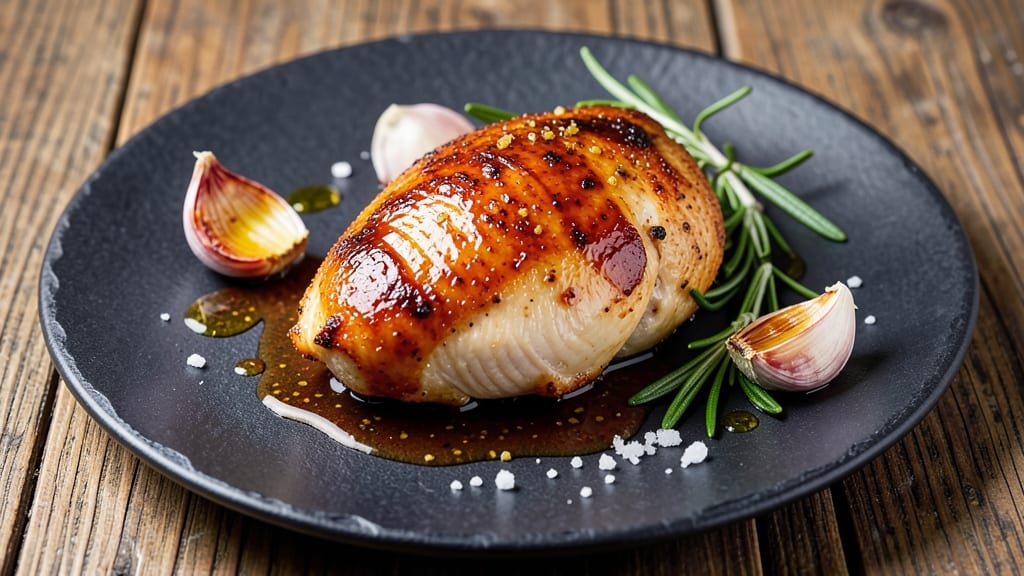
This baked chicken with Worcestershire sauce recipe transforms simple ingredients into a dish that's impossible to resist. 🔥 The secret lies in a savory glaze that caramelizes beautifully, creating tender meat with a rich, umami depth that'll make your taste buds sing.
What makes this recipe special is how the Worcestershire sauce works its magic—infusing the chicken with layers of flavor while keeping it juicy and succulent.
The process is straightforward but delivers restaurant-quality results. You'll start with a simple seasoning blend of salt, pepper, and garlic powder, then let the chicken bake to perfection while basted with a blend of Worcestershire, honey, and a touch of Dijon mustard.
This combination creates a glaze that's both sticky and caramelized, locking in moisture while adding a perfect balance of sweet and savory notes.
By the time you pull this chicken from the oven, you'll have golden, caramelized bites with tender meat underneath. The glaze clings beautifully, adding a glossy finish that makes every bite look as good as it tastes.
This dish pairs perfectly with roasted vegetables, mashed potatoes, or a fresh salad—making it ideal for weeknight dinners or special occasions.
The best part? This recipe is designed to be foolproof, ensuring juicy results every time. Whether you're cooking for a family meal or a dinner party, this baked chicken with Worcestershire sauce will be the star of the show. Let's get started on creating a dish that's sure to impress!
Ingredients for baked chicken with worcestershire sauce
Juicy chicken thighs, sticky glaze, and umami-packed flavors—this is the combo that makes everything sing.
| Ingredient | Amount | Notes |
|---|---|---|
| Boneless, Skinless Chicken Thighs 🍗 | 1 ½ lb | Medium-sized, even thickness |
| Worcestershire Sauce 🍶 | ½ cup | High-quality, full-flavor |
| Honey 🍯 | ¼ cup | Pure, light amber preferred |
| Dijon Mustard 🌶️ | 1 tbsp | Smooth, not grainy |
| Olive Oil 🫒 | ¼ cup | Extra-virgin, fruity |
| Garlic Powder 🧄 | 1 tsp | Freshly ground preferred |
| Salt 🧂 | 1 ½ tsp | Kosher or sea salt |
| Black Pepper 🌶️ | ½ tsp | Freshly ground preferred |
| Garlic Cloves 🧄 | 3 cloves | Minced for glaze |
| Fresh Rosemary 🌿 | ¼ cup | Chopped, fresh preferred |
| Fresh Thyme 🌿 | ¼ cup | Chopped, fresh preferred |
The chicken thighs are key here—bone-in, skin-on if you can find them, but boneless works too. Trader Joe's and Costco usually have great prices on bulk packs. Look for thighs with good marbling—they stay juicier. Fresh rosemary and thyme make all the difference (the good stuff, not the dried packets). If you're short on time, dried herbs at half the amount work in a pinch. The Worcestershire sauce? Lea & Perrins is the classic choice, but any good brand will do.
No Worcestershire? Soy sauce plus a splash of balsamic vinegar gets you close. Honey too expensive? Maple syrup works just as well. The Dijon mustard adds depth—skip it if you're sensitive to tang. For extra richness, add a tablespoon of butter to the glaze. And if your chicken thighs are uneven, pound them to even thickness before seasoning. That ensures even cooking and juiciness every time.
This glaze reheats beautifully—just warm it up with a splash of water. Keeps 3-4 days in the fridge, freezes for 3 months. I like to make a double batch because leftovers taste even better the next day. Store the chicken and glaze separately, then reheat together for maximum flavor. The glaze thickens as it cools, so thin with a splash of water if needed.
Why You'll Love This Recipe
- Five-Ingredient Magic: I swear by this combo—just chicken, Worcestershire, honey, mustard, and oil. That’s it. No chopping, no fuss, and no extra bowls to wash.
- Sweet-Savory Balance: The honey and Worcestershire team up for a glaze that’s sticky, tangy, and just sweet enough to make your taste buds dance. (Yes, even my picky husband licks the plate.)
- Leftovers That Shine: Bake extra—this chicken reheats like a dream. Toss it in wraps, over rice, or straight from the fridge for a no-stress lunch. Honestly, I’ve eaten it cold three times this week.
- Weeknight Win: One sheet pan, 40 minutes, and zero cleanup. The mustard adds depth while you’re scrolling through Netflix, and the thighs stay juicy no matter what. My go-to when I’d rather not cook.
Step-by-step instructions for umami-rich baked chicken
Here's how to make tender, caramelized chicken thighs with that perfect sticky glaze.
👨🍳 Step 1: Prep the Chicken and Glaze Ingredients
Pat the 1.5 lb boneless, skinless chicken thighs completely dry with paper towels—this helps the glaze stick and creates crispy edges. Place them in a bowl and mix together 1.5 tsp salt, 0.5 tsp black pepper, 1 tsp garlic powder, 0.25 cup chopped fresh rosemary, and 0.25 cup chopped fresh thyme. Rub this mixture all over the chicken, pressing it into the meat so it adheres well.
In a separate bowl, whisk together 0.5 cup Worcestershire sauce, 0.25 cup honey, 1 tbsp Dijon mustard, 0.25 cup olive oil, and 3 minced garlic cloves. This is your flavor bomb glaze—don't skip the whisking, or you'll miss out on that smooth, cohesive texture. Here's the thing—this glaze needs to coat the chicken thoroughly, so give it a good stir before using.
🍳 Step 2: Sear the Chicken for Maximum Flavor
Heat your oven to 375°F. While it preheats, heat 1 tablespoon olive oil in an oven-safe skillet over medium-high heat. Add the seasoned chicken thighs and sear for 3-4 minutes per side until they develop golden brown spots. Don't move them around too much—let them sit and get that beautiful crust.
Here's where it gets fun: once the chicken is golden, transfer the skillet to the preheated oven. Pour the glaze mixture over the chicken, letting it pool around the thighs. The oven's dry heat will help caramelize the glaze while keeping the chicken juicy. I know it seems weird to put a hot skillet in the oven, but trust me—this creates that perfect balance of crispy and sticky.
🔥 Step 3: Bake Until Glaze is Sticky and Chicken is Tender
Bake for 25-30 minutes until the internal temperature reaches 165°F and the glaze has thickened into a glossy, caramelized coating. You'll know it's ready when the chicken is fork-tender and the glaze pulls away slightly from the edges but still looks shiny.
I've found that checking at the 25-minute mark works best—your oven might run hot, so start testing with a meat thermometer. The glaze should be sticky but not runny, and the chicken should pull away from the bone with gentle pressure. If it's not quite there, give it another 5 minutes.
⏰ Step 4: Rest and Serve with Sticky Perfection
Let the chicken rest for 5 minutes before serving—this lets the juices redistribute so every bite stays moist. During this time, you can spoon any extra glaze from the pan over the chicken. The glaze will thicken as it cools, so don't worry if it looks a little loose when you pull it out.
Serve immediately with the caramelized glaze drizzled over the top. Each bite should deliver juicy, tender chicken with that perfect balance of sweet, tangy, and umami flavors. The rosemary and thyme add an aromatic depth that makes this dish truly special. Pair it with roasted vegetables or crusty bread to soak up that delicious glaze!
Pro Tips For Making Baked Chicken With Worcestershire Sauce
- Sear First, Bake Second: Hit the thighs with a quick sear in olive oil—3 minutes per side—before baking. The crust locks in flavor and prevents the sauce from turning into a soggy glaze. I learned this the hard way when my first batch tasted like a sauce-soaked sponge.
- Whisk the Sauce: Mix Worcestershire, honey, and Dijon until fully combined—no lazy drizzling. Lumps of mustard or unmixed sauce will clump on the chicken, leaving uneven flavor. Stir it like you mean it.
- Skip the Crowding: Space thighs apart on the baking sheet, even if it means two batches. Overlapping traps steam, turning crisp edges into limp rubber. Trust me, the extra 10 minutes waiting is worth it.
- Bake Low and Slow: Start at 425°F (400°C) for 10 minutes, then drop to 375°F (190°C) until 165°F (74°C) internal temp. The high heat caramelizes the sauce, while the lower temp ensures juicy meat—no more dry, overcooked chicken.
Best sauces and condiments for these flavors
Worcestershire Glaze
The star of this dish is the Worcestershire-honey glaze, where ½ cup Worcestershire sauce meets ¼ cup honey and 1 tbsp Dijon mustard. The Worcestershire brings deep umami and tang, while the honey caramelizes beautifully for that sticky finish.
For extra richness, I sometimes add 1 tbsp butter to the glaze—it creates a velvety texture that clings perfectly. 🍯
Sweet-Savory Variations
Want to tweak the flavor balance? Swap honey for maple syrup (same amount) for a deeper caramel note. For heat lovers, add ½ tsp cayenne to the glaze or sprinkle crushed red pepper flakes on top before serving.
If you prefer a smokier profile, replace ½ cup Worcestershire with ½ cup smoked paprika-infused olive oil (simmer 2 tbsp smoked paprika in ½ cup olive oil for 5 minutes, then cool).
Herb & Spice Boosts
Fresh herbs elevate this glaze to restaurant-quality. Beyond the rosemary and thyme in the seasoning, try adding 1 tsp grated lemon zest to the glaze for brightness or 1 tsp dried oregano for Mediterranean flair.
For a garlic-forward version, double the minced garlic to 6 cloves—it intensifies the umami punch. I also love a pinch of ground coriander (½ tsp) in the glaze for a subtle citrusy depth. 🌿
Thickening Tricks
If your glaze turns out too thin, simmer it uncovered for 2-3 minutes on the stovetop to reduce. For extra thickness, whisk in 1 tsp cornstarch mixed with 1 tbsp water at the end of baking.
Pro tip: The glaze will thicken further as it cools, so don’t over-reduce it in the oven—aim for a syrupy consistency when hot. For a glossy finish, brush the chicken with 1 tsp olive oil before the final 5 minutes of baking. ✨
Sauce Pairings
Serve this chicken with complementary sauces to round out the meal. A creamy garlic aioli (mix ¼ cup mayo with 1 minced garlic clove, 1 tsp lemon juice, and salt) adds a cooling contrast.
For acidity, drizzle with chopped pickled jalapeños or a mango-habanero salsa. If you love tang, a spicy ketchup (mix 2 tbsp ketchup with ½ tsp hot sauce) cuts through the richness beautifully. 🌶️
Glaze Uses Beyond Chicken
This versatile glaze works on grilled shrimp, pork chops, or even tofu for a vegetarian twist. For shrimp, brush the glaze on during the last 2 minutes of grilling—it caramelizes instantly. On pork chops, bake at 400°F for 20 minutes (flip once) for a crispy crust.
For tofu, press and pan-fry until golden, then glaze for 3-4 minutes under the broiler. The Worcestershire adds depth to any protein! 🍤
Nutrition facts
Frequently asked questions
Can I use chicken breasts instead of thighs?
You can, but thighs are ideal for this recipe because they stay juicier during baking. If using breasts, pat them very dry and bake at 350°F for 20-25 minutes (they cook faster). The glaze works, but breasts may dry out more easily. For best results, brining them for 30 minutes in saltwater helps retain moisture.
What makes Worcestershire sauce so special in this recipe?
Worcestershire sauce brings deep umami, tangy, and slightly sweet complexity that transforms ordinary baked chicken. It contains fermented anchovies, tamarind, and molasses—ingredients that create that signature savory depth. The honey and Dijon mustard in this recipe complement its flavors perfectly, creating a balanced glaze that's both sticky and caramelized.
How do I fix a glaze that's too runny?
If your glaze turns out too thin, don't panic! Simmer it uncovered on the stovetop for 2-3 minutes to reduce. For extra thickness, whisk in 1 tsp cornstarch mixed with 1 tbsp water at the end of baking. The glaze will naturally thicken as it cools, so aim for a syrupy consistency when hot rather than completely dry.
Can I make this ahead of time?
Prepare the chicken and glaze up to 24 hours ahead and store them separately in the fridge. When ready to cook, bake as directed. The glaze can also be made 3 days ahead—just reheat it gently with a splash of water before using. For make-ahead convenience, I recommend assembling the dish in the oven-safe skillet the night before and baking fresh the next day.
What if my chicken ends up dry?
Dry chicken usually means it was overcooked or not rested properly. Always use a meat thermometer to check for 165°F internal temperature. If your chicken is slightly undercooked, return it to the oven for 5 more minutes covered with foil. For extra juiciness, baste the chicken with pan juices during baking or try the recipe with bone-in thighs next time.