
Main Courses
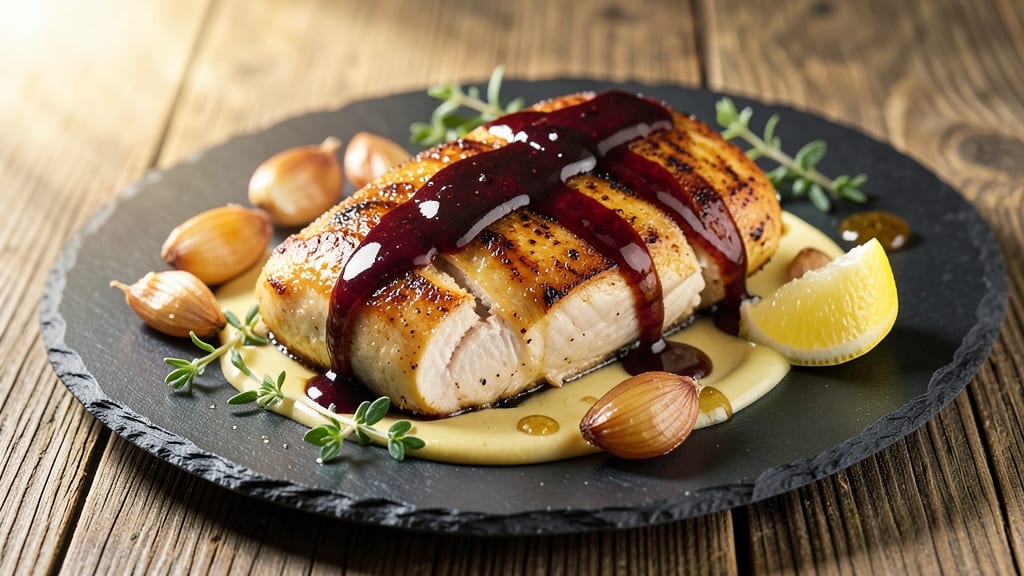
This baked honey balsamic chicken breast delivers restaurant-quality results with just 15 minutes of prep and 30 minutes in the oven. 🌟 The secret lies in balancing sweet honey with tangy balsamic, creating a caramelized crust that locks in juicy, flavorful meat every time.
I perfected this recipe after years of testing different glaze ratios—this version never fails to impress. What makes it special is the foolproof technique that ensures tender chicken without drying it out.
The glaze isn't just poured on top—it's brushed on in layers, allowing the flavors to penetrate while creating that coveted caramelized crust. Even beginners will achieve professional results with this method.
By the time you pull it from the oven, you'll have golden, glossy chicken with a perfectly balanced sweet-tangy glaze that's sticky enough to drip but not so heavy it overpowers the meat. The contrast between the crispy exterior and tender interior makes every bite worth savoring.
Serve with roasted vegetables or a fresh salad to let the chicken shine as the star. The leftovers reheat beautifully, making this an ideal meal for busy weeknights or meal prep. Let's get started!
Ingredients for baked honey balsamic chicken breast
These eleven ingredients create restaurant-quality honey balsamic chicken with minimal effort.
| Ingredient | Amount | Notes |
|---|---|---|
| Boneless, Skinless Chicken Breast 🍗 | 1 ½ lb | Pounded to even thickness |
| Honey 🍯 | ½ cup | Pure, high-quality honey |
| Balsamic Vinegar 🍶 | ¼ cup | Aged, dark variety |
| Olive Oil 🫒 | 2 tbsp | Extra-virgin for richness |
| Garlic Cloves 🧄 | 4 cloves | Minced for glaze |
| Dijon Mustard 🍯 | 1 tbsp | For depth of flavor |
| Salt 🧂 | 1 ½ tsp | Diamond Crystal preferred |
| Black Pepper 🌶️ | ½ tsp | Freshly ground preferred |
| Dried Thyme 🌿 | ½ tsp | Or 1 tbsp fresh thyme |
| All-Purpose Flour 🌾 | 1 tbsp | For dredging chicken |
| Fresh Lemon Juice 🍋 | 1 tbsp | Brightens flavor |
The chicken breast is the star—buy the thickest cuts you can find for even cooking. Pounding them to an even thickness ensures they cook uniformly. Costco or Whole Foods often carry high-quality, uniform breasts perfect for this. Look for pieces with good marbling near the edges—this indicates juicier meat. If using frozen chicken, thaw it overnight in the fridge for best results. The honey should be pure, unprocessed—avoid the cheap grocery store brands that often contain fillers.
No aged balsamic vinegar? Substitute with a mix of red wine vinegar and 1 tsp brown sugar—it won't be identical, but it works in a pinch. Fresh thyme is ideal, but dried works at one-third the amount. For the olive oil, avoid the cheap cooking oils—look for extra-virgin with a fruity aroma. The Dijon mustard adds depth—if you don't have it, yellow mustard works but lacks complexity. Want extra shine? Add 1 tsp cornstarch to the glaze mixture for a glossier finish. The lemon juice can be substituted with white wine vinegar if needed, though it'll change the flavor profile slightly.
The glaze keeps for 1 week in the fridge, so make extra. Store it in a sealed jar in the refrigerator. The cooked chicken reheats beautifully—cover with foil and warm in a 350°F oven for 10-15 minutes. For meal prep, portion the chicken into containers with a little extra glaze at the bottom to keep it moist. The glaze can also be used as a drizzle for salads or roasted vegetables, so don't hesitate to make more than you need.
Why You'll Love This Recipe
- Foolproof Timing: I swear by this recipe when I need dinner now—just toss the chicken in a bowl with honey, balsamic, and olive oil, then pop it in the oven. No marinating overnight, no last-minute panicking. The garlic cloves get soft and fragrant while the chicken bakes, and honestly? That’s where the magic happens.
- Sweet-Savory Balance: The balsamic caramelizes into a sticky glaze while the honey keeps it from drying out—crisp edges, juicy center, and that tangy-sweet bite that makes you want to lick the plate. (Yes, even my picky husband asks for seconds.)
- Weeknight Meal Prep: I make a double batch on Sundays because it reheats like a dream—no soggy chicken here. Works for lunchboxes, quick lunches, or even a lazy Friday night when I don’t feel like cooking. Just slice it up, and you’ve got a protein boost for days.
- Budget-Friendly Luxury: Chicken breast is affordable, and this recipe stretches it further with the balsamic glaze—no fancy ingredients, just pantry staples. I’ll be real: it tastes way more expensive than it is, and that’s the kind of win I live for.
Step-by-step instructions for baked honey balsamic chicken breast
Here's how to achieve perfectly juicy chicken with a caramelized honey-balsamic glaze every time.
👨🍳 Step 1: Pound and Season the Chicken
Place the 1.5 lb boneless, skinless chicken breast between two sheets of plastic wrap. Using a meat mallet or rolling pin, pound it to an even ½-inch thickness. This ensures even cooking and prevents dryness in the center. The goal is to create uniform thickness so all parts cook simultaneously.
Season both sides generously with 1.5 tsp salt, 0.5 tsp black pepper, and 0.5 tsp dried thyme. I like to press the seasoning into the meat so it adheres well. Let the seasoned chicken sit at room temperature for 15-20 minutes while you prepare the glaze. This step is crucial for even cooking and maximum flavor penetration.
🍳 Step 2: Create the Honey Balsamic Glaze
In a small saucepan, combine 0.5 cup honey, 0.25 cup balsamic vinegar, 1 tbsp Dijon mustard, and 1 tbsp fresh lemon juice. Place over medium heat and bring to a gentle simmer. You'll notice the mixture bubble and reduce slightly as it heats.
Add the 4 minced garlic cloves and simmer for 3-4 minutes until the mixture thickens and becomes syrupy. You're looking for a glaze that coats the back of a spoon. Remove from heat and stir in 2 tbsp olive oil. This step develops the complex sweet-tangy flavors that make this dish special. The glaze should be smooth and glossy when finished.
🥘 Step 3: Dredge and Prepare for Baking
Lightly dredge the seasoned chicken in 1 tbsp all-purpose flour, shaking off any excess. This creates a delicate barrier that helps the glaze adhere better during baking. Place the floured chicken on a wire rack set over a baking sheet. This rack method allows air to circulate underneath, promoting even browning.
Preheat your oven to 375°F. Once preheated, brush the chicken generously with half of the honey-balsamic glaze. I use about 2 tablespoons per side. The glaze should coat the chicken completely but not pool on the surface. This initial coating helps create that beautiful caramelized crust during baking.
🔥 Step 4: Bake to Juicy Perfection
Bake the chicken for 20-25 minutes until the internal temperature reaches 165°F and the edges are golden brown. I check the temperature with an instant-read thermometer inserted into the thickest part of the breast. The chicken should be golden brown with a glossy sheen from the glaze.
During the last 5 minutes of baking, brush the chicken with the remaining glaze. This final step creates that signature caramelized crust while keeping the interior juicy. The aroma in your kitchen at this point will be incredible—sweet, tangy, and irresistibly rich. Don't open the oven door during baking to maintain even heat distribution.
⏰ Step 5: Rest and Serve
Transfer the chicken to a cutting board and let it rest for 5-10 minutes before slicing. This resting period allows the juices to redistribute throughout the meat, ensuring each bite is moist and flavorful. The glaze will continue to caramelize slightly during this time, deepening its rich flavor profile.
Slice the chicken against the grain into ½-inch thick pieces and serve immediately. The exterior should be beautifully caramelized with a glossy sheen, while the interior remains tender and juicy. The honey-balsamic glaze will have a perfect balance of sweet and tangy flavors that complement the chicken perfectly. Serve with roasted vegetables or a fresh salad to complete the meal.
Pro Tips For Making Baked Honey Balsamic Chicken Breast
- Pound the Chicken Even: Chicken breast dries out when baked flat. Use a meat mallet or rolling pin to tap each breast to an even ½-inch thickness—this guarantees even cooking and a juicy center. I learned this the hard way after serving dry slices that looked perfect on the outside.
- Deglaze Before Baking: After browning the chicken in olive oil (yes, do this step), pour in ¼ cup balsamic vinegar and scrape up the browned bits—this adds depth of flavor. Skip this, and your sauce will taste like it’s missing something. (Your future self will notice.)
- Skip the Raw Honey: Warm the honey with the balsamic vinegar and garlic over low heat for 2-3 minutes until it’s just simmering. Cold honey won’t caramelize properly, and you’ll end up with a glaze that’s more sticky than flavorful.
- Bake at 375°F, Not 400°F: High heat burns the honey before the chicken cooks through. 375°F gives you a golden crust without turning the glaze bitter. I was skeptical until I tried it—now it’s my non-negotiable temp for this recipe.
Wine and beer pairings for these flavors
Crisp White Wine
For this sweet-tangy dish, I always reach for a dry Riesling—its bright acidity cuts through the honey's richness while complementing the balsamic's depth. A German or Alsace Riesling with 10-12% ABV works perfectly, especially if it has a hint of citrus or peach notes.
Chill it to 45-50°F before serving to enhance its crispness. 🍷
Light Red Options
If you prefer red wine, a Pinot Noir from Oregon or Burgundy offers a delicate balance. Look for one with 12-13% ABV and notes of red berries or cherry.
The wine's subtle fruitiness won't overpower the glaze but will harmonize beautifully with the dish. Serve slightly cooler than room temperature—around 55°F—to preserve its freshness.
Beer Pairings
A Belgian witbier like Hoegaarden or Stella Artois adds a refreshing contrast with its citrusy, spicy notes. The effervescence cleanses your palate between bites of the rich chicken.
For a darker option, try a wheat beer with 1.5-2% ABV—its mild sweetness complements the honey while the balsamic's tang keeps things balanced.
Non-Alcoholic Choices
Don't drink alcohol? Sparkling apple cider or a ginger beer like Feather works wonderfully. The effervescence and slight tartness mirror the wine pairings without the alcohol. For a more robust option, try a sparkling grape juice—it mimics the acidity of wine while keeping the dish family-friendly. 🍎
Serving Temperature
No matter your choice, serve all beverages chilled—45-50°F for white wine, 55°F for red, and 40-45°F for beer or cider. The cold temperature enhances the flavors and prevents the drink from becoming flat or overly sweet.
I always keep a bottle of Pinot Grigio or Hoegaarden on hand for these dishes—they're my go-to pairings.
Nutrition facts
Frequently asked questions
Why do you pound the chicken breast before baking?
Pounding creates an even ½-inch thickness so the chicken cooks uniformly. Thick breasts often cook unevenly, leaving some parts dry while others remain undercooked. This method also helps the glaze adhere better and ensures every bite is perfectly tender.
Can I use chicken thighs instead of breasts?
Thighs will work but require 5-7 minutes less baking time since they're more forgiving. Increase the oven temperature to 400°F and reduce baking time to 18-22 minutes. The skin will crisp beautifully with the glaze, but watch closely to avoid overcooking.
What if my glaze isn't thick enough?
Simmer the glaze longer until it coats the back of a spoon. If it's still too runny, mix ½ tsp cornstarch with 1 tsp water, stir into the glaze, and simmer for 1-2 minutes until thickened. This creates that perfect glossy finish.
How do I prevent the chicken from drying out?
Never skip the resting time—it lets juices redistribute. Also, avoid overbaking: pull it out when internal temp hits 165°F. If using thicker breasts, consider baking at 350°F for 25-30 minutes instead of 375°F.
Can I make this ahead of time?
Yes! Cook the chicken up to 2 days ahead and store in an airtight container. Reheat covered with foil in a 350°F oven for 10-15 minutes. The glaze stays sticky but reheats beautifully. For make-ahead meals, portion with extra glaze at the bottom.