
Main Courses
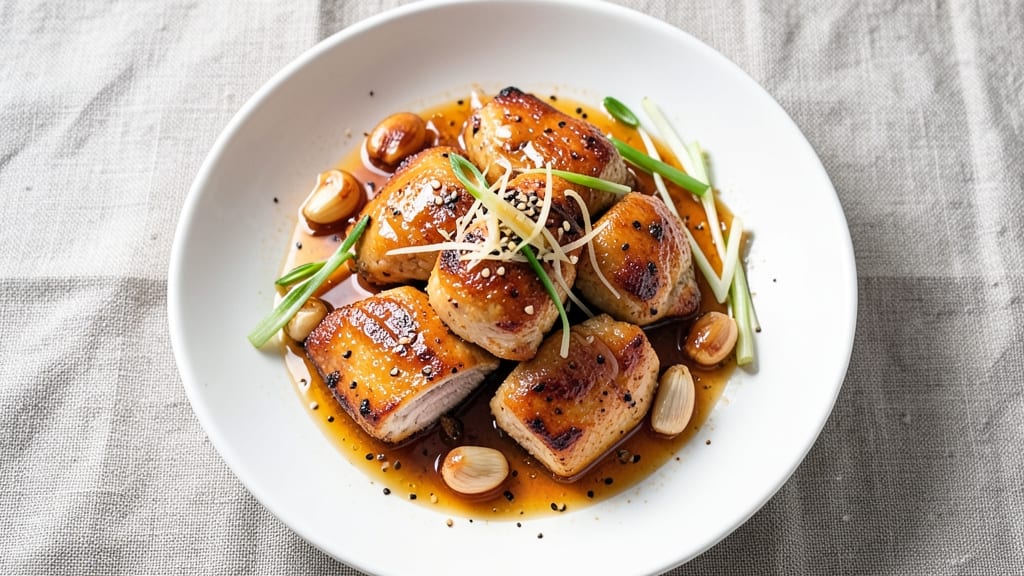
This baked orange chicken recipe delivers restaurant-quality flavor without breading—just tender meat caramelized by a sticky, tangy glaze that clings to every bite. The secret lies in marinating the chicken overnight, allowing the citrus and spices to penetrate deeply before baking at a precise 400°F for 30 minutes.
No frying required, yet the result is crisp edges and juicy centers that defy expectations.
What sets this recipe apart is the glaze—a perfect balance of sweet, sour, and aromatic spices that creates a caramelized crust while keeping the meat moist. I developed this version after testing countless methods, ensuring the sauce doesn’t just coat the chicken but actually infuses the meat with flavor.
The honey-orange combination adds depth, while a touch of ginger and garlic elevates it beyond basic sweet-and-sour.
By the time you pull this dish from the oven, you’ll have golden-brown chicken with a glaze so rich it practically melts into each bite. The sauce reduces perfectly in the oven, creating pockets of flavor that make every piece worth savoring.
Serve with steamed rice or roasted vegetables to let the chicken shine as the star.
This method is ideal for weeknight dinners or meal prep—just marinate ahead, bake when ready, and enjoy a dish that tastes like it came from a wok, not an oven.
The best part? No breading means no messy frying, and the glaze is easy to adjust for spice preferences. Let’s get cooking!
Ingredients for baked orange chicken recipe no breading
Pantry staples plus fresh citrus and ginger—this list delivers restaurant-quality flavor without the fuss.
| Ingredient | Amount | Notes |
|---|---|---|
| Boneless, Skinless Chicken Thighs 🍗 | 1 ½ lb | Cut into 1-inch pieces |
| Fresh Orange Juice 🍊 | ¾ cup | Freshly squeezed preferred |
| Honey 🍯 | ½ cup | Wildflower or clover variety |
| Soy Sauce 🍶 | ¼ cup | Low-sodium preferred |
| Garlic Cloves 🧄 | 6 cloves | Minced for marinade |
| Fresh Ginger 🌿 | 1 tbsp | Grated finely |
| Brown Sugar 🍚 | ¼ cup | Packed firmly |
| Rice Vinegar 🍶 | 2 tbsp | White or seasoned |
| Sesame Oil 🫒 | 1 tbsp | Toasted sesame preferred |
| Cornstarch 🌾 | 1 tbsp | For glaze thickening |
| Salt 🧂 | 1 tsp | Kosher or sea salt |
| Black Pepper 🌶️ | ½ tsp | Freshly ground |
| Vegetable Oil 🫒 | 1 tbsp | For greasing pan |
| Green Onions 🧅 | 2 whole | Sliced for garnish |
The chicken thighs are non-negotiable here—bone-in would work, but boneless keeps prep simple. Trader Joe's and Costco usually have the best prices on bulk packs, and you can always ask the butcher to cut them for you. Fresh orange juice is a game-changer (none of that bottled stuff), but if you're in a pinch, freshly squeezed grapefruit juice works too. The ginger should smell bright and zesty—if it's musty, grab a new root. I always double-check the soy sauce label for low-sodium, since we're not balancing with extra salt here.
No honey? Maple syrup or agave works in a pinch, though honey has that unique depth. The cornstarch is key for getting that perfect glaze consistency—don't skip it. Fresh garlic and ginger are ideal, but dried works at half the amount if you're out. The sesame oil adds that authentic wok-house aroma, but toasted peanut oil is a solid backup. For the rice vinegar, seasoned vinegar adds a little umami boost without extra effort. And if you're worried about the glaze being too sweet, just add a splash more soy sauce—it balances everything perfectly.
Marinate the chicken overnight for maximum flavor, but if you're short on time, 2 hours minimum still works wonders. The glaze keeps well in the fridge for 5 days—just reheat gently with a splash of water. For meal prep, I portion the chicken into containers with a little extra glaze on top (it reheats beautifully). The green onions add freshness, but you can skip them if you're serving with a side salad that already has crunch. Always taste as you go—this glaze is forgiving, but you can adjust sweetness or tang to your preference.
Why You'll Love This Recipe
- No Breading, No Stress: The chicken thighs stay juicy without the hassle of dredging or frying—just toss them in a bowl with the marinade and let the oven do the work. I swear by this method when I’m too tired to deal with crumbs or deep-frying mess.
- Sweet-Savory Magic: That honey-orange glaze? It’s the secret weapon. The fresh orange juice cuts through the richness of the soy and honey, while the minced garlic cloves add a punch that makes this dish ridiculously addictive. My picky-eating partner actually asks for seconds.
- Meal Prep Hero: Between us, this is my go-to for busy weeks. The leftovers reheat like a dream—tender, sticky, and just as flavorful as day one. Pack it in lunches or freeze portions for those nights when takeout feels like too much effort.
- Budget-Friendly Feast: Chicken thighs are cheaper than breasts, and you’re using pantry staples like soy sauce and honey instead of specialty ingredients. Honestly, it’s the kind of recipe that makes me feel like I’m feeding a crowd without breaking the bank. (Yes, even on a Tuesday night.)
Step-by-step instructions for baked orange chicken with tangy glaze
Here's how to make restaurant-style orange chicken without breading—juicy meat with a sticky-sweet glaze.
Marinate the Chicken for Maximum Flavor
Cut the 1.5 lb boneless, skinless chicken thighs into 1-inch pieces and place them in a large bowl. In a separate small bowl, whisk together the 0.75 cup fresh orange juice, 0.25 cup soy sauce, 0.5 cup honey, 0.25 cup packed brown sugar, 2 tbsp rice vinegar, 1 tbsp finely grated fresh ginger, and 6 minced garlic cloves. Pour this marinade over the chicken and toss gently to coat evenly.
Cover the bowl and refrigerate for at least 30 minutes—this lets the flavors penetrate deeply. I like to marinate for up to 4 hours if I have time, but even 30 minutes makes a difference. The acid in the orange juice and vinegar will tenderize the chicken while the honey and soy sauce build that signature sweet-savory flavor.
Prep the Glaze and Preheat the Oven
In a small bowl, mix together the 1 tbsp cornstarch, 1 tsp salt, and 0.5 tsp black pepper. This will help thicken the glaze later. Preheat your oven to 375°F and grease a 9x13-inch baking dish with 1 tbsp vegetable oil—this prevents sticking and makes cleanup easier.
While the oven heats, transfer the marinated chicken to the prepared baking dish, spreading it out in a single layer. The pieces should have room to brown without crowding. If you notice any excess marinade pooling at the bottom, pour it over the chicken—every drop of that flavorful liquid counts.
Bake Until Glossy and Caramelized
Bake the chicken for 25 minutes uncovered. After this initial baking, you'll want to check for doneness—press a piece of chicken gently with a fork. If it's still slightly undercooked in the center, bake for another 5 minutes. The goal is 165°F internal temperature with juices running clear.
Here's where the magic happens: After the initial baking, increase the oven temperature to 425°F. This high heat helps caramelize the glaze and creates those beautiful sticky pockets. Return the chicken to the oven for 10-12 minutes until the glaze is deep amber and bubbling. Watch closely in the last few minutes—you want it glossy, not burnt.
Finish with Sesame Oil and Garnish
Remove the chicken from the oven and drizzle each piece with 1 tbsp sesame oil. Toss gently to coat, then transfer to a serving platter. The sesame oil adds an extra layer of nutty aroma and helps the glaze cling even better. Let the chicken rest for 5 minutes—this gives the juices time to redistribute so every bite stays moist.
Slice the 2 whole green onions into thin rings and sprinkle them over the top for freshness. Serve immediately while the glaze is still sticky and the chicken is piping hot. The contrast of the tangy-sweet glaze with the juicy meat is what makes this dish so addictive—don't skip the sesame oil finish, it's the secret weapon.
Pro Tips For Making Baked Orange Chicken Recipe No Breading
- Preheat Like a Pro: Your oven should hit 425°F (220°C) and stay there for 10 full minutes before the chicken goes in—no exceptions. I learned this the hard way when my first batch came out undercooked because I rushed. That extra heat jump-sears the edges while keeping the thighs juicy inside.
- Juice It Fresh: Skip bottled orange juice—use 1/2 cup fresh-squeezed juice from 2-3 oranges (Navel or Valencia work best). The pulp adds texture, and the acidity cuts through the honey’s sweetness better than anything store-bought. (Yes, even if you’re impatient like me.)
- Salt the Chicken First: Generously season the thighs with 1/2 teaspoon salt per pound before marinating—let them sit for 15 minutes uncovered. This guarantees the soy sauce and honey penetrate deeper, not just cling to the surface. I skip this, and the flavor feels flat.
- Deglaze the Pan: After baking, simmer the pan juices with 1 tablespoon water for 2 minutes to turn them into a glossy glaze. Spoon it over the chicken right before serving—it’s the difference between "good" and "restaurant-quality." (Does it look weird? Yes. Does it work? Every single time.)
Pro cooking tips for baked orange chicken recipe no breading
Marinade Mastery
The key to tender, flavorful chicken starts with marinating for at least 4 hours—overnight is ideal. I always use fresh orange juice (not bottled) because the acidity breaks down the chicken fibers while the honey and soy sauce infuse deep flavor.
For extra tenderness, add 1 tbsp lemon juice to the marinade—it brightens the citrus notes and prevents the chicken from absorbing too much oil. 🍊
Pro tip: If you're short on time, marinate for just 30 minutes in the fridge, then bake immediately. The chicken won't be as tender, but the glaze will still cling beautifully. For best results, use a ziplock bag for marinating—it ensures even coating and minimizes mess.
Glaze Consistency Secrets
The glaze should be thick enough to coat the chicken but still flow when tossed. I start by mixing 1 tbsp cornstarch with 2 tbsp cold water to create a slurry—this prevents lumps when added to the sauce.
If your glaze is too thin, simmer it uncovered for 3-5 minutes until it thickens slightly. For extra richness, add 1 tsp toasted sesame oil to the glaze before baking.
Watch the glaze like a hawk during the final 10 minutes of baking—it should bubble and darken to a deep amber. If it starts to burn, tent the dish with foil and reduce the oven temperature to 375°F until it's safe.
The perfect glaze is sticky but not syrupy, with pockets of caramelized flavor.
High-Heat Caramelization
After the initial 25 minutes at 375°F, crank the oven to 425°F to create a caramelized crust. This high-heat step is what transforms the glaze from sticky to irresistibly glossy.
I use a wire rack on a baking sheet for the final phase—it allows heat to circulate evenly around the chicken, preventing soggy spots.
For even browning, rotate the baking dish halfway through the final 10 minutes. If your oven runs hot, reduce the time to 8 minutes to avoid over-browning. The goal is a deep amber glaze with crisp edges—this is where the Maillard reaction creates those complex, savory notes.
Resting for Juiciness
Never skip the 5-minute rest after baking—this allows the juices to redistribute throughout the chicken. I like to transfer the chicken to a cutting board lined with paper towels to catch any excess glaze.
If you're serving immediately, drizzle with 1 tsp sesame oil right before plating to enhance the aroma.
For meal prep, let the chicken cool completely before storing in an airtight container. Reheat gently in the oven at 350°F for 10-15 minutes—microwaving can make the glaze watery. The flavors actually improve overnight, making this dish perfect for leftovers.
Nutrition facts
Frequently asked questions
Can I use chicken breast instead of thighs for this recipe?
Chicken breast works, but thighs are ideal because they stay juicier during baking. If using breast, cut into ½-inch thick pieces and bake for 15-20 minutes at 375°F before increasing heat. The glaze will still stick beautifully, but breasts dry out faster. For best results, marinate for 4+ hours and avoid overcooking.
How do I adjust the glaze to be less sweet?
Reduce the honey by 2 tbsp and add 1 tbsp rice vinegar or 1 tsp fresh lime juice to balance sweetness. For extra tang, increase soy sauce by 1 tbsp. Taste the glaze before baking—it should have a perfect harmony of sweet, sour, and umami. The cornstarch keeps it thick without adding sweetness.
Can I make this recipe ahead of time?
Marinate the chicken 1-2 days ahead and store in the fridge. Bake when ready, or assemble the dish 1 day ahead and refrigerate. Reheat at 350°F for 15 minutes to restore crispness. The glaze actually improves overnight as flavors meld. For leftovers, drizzle with a little extra sesame oil before reheating.
Why is my glaze too runny after baking?
This usually happens when the cornstarch isn't fully activated. Mix 1 tbsp cornstarch with 2 tbsp cold water before adding to the sauce, and simmer for 2-3 minutes until thickened. If it's still too thin, bake uncovered for 5 extra minutes at 425°F—the high heat helps reduce the glaze naturally. Avoid adding more cornstarch directly to the pan.
What are the best sides to serve with this dish?
Steamed jasmine rice or egg fried rice soaks up the glaze beautifully. For contrast, try stir-fried bok choy, cucumber salad, or roasted sweet potatoes. The bright flavors cut through the richness of the chicken. For a complete meal, add steamed broccoli or mandarin orange segments to echo the citrus notes in the dish.