
Main Courses
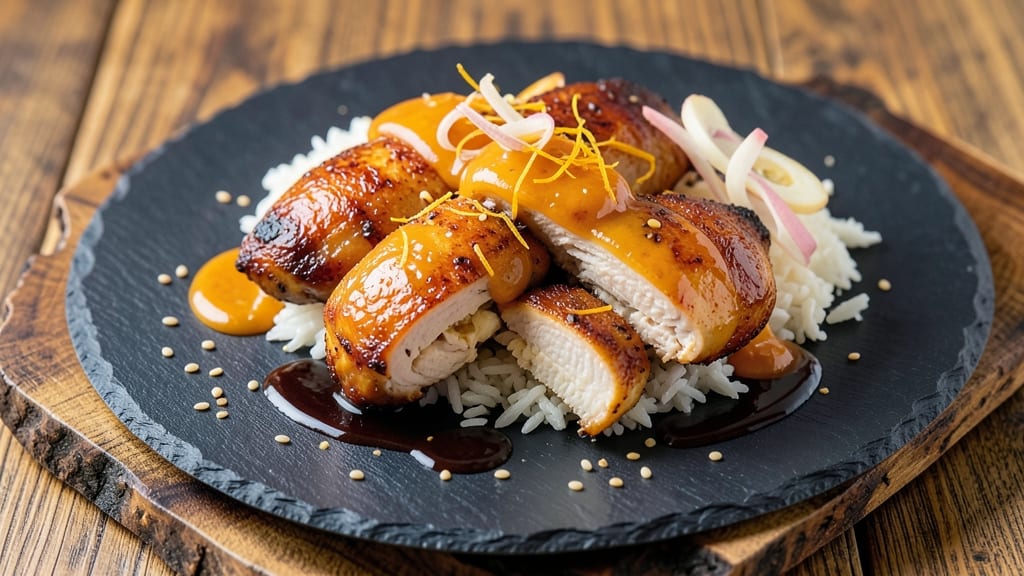
This baked orange chicken thighs recipe delivers restaurant-quality results with a glazed caramelized exterior that cracks under pressure, revealing juicy, tender meat inside. 🔥 The secret lies in balancing sweet and savory through a marinade that tenderizes while building flavor—something I perfected during my time in Charleston, where citrus and heat create magic.
No deep-frying required, just a simple baking technique that transforms ordinary chicken into something unforgettable.
The process starts with a marinade that combines fresh orange juice, garlic, and a touch of ginger—simple ingredients that work together to infuse the chicken with bright, aromatic flavors.
What sets this recipe apart is the baking method: high heat initially to create that caramelized crisp, then a slow finish to ensure the meat stays moist and flavorful.
The result is a dish that's equally at home on a weeknight table or as the centerpiece of a holiday feast.
By the time these thighs emerge from the oven, you'll have golden, sticky edges that practically melt in your mouth, while the interior remains perfectly tender. The orange glaze adds a subtle sweetness that balances the savory seasoning, creating a harmony of flavors that's both comforting and exciting.
This is the kind of recipe that turns a simple dinner into an experience—one that will have everyone asking for seconds.
Pair these with steamed greens or roasted vegetables to complete the meal, or serve over rice for a more substantial dish. The technique is straightforward, but the results are anything but ordinary. Let's get started on creating these juicy, caramelized masterpieces.
Ingredients for baked orange chicken thighs
Restaurant-quality caramelized chicken starts with these bright, aromatic ingredients.
| Ingredient | Amount | Notes |
|---|---|---|
| Boneless, Skinless Chicken Thighs 🍗 | 1 ½ lb | Medium-sized, even thickness preferred |
| Fresh Orange Juice 🍊 | 1 cup | From freshly squeezed oranges |
| Garlic Cloves 🧄 | 6 cloves | Minced for marinade |
| Fresh Ginger 🌿 | 1 tbsp | Grated, aromatic variety preferred |
| Low-Sodium Soy Sauce 🍶 | 2 tbsp | For umami depth |
| Brown Sugar 🍯 | 2 tbsp | Light or dark variety |
| Extra-Virgin Olive Oil 🫒 | 2 tbsp | For marinade and baking |
| Diamond Crystal Kosher Salt 🧂 | 1 ½ tsp | For seasoning and marinade |
| Ground Black Pepper 🌶️ | ½ tsp | Freshly ground preferred |
| Cornstarch 🌾 | 1 tbsp | For crispy coating |
| Honey 🍯 | 1 tbsp | For glaze sweetness |
| Orange Zest 🍊 | 1 tbsp | From same oranges as juice |
| Sesame Oil 🫒 | ½ tsp | For finishing aroma |
The chicken thighs are the foundation—medium-sized and even thickness ensures consistent cooking. Look for thighs with good marbling for extra juiciness. Local butchers often have better quality than supermarket packages, but the pre-packaged ones work fine if they're fresh. For the orange juice, freshly squeezed is ideal—the acidity tenderizes while the sweetness caramelizes beautifully. If using bottled, choose 100% orange juice with no added sugars. The ginger should be freshly grated for that bright, zesty punch that balances the sweetness perfectly.
No fresh ginger? Substitute with 1 teaspoon ground ginger, but it won't have the same depth. Running short on orange juice? Grapefruit juice works in a pinch, though it'll add a slightly bitter note. The honey in the glaze can be swapped for maple syrup if you prefer, though honey adds a subtle floral complexity. For the soy sauce, tamari works for gluten-free, but traditional soy sauce gives that authentic umami kick. The cornstarch coating is non-negotiable—it's what creates that shatteringly crisp exterior that's the hallmark of this recipe. If you're out, arrowroot powder works just as well.
Marinate the chicken for at least 4 hours (overnight is best) to maximize tenderness. Store any leftover marinade in an airtight container in the fridge for up to 3 days, though it's best used immediately for maximum flavor. The cooked chicken keeps well in the fridge for 3 days—reheat gently in the oven to maintain that crispy texture. For meal prep, portion the thighs into single-serving containers with a side of steamed rice; they reheat beautifully and make for quick lunches. The glaze can be made ahead and reheated separately if needed.
Why You'll Love This Recipe
- Fewer Messy Bowls: I swear by this recipe because it’s all on one tray—no chopping boards covered in sticky sauce or three pots to clean. Just toss the thighs in the marinade (orange juice, ginger, soy sauce—so simple), slap it on a sheet pan, and bake. That’s it. My counters stay clear, and my sanity too.
- Tangy Crisp Magic: The moment those thighs hit the oven, the orange juice caramelizes into this sticky, slightly crispy glaze while the garlic and ginger work their magic underneath. It’s not just sweet—it’s bright and savory, with that perfect chewy edge that makes you reach for seconds. (Yes, even on a Tuesday night.)
- Leftover Goldmine: I make a double batch on purpose—this dish reheats like a dream for lunchboxes, office meals, or when you suddenly remember you’re hosting people. The flavors only get better the next day, and the thighs stay juicy. Honestly, it’s my go-to for lazy Sundays or when I forget to plan.
- Budget-Friendly Protein: Chicken thighs are the smart choice here—cheaper than breasts, juicier than takeout, and this recipe makes them feel fancy without breaking the bank. A few dollars’ worth of fresh ginger and a bottle of orange juice stretch to feed four (or two very hungry people). Plus, the low-sodium soy sauce keeps it balanced without the salt bomb.
Step-by-step instructions for baked orange chicken thighs
Here's how to achieve perfectly juicy meat with caramelized crust—every time.
👨🍳 Step 1: Marinate for Maximum Flavor and Tenderness
In a large bowl, combine the 1 cup fresh orange juice, 2 tbsp low-sodium soy sauce, 2 tbsp brown sugar, 2 tbsp extra-virgin olive oil, 1.5 tsp kosher salt, 0.5 tsp ground black pepper, 6 cloves minced garlic, 1 tbsp grated ginger, and 1 tbsp orange zest. Whisk vigorously until the sugar dissolves completely—this ensures even distribution of all flavors.
Add the 1.5 lb boneless, skinless chicken thighs to the marinade, turning to coat thoroughly. Place plastic wrap directly on the surface of the marinade to eliminate air pockets, then refrigerate for at least 4 hours or up to 12 hours. The acid in the orange juice will begin breaking down the proteins, while the sugar and soy sauce penetrate the meat, guaranteeing that juicy texture you're after.
🍳 Step 2: Create the Crispy Cornstarch Coating
Remove the chicken from the marinade (reserve the marinade for later) and pat each piece dry with paper towels—this is crucial for adhesion. In a shallow dish, combine the 1 tbsp cornstarch with 1 tbsp honey and 0.5 tsp sesame oil. Toss the chicken pieces until they're completely and evenly coated, pressing gently to ensure the cornstarch sticks to all surfaces.
Let the coated chicken rest for 10 minutes at room temperature while you preheat your oven to 425°F. This resting period allows the cornstarch to form a stable coating rather than absorbing into the meat. Arrange the chicken pieces on a wire rack set over a baking sheet lined with parchment paper—this promotes even browning on all sides.
🔥 Step 3: Bake for Perfect Caramelization
Place the baking sheet in the preheated oven and bake for 20 minutes, flipping the chicken halfway through (after 10 minutes) to ensure even browning. You're looking for skin that's deep golden brown with visible caramelization—this indicates the cornstarch has transformed into a crispy, crackly crust while the honey creates that beautiful glaze.
During the last 5 minutes of baking, carefully pour the reserved marinade over the chicken. The high heat will cause the liquid to reduce and caramelize, creating a sticky, flavorful glaze that clings beautifully to the crispy exterior. Watch closely—the marinade should bubble and darken slightly as it reduces.
⏰ Step 4: Rest and Serve for Maximum Juiciness
Remove the chicken from the oven and let it rest on the baking sheet for 5 minutes before transferring to a serving platter. This resting period is essential—it allows the juices to redistribute throughout the meat rather than pooling in the center. The skin will remain crispy while the interior stays impossibly tender.
Serve immediately with the caramelized glaze spooned over the top. The contrast of crispy skin, juicy meat, and sweet-tangy glaze makes every bite unforgettable. For extra presentation, garnish with additional orange zest or a drizzle of sesame oil—this adds both visual appeal and an aromatic finish.
Pro Tips For Making Baked Orange Chicken Thighs
- Marinate Overnight: I used to rush the marinade, thinking an hour was enough—wrong. The acid in orange juice needs time to tenderize those tough thighs. Toss them in the marinade (juice, soy, garlic, ginger) and let them sit at least 6 hours, or overnight if you can. The longer they soak, the juicier the final bite.
- Don’t Skip the Rest: After baking, resist the urge to cut into the thighs right away. Let them rest 5-10 minutes under foil—this keeps the juices from spilling out when you slice. I learned this the hard way when my first batch turned out dry and sad.
- Use Fresh Ginger: Dried ginger works in a pinch, but fresh makes a real difference here. Grate it fine (about 1 tablespoon) and let it sit in the marinade for 10 minutes before adding the chicken. The oils release better, and the flavor is sharper—no bitter aftertaste.
- Bake at 400°F: Too low, and the sauce turns gloppy; too high, and the edges burn before the center cooks. Stick to 400°F for 25-30 minutes, flipping halfway. The thighs stay juicy, and the orange glaze caramelizes just enough to stick without burning. (Yes, even if you’re impatient like me.)
Wine and beer pairings for these flavors
Bright White Wine
For this citrus-forward dish, I reach for a crisp Sauvignon Blanc from New Zealand—think Cloudy Bay or Oyster Bay. The wine's zesty acidity and bright citrus notes mirror the orange glaze, creating a perfect harmony.
The slight herbal undertones in Sauvignon Blanc also complement the ginger in the marinade beautifully. Serve slightly chilled to enhance the refreshing contrast with the rich, caramelized chicken. 🍷
Light-Bodied Reds
If you prefer red wine, opt for a Pinot Noir from Oregon's Willamette Valley—Domaine Serene or La Crema are my go-tos. The wine's delicate fruitiness and subtle earthiness won't overpower the dish but instead enhance the umami from the soy sauce.
The acidity in these wines helps cut through the sweet glaze, balancing the overall flavor profile. Let it breathe for 10 minutes after opening to release its aromas fully.
Asian-Inspired Beer
A Japanese lager like Sapporo or Asahi pairs wonderfully with this recipe. The clean, crisp profile lets the chicken shine while adding a subtle malt sweetness that complements the orange glaze.
For something with a bit more character, try a Belgian witbier—the coriander and orange peel notes in Hoegaarden create a delightful echo of the dish's citrus flavors. Serve these beers well-chilled for the best experience. 🍺
Cocktail Pairings
For a refreshing non-alcoholic option, I love serving a gin and tonic with a twist. Add a splash of fresh orange juice and a few drops of sesame oil to the tonic for a cocktail that mirrors the dish's flavors.
If you prefer something stronger, a Sazerac with its herbal notes and sweetness provides an unexpected but delightful pairing. The whiskey's caramel undertones complement the glaze beautifully.
Seasonal Adaptations
In summer, I often serve this dish with a sparkling rosé—its effervescence cleanses the palate between bites. For fall and winter, a dry Riesling from Germany adds a touch of spice that pairs wonderfully with the ginger in the marinade.
The wine's slight sweetness balances the savory and sweet elements of the dish perfectly, making it a versatile choice year-round.
Nutrition facts
Frequently asked questions
Can I use bone-in chicken thighs instead of boneless?
Yes, but adjust your baking time! Bone-in thighs take about 5-10 extra minutes at 425°F to reach 165°F internally. Place them skin-side up on the rack to ensure even browning. The bones actually help keep the meat juicier during cooking, so it's worth trying if you prefer the traditional method.
What if I don't have fresh orange juice?
Use 100% orange juice concentrate (thawed) or bottled orange juice with no added sugars. For extra brightness, add 1 tsp orange zest to the marinade. If using concentrate, dilute it with water to match the acidity of fresh juice. The flavor won't be identical, but it'll still work beautifully in the glaze.
Can I make this recipe in an air fryer?
Preheat your air fryer to 375°F and cook the cornstarch-coated thighs for 12-15 minutes, flipping halfway. The high heat creates similar caramelization, though you may need to add 1 tsp extra honey to the marinade for the glaze. Spray with oil before air frying to prevent sticking. The result will be just as crispy with less mess!
Why did my chicken turn out dry?
Most likely, you skipped the resting period or overcooked it. Always rest chicken for 5 minutes after baking to redistribute juices. Use a meat thermometer to check for 165°F—don't rely on visual cues alone. For extra moisture, marinate the chicken for 12 hours instead of just 4, and avoid cutting into it immediately after baking.
How can I make this gluten-free?
Replace the soy sauce with tamari (gluten-free soy sauce) and ensure your cornstarch is certified gluten-free. The rest of the recipe remains unchanged. For added crispiness, toss the coated chicken in 1 tbsp arrowroot powder** instead of cornstarch. The flavor profile stays vibrant while accommodating dietary needs.