
Main Courses
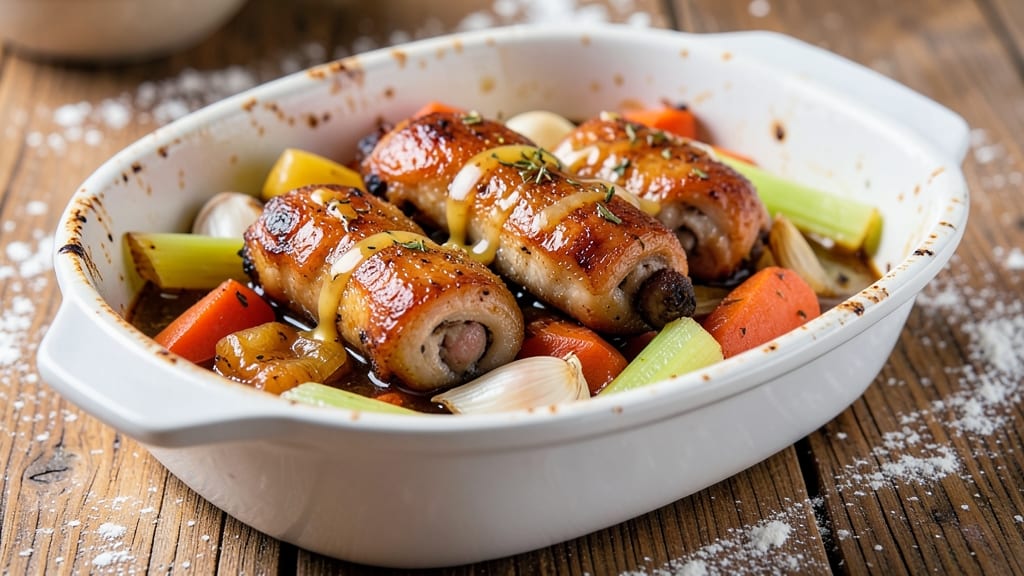
Boiling chicken gizzards transforms tough offal into tender, savory bites that deserve a place at your dinner table. This method preserves natural flavors while ensuring every piece is perfectly cooked—no waste, just pure satisfaction. The secret lies in proper preparation and a gentle simmer that breaks down collagen without overcooking.
Start with fresh gizzards, cleaned and trimmed of excess fat, then simmer them in lightly seasoned broth for about 45 minutes. The result is fork-tender meat with a rich, meaty texture that pairs beautifully with classic sides. This technique turns what many consider scraps into a restaurant-quality centerpiece.
Serve these gizzards with buttery mashed potatoes, crusty bread, or a tangy gravy to soak up every last bit of flavor. The simplicity of the method makes it accessible, while the depth of flavor ensures it feels special.
Perfect for hearty meals or when you want to make the most of your poultry.
This approach isn’t just practical—it’s transformative, turning simple ingredients into something truly memorable. The process is straightforward, but the payoff is undeniable: tender, flavorful gizzards that prove even offal can shine when prepared with care.
Ingredients for boil chicken gizzards
Fresh gizzards and simple pantry staples create restaurant-quality flavor from humble ingredients.
| Ingredient | Amount | Notes |
|---|---|---|
| Chicken Gizzards 🍗 | 1 ½ lb | Fresh, cleaned, excess fat trimmed |
| Yellow Onion 🧅 | 1 whole | Quartered for broth base |
| Carrots 🥕 | 2 medium | Whole, peeled, cut into chunks |
| Celery Stalks 🥬 | 2 whole | Cut into 1-inch pieces |
| Garlic Cloves 🧄 | 4 cloves | Smashed for flavor infusion |
| Chicken Broth 💧 | 4 cups | Low-sodium preferred |
| Bay Leaves 🌿 | 2 whole | Fresh for optimal flavor |
| Black Peppercorns 🌶️ | 1 tsp | Crushed for even distribution |
| Salt 🧂 | 1 ½ tsp | Kosher or sea salt |
| Fresh Thyme 🌿 | 2 sprigs | Or 1 tsp dried thyme |
| Lemon Juice 🍋 | 1 tbsp | Freshly squeezed |
| Olive Oil 🫒 | 1 tbsp | For finishing drizzle |
| Fresh Parsley 🌿 | ¼ cup | Chopped for garnish |
The gizzards are the star, so quality matters. Local butchers often sell them fresh for less than premium cuts, and they're usually cleaned and ready to cook. Look for bright red color and minimal fat—anything grayish or slimy should be avoided. If you're buying whole, trim excess connective tissue carefully (it's where the flavor hides). Costco and Whole Foods typically carry pre-cleaned gizzards in the poultry section. For the broth base, low-sodium chicken broth is essential—it lets the natural meat flavors shine without overpowering. If you're making your own, use the onion, carrots, and celery as your mirepoix foundation.
No fresh thyme? Dried works at one-third the amount, but fresh has that bright, floral note that's perfect here. Short on lemon juice? White wine vinegar at half the quantity gives similar acidity. The carrots and celery can be swapped for fennel or leeks if you prefer, but stick to roughly equal parts for balance. For the peppercorns, crushing them lightly before adding ensures even distribution throughout the broth. If you're using dried herbs, toast them briefly in a dry pan to deepen their flavor—just 30 seconds makes a difference. The olive oil finishing touch isn't just for flavor; it helps create a beautiful sheen on the gizzards when served.
Simmered gizzards keep beautifully in the fridge for 4 days if stored in their cooking liquid. For longer storage, portion into airtight containers and freeze for up to 3 months. The broth reduces as it cooks—save any extra and use it for soups or gravies. When reheating, add a splash of water or broth to prevent drying out. These gizzards reheat wonderfully, making them perfect for meal prep. For serving, a drizzle of olive oil and fresh parsley elevates them instantly—worth the extra minute of garnishing.
Why You'll Love This Recipe
- One-Pot Magic: I swear by this recipe—just toss everything into a pot, add water, and walk away. No fancy techniques, no stress. That celery and onion base builds flavor while you do whatever else needs doing.
- Rich, Deep Satisfaction: Between us, gizzards have a texture and richness that’s hard to beat. The garlic cloves and carrots caramelize just enough to make every bite feel like a hug—especially when they’re tender but still hold their shape.
- Budget Meal Hero: Honestly, chicken gizzards are one of the most affordable protein sources out there. A pound feeds four, and the veggies stretch that broth into a full meal. My wallet and my family thank me every time.
- Leftovers? Even Better: Between us, this dish tastes better the next day. The flavors meld into something even richer, and it reheats in minutes. I always make extra—whether for lunches or to freeze for lazy days. (Yes, even on a Tuesday night.)
Step-by-step instructions for savory simmered chicken gizzards
Transform tough gizzards into tender, flavorful bites using this simple simmering method.
Prepare the Gizzards and Aromatics
Rinse the 1.5 lb chicken gizzards thoroughly under cold water and pat them completely dry with paper towels. This step is critical—any moisture left on the gizzards will prevent proper browning and create steam instead of a flavorful crust. Trim any excess fat using kitchen shears, leaving just a thin layer for flavor.
In a large, heavy pot, heat the 1 tablespoon olive oil over medium-high heat. Add the gizzards in a single layer, being careful not to overcrowd the pot. Cook them undisturbed for 3-4 minutes until they develop a golden-brown crust on all sides. This initial searing locks in juices and builds deep flavor. Flip the gizzards as needed, but resist the urge to move them too frequently—this ensures even browning.
Build the Flavor Base
Once the gizzards are browned, remove them from the pot and set them aside. In the same pot, add the 1 whole yellow onion (quartered), 2 medium carrots (cut into chunks), and 2 whole celery stalks (cut into 1-inch pieces). Cook these vegetables over medium heat for 5 minutes, stirring occasionally, until they begin to soften and release their natural sweetness.
Add the 4 cloves garlic (smashed) and cook for an additional 30 seconds until fragrant. This step infuses the vegetables with garlic's pungent aroma, which will later meld into the broth. Sprinkle in the 1 tsp black peppercorns (crushed) and 1.5 tsp salt, stirring to combine. The crushed peppercorns will release their flavor gradually as the broth simmers, while the salt enhances the natural taste of the vegetables.
Simmer the Gizzards
Pour in the 4 cups chicken broth, ensuring all the browned bits from the bottom of the pot are lifted and incorporated. Add the 2 whole bay leaves and 2 sprigs fresh thyme, then return the gizzards to the pot. Bring the mixture to a gentle boil over high heat, then immediately reduce the heat to low to maintain a barely simmering state. Cover the pot with a lid and let it cook for 45-50 minutes.
Here's the key: the gizzards are done when they're fork-tender with no resistance. You'll know they're ready when a knife slides in easily and the meat pulls apart cleanly. If the broth reduces too quickly, add ½ cup hot water to keep the gizzards submerged and prevent drying. Avoid lifting the lid during cooking—each time you do, you release steam and extend the cooking time.
Finish and Serve
Once the gizzards are tender, remove them from the pot using a slotted spoon and transfer them to a serving platter. Strain the broth if you prefer a clear presentation, or leave it as-is for a heartier dish. Stir the 1 tablespoon lemon juice into the remaining broth to brighten the flavors and cut through any richness. Taste and adjust the seasoning with additional salt if needed.
Drizzle the gizzards with the 1 tablespoon olive oil and garnish with the 0.25 cup chopped fresh parsley just before serving. The parsley adds a fresh contrast to the rich, savory gizzards, while the olive oil enhances their tenderness. Serve the gizzards warm with the infused broth on the side, or use the broth as a base for soups, sauces, or grains. Each bite should be tender with a crispy exterior, infused with the aromatic flavors of the vegetables and herbs.
Pro Tips For Making Boil Chicken Gizzards
- RINSE GIZZARDS FIRST: Cold water does more than clean—it removes that bitter, metallic residue stuck to the surface. I used to skip this, and the first bite always tasted off. Give them a good 30-second soak, then pat very dry before cooking.
- START WITH COLD WATER: Dumping gizzards into boiling water locks in toughness. Instead, cover them with cold water, bring to a rolling boil, then reduce to a simmer. This makes them tender without falling apart—trust me, I’ve ruined batches by rushing.
- CUT ONIONS LARGE: Tiny diced onions dissolve into mush and turn the broth cloudy. Use 2-inch chunks—they’ll soften but stay intact, adding real flavor without turning the liquid into soup. (Yes, even if it looks lazy.)
- SIMMER, DON’T BOIL: A gentle simmer (tiny bubbles, occasional skimming) keeps gizzards from toughening up. I learned this the hard way—once I boiled them like pasta, and they came out chewy. Aim for 45–60 minutes at low heat.
Flavor customization for this dish
Classic Herb Infusion
Start with the base recipe's aromatic blend of thyme, bay leaves, and crushed black peppercorns—this trio creates a fragrant, earthy foundation. For an extra layer of depth, add 1 sprig fresh rosemary or ½ tsp dried oregano during the simmer.
The rosemary brings piney brightness, while oregano adds a Mediterranean warmth that pairs beautifully with the gizzards' natural richness. I like to toast the rosemary sprig in the pot for 30 seconds before adding broth to release its essential oils. 🌿
Smoky Chipotle Heat
Transform your gizzards into smoky, spicy bites by adding 1-2 chipotle peppers in adobo sauce (minced) and 1 tsp ground cumin to the broth. Simmer the gizzards for 5 extra minutes to let the flavors meld.
For a smoky finish, drizzle with 1 tbsp adobo sauce and garnish with chopped cilantro before serving. This variation works especially well with warm corn tortillas or over black beans for a Tex-Mex-inspired dish.
Garlic & Lemon Brightness
Boost the dish's freshness by doubling the garlic to 8 cloves and adding 2 tbsp lemon zest to the broth. After simmering, finish with an extra 2 tbsp fresh lemon juice and a sprinkle of flaky sea salt.
The bright acidity cuts through the gizzards' richness, making each bite feel lighter yet more vibrant. Serve with a simple arugula salad tossed in lemon vinaigrette for a refreshing contrast. 🍋
Creamy Mushroom Depth
For a luxurious twist, sauté 8 oz sliced cremini mushrooms with the onions and carrots in Step 2. After simmering, stir in ¼ cup heavy cream or ½ cup coconut milk during the final 10 minutes of cooking.
The mushrooms add umami, while the cream creates a velvety broth that coats the gizzards. Garnish with chopped chives and serve with crusty bread for dipping. This version feels restaurant-worthy while keeping the prep simple. 🍄
Spiced North African
Infuse the broth with 1 tsp ground coriander, ½ tsp ground cinnamon, and ¼ tsp cayenne pepper for a warm, exotic flavor profile. Add 1 cinnamon stick during simmering and remove before serving.
Finish with a drizzle of harissa sauce and a sprinkle of toasted pine nuts for crunch. This variation pairs perfectly with couscous or warm pita bread, transporting your meal to a Moroccan-inspired feast. 🌶️
Umami Miso Glaze
For an umami-packed finish, whisk 1 tbsp white miso paste into the broth during the last 15 minutes of simmering. After cooking, brush the gizzards with the miso-infused broth and broil for 2-3 minutes to create a glossy, caramelized glaze.
Garnish with sesame seeds and sliced scallions. This Japanese-inspired twist adds a savory depth that elevates the dish to new heights. 💫
Nutrition facts
Frequently asked questions
Why do I need to trim the fat from chicken gizzards before boiling?
Trimming excess fat ensures your gizzards cook evenly and develop a golden crust instead of steaming. Fat can make the broth greasy and prevent proper browning, which builds deep flavor. The thin layer of fat you leave actually enhances the taste—just avoid thick chunks.
Can I use frozen chicken gizzards instead of fresh?
Yes, but thaw them completely in the refrigerator first—never at room temperature. Frozen gizzards may take 5-10 extra minutes to cook through. Pat them very dry before searing to prevent splattering. For best results, buy fresh and freeze any extras yourself.
What if my gizzards turn out rubbery instead of tender?
Overcooking is the most common cause—check doneness by piercing with a fork. If they're still firm, return them to the broth for 5-10 more minutes. Another fix: reduce the simmer time to 35-40 minutes next time and monitor closely. The broth should barely bubble, not boil vigorously.
How can I repurpose leftover boiled gizzards?
Shred them for tacos, blend into soups, or chop finely for pasta sauces. Store in the broth for 4 days in the fridge or freeze for 3 months. Reheat gently with a splash of water to prevent drying. For extra flavor, pan-sear reheated gizzards with garlic butter for crispy edges.
What's the best way to clean chicken gizzards before cooking?
Rinse thoroughly under cold water, then soak in ice water for 10 minutes to firm up. Scrub with a vegetable brush to remove any remaining debris, and pat completely dry. This step removes surface impurities and helps them brown better. Never use hot water—it can cook the outside before the inside.