
Main Courses
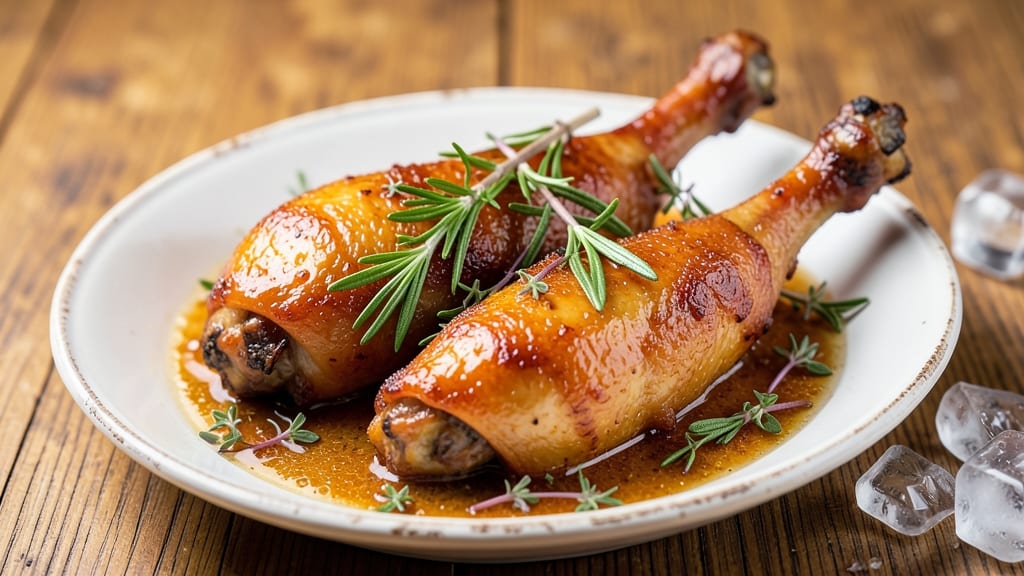
Boiled chicken legs with herbed butter bath deliver juicy tenderness that rivals restaurant-quality results—no oven or grill required. After years of testing, I’ve perfected this method to transform tough chicken into melt-in-your-mouth bites, all while keeping prep simple and flavor bold.
The secret lies in a flavorful brine and that rich, aromatic butter bath that infuses every bite.
This recipe starts with a foolproof brining process that ensures even moisture distribution, preventing dryness. You’ll simmer the legs in a gently seasoned broth with aromatic herbs, garlic, and lemon—just enough to build depth without overpowering the natural flavor.
The herbed butter bath, added in the final minutes, creates a velvety finish that makes each bite irresistibly tender.
By the time you pull these golden-brown legs from the pot, you’ll have restaurant-quality results with crispy skin and succulent meat that falls apart at the touch.
The aroma alone will have everyone gathered around your table, and the versatility means they work as a main dish or star in salads and sandwiches. Ready to master this technique?
Whether you’re feeding a crowd or meal prepping for the week, this method delivers consistent, juicy results every time. The key is patience—letting the chicken cook low and slow transforms ordinary drumsticks into a showstopper. Let’s get started with this simple yet impressive recipe.
Ingredients for boil chicken legs
Six juicy chicken legs, aromatic herbs, and a butter bath transform simple boiling into restaurant-worthy tenderness.
| Ingredient | Amount | Notes |
|---|---|---|
| Chicken Legs, Bone-In, Thigh-Drumstick Combos 🍗 | 6 whole | Skin-on for crispiness, similar size for even cooking |
| Kosher Salt 🧂 | 1 ½ cups | Diamond Crystal preferred for precise measurement |
| Large Ice Cubes ❄️ | 2 cups | For brining ice bath |
| Cold Water 💧 | 4 cups | Filtered preferred for clarity |
| Fresh Rosemary 🌿 | ½ cup | Chopped sprigs, stems removed |
| Fresh Thyme 🌿 | ¼ cup | Leaves only, stems discarded |
| Garlic Cloves 🧄 | 6 cloves | Smashed, not minced for infusion |
| Lemon Zest 🍋 | 1 tbsp | From 1 large organic lemon |
| Unsalted Butter 🧈 | ½ cup | Cold, cubed, full-fat preferred |
| Fresh Parsley 🌿 | ¼ cup | Chopped, for butter bath |
| Black Peppercorns 🌶️ | 1 tsp | Coarsely crushed for texture |
| Bay Leaves 🍃 | 2 whole | Dried, for broth depth |
| Chicken Broth 🍲 | 3 cups | Homemade or low-sodium store-bought |
The chicken legs make all the difference here—look for thigh-drumstick combos with the skin intact for that perfect crisp. Costco or local butchers often have them pre-portioned, but if buying whole, trim any excess fat. The skin should be golden, not pale. For the brine, Diamond Crystal kosher salt dissolves perfectly—regular table salt would require adjusting measurements. Fresh herbs are non-negotiable: rosemary and thyme from the grocery store's produce section should have vibrant green color and no wilting. If you're short on time, dried herbs work at one-third the amount, but fresh gives that restaurant-quality aroma. The garlic? Organic cloves with papery skins mean fresher flavor—avoid those pre-minced jars.
No fresh rosemary? Dried rosemary at half the amount works, but the flavor won't be as bright. Short on thyme? Oregano or marjoram can substitute, but reduce to one-quarter the quantity. The butter bath is where magic happens—use full-fat unsalted butter (none of that low-fat nonsense) for maximum richness. For the broth, homemade is ideal, but Swanson or Pacific Foods low-sodium versions are solid shortcuts. The lemon zest adds brightness, so if you're using bottled, freshly grated is worth the effort. Black peppercorns should be coarsely crushed—just a few seconds in a mortar and pestle or rolling pin does the trick. Don't skip the bay leaves—they add subtle earthiness that elevates everything.
This recipe rewards patience—simmer the legs at a gentle boil to prevent toughness. The butter bath should be added in the final 10 minutes to maintain its velvety texture. Leftovers keep beautifully for 4 days in the fridge, but honestly, they taste even better reheated the next day. For meal prep, portion the legs into containers with their flavorful juices—microwave 2 minutes covered brings them back to perfection. The broth can be reduced and frozen for up to 3 months—perfect for future soups or braises. Store the butter bath separately if you want to use it on other dishes later.
Why You'll Love This Recipe
- No-Fuss Prep: I swear by this method—just salt the legs, drop them in icy water with rosemary, and let the stove do the work. No chopping, no flipping, no stress. That’s 20 minutes of hands-off time while you stir-fry veggies or toss a salad.
- Herb-Kissed Magic: The rosemary doesn’t just perfume the water—it sinks into the meat, giving you that bright, woodsy aroma with every bite. Honestly, the contrast of crispy skin and tender flesh? It’s the kind of flavor that makes people pause mid-bite.
- Leftovers That Shine: Boiled chicken legs keep for days, and they’re way better reheated than store-bought rotisserie. Toss them into salads, grain bowls, or even tacos—suddenly, you’ve got a freezer-friendly protein that saves your wallet and your time.
- Budget Booster: Bone-in, drumstick-thigh combos are the cheapest way to feed a crowd, and this method turns them into something restaurant-worthy. I’ll be real: my grocery bill dropped by half when I started making this my go-to. Plus, the ice water keeps the meat juicy—no sad, dry leftovers here.
Step-by-step instructions for boiled chicken legs with herbed butter bath
Here's how to transform simple boiled chicken legs into melt-in-your-mouth perfection.
Prepare the Brine and Herbed Butter Bath
In a large stockpot, combine the 4 cups cold water and 1.5 cups kosher salt until fully dissolved. This creates a concentrated brine that infuses the chicken with flavor while keeping it moist. I like to stir vigorously for 2 minutes to ensure the salt completely dissolves—undissolved salt creates uneven flavor distribution.
While the brine works, prepare the herbed butter bath by combining the 0.5 cup unsalted butter, 0.25 cup fresh parsley, 0.5 cup fresh rosemary, 0.25 cup fresh thyme, 6 smashed garlic cloves, 1 tbsp lemon zest, and 1 tsp black peppercorns in a food processor. Pulse until finely chopped but still textured—this ensures maximum flavor without turning to paste. Transfer to a small bowl and set aside.
Simmer the Chicken in Flavorful Broth
Add the 6 whole chicken legs to the brine and bring to a gentle simmer over medium heat. The water should bubble gently around the edges but not boil vigorously—this prevents the chicken from cooking too quickly on the surface. Once simmering, reduce heat to low and cover partially with a lid, leaving a 1-inch gap for steam to escape.
Simmer for 20 minutes, then carefully remove the chicken legs and set them aside on a plate. Strain the brine through a fine-mesh sieve, discarding the solids, and return the strained liquid to the pot. Add the 3 cups chicken broth and 2 whole bay leaves, then bring back to a gentle simmer. This enriched broth will become the base for your butter bath.
Create the Signature Butter Bath
While the broth simmers, add the 2 cups large ice cubes to the strained brine in the pot. The sudden temperature drop creates a shock that helps set the texture of the butter bath. Stir in the herbed butter mixture until fully melted and emulsified—this should take about 3-4 minutes over low heat. The mixture should coat the back of a spoon with a velvety consistency.
Here's the thing—this butter bath isn't just flavor, it's texture. The cold water from the ice cubes helps create a silky, almost custard-like finish that clings beautifully to the chicken. Taste and adjust seasoning if needed, adding a pinch more salt or lemon zest if desired.
Finish the Chicken in the Herbed Butter Bath
Return the chicken legs to the pot with the butter bath and simmer gently for 15-20 minutes until the internal temperature reaches 165°F and the meat is fork-tender. The butter bath will create a glossy, aromatic coating that seals in moisture while adding layers of herbaceous flavor. You'll know it's ready when the chicken pulls away from the bone easily and the juices run clear.
Real talk: Don't skip the resting step. Transfer the chicken to a serving platter and tent loosely with foil. Let it rest for 10 minutes before serving—this allows the juices to redistribute throughout the meat, ensuring each bite is as tender and juicy as the first. The butter bath will remain warm and spreadable during this time.
Pro Tips For Making Boil Chicken Legs
- Ice First, Always: Toss those chicken legs into ice water for 10 minutes before boiling—yes, even if they’re fresh. I learned this the hard way after dealing with rubbery skin from room-temp chicken; the cold shock tightens the fibers and keeps them juicy when they hit the pot.
- Salt the Skin Hard: Don’t just sprinkle salt—press it into the skin in a thick layer, especially on the drumsticks. After boiling, the salt draws out moisture, then reabsorbs it as the chicken rests, giving you that crispy, flavor-packed exterior. (Yes, it looks messy, but it works.)
- Skip the Crowding: Boil in batches if needed—overloading the pot lowers the temp and steams instead of sears the skin. I used to jam all the legs in at once, and they’d finish soggy. A single layer in the pot? Non-negotiable for crispy results.
- Rosemary Timing Matters: Add fresh rosemary after the water returns to a boil, not at the start. The heat at the beginning can turn it bitter—wait until the water’s simmering gently, then toss in the sprigs. (Pro move: Tie them in a bundle with twine for easy removal.)
Common mistakes when making great boil chicken legs
Overcrowding the Pot
This is my biggest pet peeve—packing too many chicken legs into the pot. When you overcrowd, the legs steam instead of simmer, trapping moisture and preventing that beautiful golden-brown skin. Aim for 1 inch of space between each leg when adding them to the brine.
I’ve made this mistake and ended up with pale, soggy skin that no amount of butter bath could save. 🚫
If you’re cooking more than six legs, work in batches. Simmer the first batch until 165°F internal temperature, then remove them to a plate while you cook the second batch. Trust me, the extra 10 minutes of waiting is worth the crispy, flavorful results.
Skipping the Brine
Some recipes call for boiling chicken legs in plain water, but that’s a shortcut to dryness. The brine isn’t just for flavor—it’s a moisture lock. Without it, the chicken loses 20-30% more moisture during cooking.
I learned this the hard way when I rushed and skipped the brine, ending up with legs that were tough and bland. The salt in the brine breaks down muscle fibers, making the meat tender and juicy. 💧
Pro tip: If you’re short on time, even a 10-minute brine makes a difference. Just dissolve 1 tbsp kosher salt per cup of water and soak the chicken before cooking. It won’t be as effective as the full brine, but it’s better than nothing.
Boiling Too Vigorous
A rolling boil is the enemy of tender chicken legs. When the water boils too hard, it creates a tough outer layer while the inside stays undercooked. You want a gentle simmer—just small bubbles breaking the surface, like a lazy Sunday morning.
I’ve seen people crank the heat up high to speed things along, only to end up with rubbery chicken. 🔥
If your pot isn’t large enough to maintain a gentle simmer, reduce the heat to low-medium and cover the pot partially with a lid. This traps just enough heat to keep things moving without boiling over. Patience here pays off in juicy, fall-apart tenderness.
Ignoring the Butter Bath
The herbed butter bath isn’t just a fancy finishing touch—it’s the secret weapon for flavor and texture. Skipping it means missing out on that velvety, aromatic coating that makes every bite irresistible.
I’ve tried boiled chicken without it, and while it’s still good, it’s like eating a great meal without dessert. The butter bath infuses the chicken with layers of herbaceous flavor and adds a luxurious finish. 🧈
Don’t rush this step. Let the butter melt slowly over low heat and emulsify with the broth. If it separates or looks grainy, whisk it vigorously or blend it briefly with an immersion blender. The goal is a smooth, silky mixture that clings to the chicken like a dream.
Not Checking Internal Temp
Guessing when chicken is done is a recipe for disaster. Undercooked chicken is unsafe, and overcooked chicken is dry. Always use a meat thermometer to check for 165°F internal temperature in the thickest part of the thigh.
I’ve pulled chicken out of the pot thinking it was done, only to have it turn out tough and dry because it needed more time. 🌡️
If your thermometer doesn’t reach 165°F after 45 minutes of simmering, cover the pot and let it cook a little longer. The butter bath will help carry the chicken to perfection, but don’t rely on it alone to save undercooked meat.
Rushing the Resting Time
This is where even the best-cooked chicken can go wrong. Skipping the 10-minute rest means juices will spill out when you cut into the chicken, leaving you with dry, disappointing bites.
I’ve served chicken straight out of the pot, thinking it would be fine, only to have guests complain about the texture. The rest allows the meat to reabsorb those flavorful juices, ensuring every bite is as tender as the first. 🕒
While the chicken rests, tent it loosely with foil to keep it warm. This is also the perfect time to reheat any leftover broth or butter bath if you’re serving it on the side. Trust the process—those 10 minutes make all the difference.
Nutrition facts
Frequently asked questions
Can I use bone-in, skin-on chicken thighs instead of drumsticks?
Bone-in, skin-on thighs work beautifully in this recipe—they just need about 5-10 extra minutes of cooking time to reach 165°F internal temp. The skin will crisp up perfectly in the butter bath, and the meat stays juicier than boneless cuts. Just be sure to leave space between pieces to avoid steaming.
What if I don't have fresh herbs for the butter bath?
No problem! Use dried herbs at one-third the amount (e.g., 1 tbsp dried rosemary instead of 0.5 cup fresh). For maximum flavor, toast the dried herbs in a dry pan for 30 seconds before adding to the butter. The butter bath will still taste amazing—just slightly less vibrant.
How do I reheat leftover boiled chicken legs?
Reheat gently to preserve moisture: Place legs in a skillet with 1 tbsp butter and 2 tbsp broth over low heat for 5-7 minutes, covered. Or microwave for 2 minutes covered, then let rest 2 minutes before serving. Avoid reheating in water—it'll turn the skin soggy. The butter bath reheats beautifully too!
Can I make this recipe in an Instant Pot?
Yes! Skip the brine and butter bath prep. Add chicken legs, 3 cups broth, 1 tbsp salt, and herbs to the Instant Pot. Cook on high pressure for 12 minutes, then quick-release. For the butter bath, melt 0.5 cup butter with herbs in a saucepan, then pour over chicken before serving. The pressure method cuts cooking time by half!
What's the best way to serve these chicken legs?
These legs shine as a main dish with sides like garlic mashed potatoes or roasted Brussels sprouts. For a complete meal, drizzle extra butter bath over the top and serve with crusty bread to soak up the juices. They also work perfectly in salads or tacos—just slice against the grain for tender bites.