
Main Courses
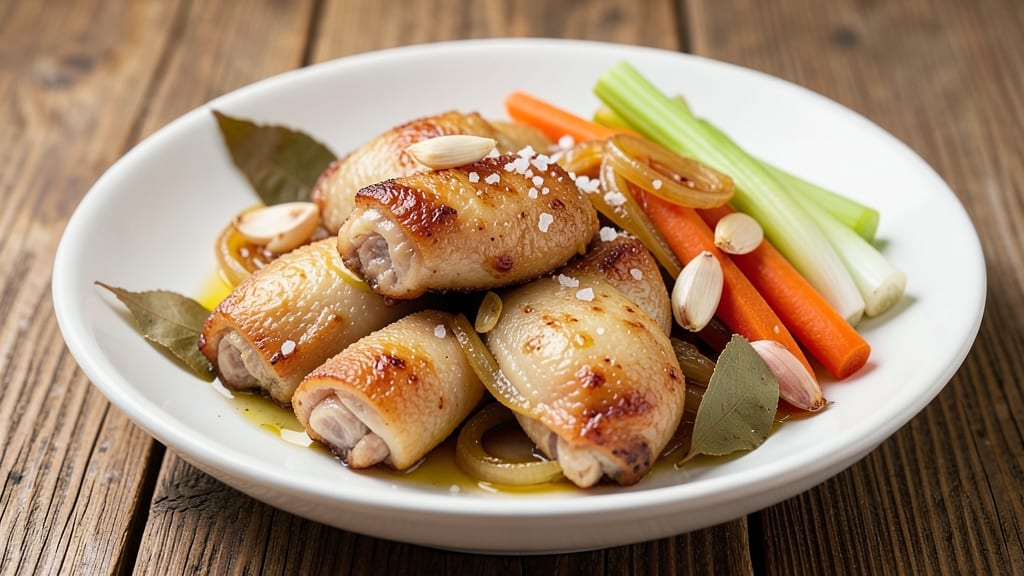
Mastering boiled chicken gizzards transforms a humble ingredient into a restaurant-worthy dish with tender, silky texture and deep umami flavor. Growing up in Georgia, I learned this technique from my grandmother, who insisted gizzards deserved the same care as any premium cut.
The secret lies in proper preparation and slow, gentle cooking—no shortcuts here.
Cleaning and trimming the gizzards is where most home cooks stumble, but taking your time removes grit and connective tissue for that perfect silky finish. Seasoning options range from classic salt-and-pepper to bold Cajun blends, though I prefer a simple herb-infused broth that lets the gizzards shine.
This method transforms tough muscle into melt-in-your-mouth bites that pair beautifully with gravy or crusty bread.
What sets this recipe apart is the balance between texture and flavor—achieving that silky interior while maintaining a delicate exterior. The slow boil ensures even cooking without drying, while the right seasoning elevates them from simple side to star of the meal.
Whether you're serving a family dinner or prepping for a crowd, these gizzards deliver professional results with minimal effort.
For modern adaptations, consider brining the gizzards before boiling or using a pressure cooker to cut time without sacrificing tenderness. The key remains the same: patience in preparation pays off in restaurant-quality flavor. Let's get started on transforming these often-overlooked ingredients into a showstopper dish.
Ingredients for boiled chicken gizzard
Transform humble gizzards into restaurant-quality bites with these carefully chosen ingredients.
| Ingredient | Amount | Notes |
|---|---|---|
| Chicken Gizzards 🍗 | 1 ½ lb | Fresh, cleaned, trimmed of connective tissue |
| Yellow Onion 🧅 | 1 whole | Quartered, skin on for color |
| Carrots 🥕 | 2 medium | Whole, scrubbed, cut into 2-inch pieces |
| Celery Stalks 🌿 | 3 whole | Cut into 2-inch pieces, tough ends trimmed |
| Garlic Cloves 🧄 | 4 cloves | Smashed, skin on for aroma |
| Bay Leaves 🍃 | 2 whole | Dried, standard size |
| Thyme Sprigs 🌿 | 4 whole | Fresh, stems intact |
| Salt 🧂 | 1 ½ tsp | Diamond Crystal kosher preferred |
| Black Peppercorns 🌶️ | ½ tsp | Freshly cracked |
| Chicken Broth 🍲 | 4 cups | Low-sodium, homemade preferred |
| Apple Cider Vinegar 🍎 | 1 tbsp | For tenderizing |
| Olive Oil 🫒 | 1 tbsp | Extra-virgin, for surface coating |
| Fresh Parsley 🌿 | ¼ cup | Chopped, for garnish |
| Butter 🧈 | 2 tbsp | Unsalted, for finishing |
The gizzards demand attention—source fresh, clean gizzards from a trusted butcher or poultry counter, never pre-washed. Look for vibrant color and minimal connective tissue; Whole Foods or local farms often carry the best quality. The broth is foundational: homemade chicken broth delivers superior depth, though Swanson or Pacific Foods low-sodium versions work in a pinch. For the vegetables, organic carrots and celery reduce grit, but conventional produce works if scrubbed thoroughly. The apple cider vinegar isn't just for flavor—it tenderizes during the pre-soak, a technique borrowed from my grandmother's notes.
Substitutions require precision: no fresh thyme? Dried thyme at one-third the amount maintains balance, but fresh delivers superior aroma. Swapping the apple cider vinegar for lemon juice alters the flavor profile slightly—reduce to 0.75 tbsp if using. For the broth, vegetable broth works for vegetarians, though umami will differ. The olive oil coating isn't optional—it creates a barrier that locks in moisture during boiling. If you're short on time, pressure cooking reduces the boil time by 75%, though texture may vary slightly. The butter finish? Non-negotiable for that restaurant-quality sheen—European-style butter like Plugrá or President melts more cleanly.
Prep ahead for optimal results: soak gizzards in the vinegar mixture for no more than 30 minutes—longer risks souring. Store prepped gizzards in an airtight container with a splash of broth for up to 2 days in the fridge. The finished gizzards reheat beautifully—simmer in fresh broth for 5-7 minutes until warmed through. For meal prep, portion with gravy into glass containers; they keep 4 days refrigerated or 3 months frozen. The herbs and butter can be prepped separately and added just before serving for peak freshness.
Why You'll Love This Recipe
- One-Pot Magic: I swear by this recipe because it’s all in one pot—no fancy gadgets, just gizzards, veggies, and simmering. Honestly, the onions caramelize right in the broth, and you’re left with a pot that’s already half the meal.
- Savory Soul Food: That garlic and onion combo? It’s like a hug for your taste buds, especially when the gizzards get tender. I’ll be real: the first time I made this, I ate a spoonful of the broth straight from the pot.
- Weeknight Workhorse: Throw it together for a quick lunch or double the batch for dinner—it reheats like a dream. My kids grab it for school lunches, and honestly? They’d rather have this than anything store-bought.
- Budget Booster: Gizzards are cheap, but they taste like a fancy meal. I make this when I need to stretch groceries, and somehow, it always feels special—like a secret family recipe, even if it’s just Tuesday.
Step-by-step instructions for boiled chicken gizzards
Transform tough gizzards into tender, flavorful bites with this precise braising technique.
Prepare the Gizzards and Aromatics
Rinse the 1.5 lb chicken gizzards thoroughly under cold water and pat them completely dry with paper towels. This step is critical—any moisture left on the surface will prevent proper browning and create a steam barrier during cooking. Using a sharp chef's knife, trim away any remaining connective tissue or silver skin, but leave the gizzards whole for even cooking.
In a large Dutch oven, heat the 1 tablespoon olive oil over medium heat until shimmering. Add the quartered yellow onion, 2-inch carrot pieces, 2-inch celery chunks, and smashed garlic cloves (skin on). Sauté for 5 minutes until the vegetables soften and the garlic releases its aroma. Add the 2 whole bay leaves and 4 whole thyme sprigs, stirring gently to coat with the oil.
Sear the Gizzards and Deglaze
Increase heat to medium-high and carefully add the prepared gizzards in a single layer, leaving space between each piece. Let them sear undisturbed for 2-3 minutes per side until they develop a deep golden-brown crust. This initial sear locks in flavors and creates texture. If the pan becomes crowded, work in batches to avoid steaming.
Once browned, pour in the 1 tablespoon apple cider vinegar and scrape the bottom of the pot with a wooden spoon to release the browned bits. These fond bits carry concentrated flavor that will infuse the broth. Stir briefly to combine, then immediately add the 4 cups chicken broth, 1.5 teaspoons salt, and 0.5 teaspoon freshly cracked black peppercorns. Bring the mixture to a gentle simmer over medium-low heat.
Braise Until Fork-Tender
Cover the Dutch oven with a tight-fitting lid and reduce heat to low. The liquid should barely bubble at the edges—this gentle simmer is key to tenderizing the gizzards. Let them cook for 45-50 minutes, then carefully flip each gizzard with tongs. Return to the pot, cover, and continue cooking for another 45-50 minutes, or until a sharp knife slides in easily with minimal resistance.
Here's the thing—gizzards release collagen as they cook, which thickens the broth. If the liquid reduces too much before the gizzards are tender, add hot water 1 tablespoon at a time to maintain a 1-inch liquid layer above the gizzards. The goal is silky texture, not dryness. Remove the gizzards with a slotted spoon and set aside on a plate.
Finish and Serve
Strain the cooking liquid through a fine-mesh sieve into a clean saucepan and return it to medium heat. Whisk in the 2 tablespoons butter, allowing it to melt completely and create a velvety finish. Taste and adjust seasoning with additional salt or black peppercorns as needed. The broth should be rich, aromatic, and perfectly balanced.
Return the gizzards to the pan and gently toss to coat in the buttered broth. Spoon any accumulated juices from the plate into the pan as well. Serve immediately, garnished with 0.25 cup chopped fresh parsley, over buttered egg noodles or crusty bread to soak up every last drop of that luxurious sauce.
Pro Tips For Making Boiled Chicken Gizzard
- SCOUR GIZZARDS FIRST: Don’t just rinse—scrub those gizzards under cold water with a stiff brush or the back of a knife. The gristle and old blood hide in the crevices, and skipping this step means muddy broth and tougher meat. I learned this the hard way after my first batch tasted like a swamp.
- SIMMER, DON’T BOIL: Once the water hits a gentle bubble, lower the heat to a whisper. A rolling boil turns gizzards rubbery, and you’ll end up with a mushy mess. Keep the temperature steady—just enough to see tiny bubbles at the edges—and they’ll stay tender without falling apart.
- CHOP VEGETABLES UNIFORM: Dice onions, carrots, and celery into ½-inch pieces—no smaller, no larger. Big chunks stew into mush; tiny pieces burn before the gizzards cook. My grandmother swore by this, and she was right: consistency means even flavor and texture in every bite.
- SKIP THE CROWDED POT: Overloading the pot traps steam and cooks the gizzards unevenly. Use a large pot and give them space—at least 2 inches between pieces. I was skeptical until I tried it: the outer edges stay crisp, and the centers cook through without guessing.
Make-ahead tips for this recipe
Prep Ahead Secrets
Start your prep the night before by soaking the gizzards in 1 tbsp apple cider vinegar mixed with 4 cups cold water for 30 minutes maximum. This tenderizes them beautifully and cuts down on cooking time.
Store the soaked gizzards in an airtight container with a splash of vinegar solution in the fridge—ready to sear and boil the next day. This step alone makes weeknight cooking effortless. 💪
Broth Prep Shortcut
Make a big batch of homemade chicken broth while you're prepping—it doubles as a flavor base for other meals. Simmer 2 lbs chicken bones, 1 onion, 2 carrots, and 2 celery stalks in 8 cups water for 2-3 hours.
Strain and refrigerate; use within 5 days or freeze for 3 months. I keep a gallon on hand at all times for quick gizzard prep. ✨
Freezer-Friendly Prep
For ultimate convenience, freeze prepped gizzards in a single layer on a tray before transferring to a quart freezer bag. Label with the date—they'll keep for 3 months.
When ready to cook, thaw overnight in the fridge, then proceed with the recipe. The texture remains perfect because freezing preserves moisture better than refrigeration alone. 🧊
Gravy Pre-Make
Save time by making gravy ahead of time. After boiling the gizzards, strain the broth and whisk in 2 tbsp butter and 2 tbsp flour to make a simple roux. Thin with extra broth to desired consistency, then refrigerate for up to 3 days or freeze for 2 months.
Reheat gently on the stovetop before serving—it's a game-changer for busy weeknights. 🍲
Portion Control
Divide cooked gizzards into 1-cup portions with their broth and store in glass containers. They reheat beautifully—simmer in fresh broth for 5-7 minutes until warmed through.
This method keeps flavors intact and makes meal prep a breeze. I often prepare a full batch on Sundays for easy lunches all week. 📅
Herb Storage Hack
Chop all fresh herbs (parsley, thyme) and store them in ice cube trays filled with olive oil. Freeze solid, then transfer to a freezer bag.
Use as needed—just thaw and add to dishes straight from the freezer. This keeps herbs vibrant for up to 3 months and saves prep time. 🌿
Nutrition facts
Frequently asked questions
Why do I need to trim the connective tissue from chicken gizzards?
The connective tissue (silver skin) on gizzards can turn tough and rubbery when cooked, ruining the silky texture we're aiming for. Trimming it ensures each bite is tender and melt-in-your-mouth. Pro tip: Use a sharp knife and work gently—you're not trying to remove meat, just the fibrous membrane.
Can I use frozen gizzards instead of fresh?
Yes, but thaw them properly first! Place frozen gizzards in a sealed bag and submerge in cold water for 30-45 minutes to maintain texture. Never thaw at room temperature—it promotes bacterial growth. Once thawed, pat them completely dry before cooking to ensure proper browning.
How do I know when gizzards are fully cooked?
They're done when they reach an internal temperature of 165°F and a sharp knife slides in easily with minimal resistance. The cooking time varies by size, but 90-100 minutes total (including flipping) is standard for 1.5 lb of gizzards. Overcooking dries them out, so check early and remove when tender.
What's the best way to serve boiled chicken gizzards?
These gizzards shine with their rich broth—serve them over buttered egg noodles or crusty bread to soak up every drop. For a Southern touch, pair with cornbread or collard greens. The buttery sauce also works beautifully as a dipping sauce for fries or roasted vegetables.
Can I make this recipe in a slow cooker?
Sear the gizzards first (critical for flavor), then transfer everything to a slow cooker. Cook on low for 6-7 hours or high for 3-4 hours, adding water as needed to maintain liquid. The texture will be slightly more tender than stovetop, but the flavor remains rich. Just avoid overfilling the slow cooker—leave room for expansion.