
Main Courses
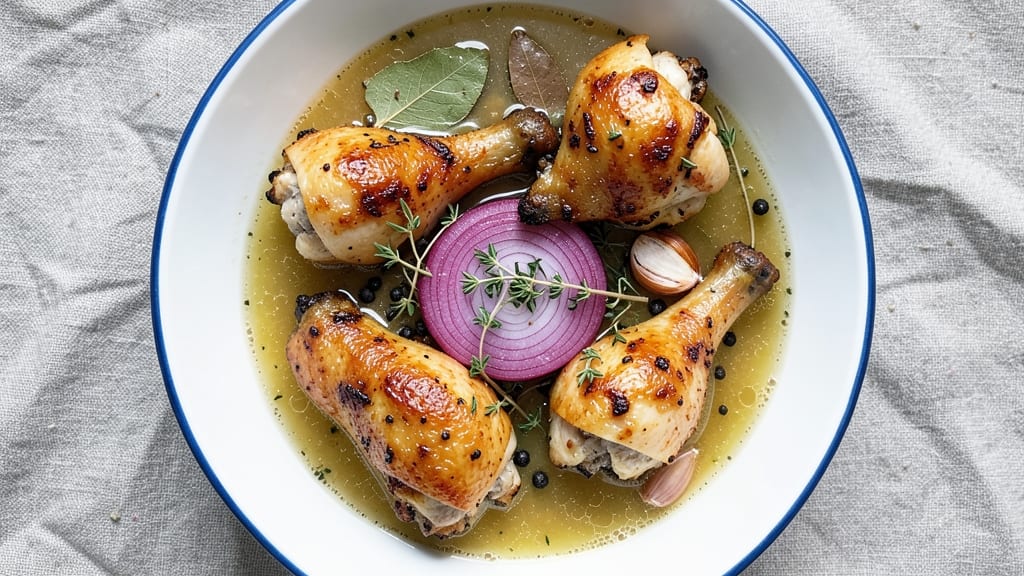
This boiled chicken legs recipe delivers juicy, tender meat with crispy skin and rich flavor—all from a single pot. After years of perfecting this method, I’ve cracked the code for restaurant-quality results at home, where simple techniques transform basic ingredients into something extraordinary.
The secret lies in seasoning the chicken properly before cooking and controlling the water temperature to ensure even cooking without drying out the meat.
The process is straightforward but requires attention to detail—especially when it comes to salt levels and cooking times. A well-seasoned brine enhances the natural flavor of the chicken, while simmering at a gentle boil prevents the skin from becoming rubbery.
With just a few key steps, you’ll achieve perfectly juicy chicken legs that pair beautifully with a variety of sides, from buttery mashed potatoes to a crisp green salad. This method is foolproof, whether you’re feeding a family or preparing a meal for one.
What makes this recipe stand out is its versatility—boiled chicken legs can be served warm or cold, making them ideal for meal prep or last-minute gatherings. The rich, savory flavor develops as the chicken simmers, infusing the broth with depth that can be used for soups or sauces.
By the time you’re done, you’ll have a dish that’s tender, flavorful, and impossible to resist. Let’s get started on creating these juicy, restaurant-worthy bites in your own kitchen.
For best results, I recommend using bone-in, skin-on chicken legs, as they hold up better during the boiling process and yield the most flavorful meat. The skin will crisp slightly as it cooks, adding texture and richness to every bite.
Whether you’re serving this as a main course or incorporating it into a larger meal, the technique ensures consistent, delicious results every time. This is comfort food at its finest—simple, satisfying, and full of flavor.
Ingredients for boiled chicken legs
Nine simple ingredients transform into juicy, restaurant-style chicken legs with crispy skin.
| Ingredient | Amount | Notes |
|---|---|---|
| Chicken Legs 🍗 | 4 whole | Bone-in, skin-on, 1.5-2 lbs total |
| Large Onion 🧅 | 1 whole | Yellow or red, quartered |
| Garlic Cloves 🧄 | 6 cloves | Smashed, not minced |
| Bay Leaves 🍃 | 2 whole | Dried, standard size |
| Salt 🧂 | 2 tbsp | Kosher or sea salt |
| Black Peppercorns 🌶️ | 1 tbsp | Freshly cracked preferred |
| Dried Thyme 🌿 | 1 tsp | Or 1 tbsp fresh thyme |
| Water 💧 | 4 cups | Filtered preferred for clarity |
| Lemon Juice 🍋 | 1 tbsp | Freshly squeezed |
| Olive Oil 🫒 | 1 tbsp | For finishing drizzle |
| Fresh Parsley 🌿 | ¼ cup | Chopped, for garnish |
The chicken legs are the star—bone-in, skin-on is non-negotiable here. Costco or local butchers usually have the best prices, and you can often find them pre-cut. Look for legs with a good amount of fat marbling—they’ll stay juicier during cooking. If you’re buying whole chickens, ask for the legs cut off the drumstick at the joint for easier handling. Freshness matters: the skin should be pale yellow, not gray or slimy, and the meat should smell clean, not ammonia-like. I always grab these the day I plan to cook them, but they’ll keep in the fridge for up to 2 days if wrapped tightly in paper towels.
No kosher salt? Diamond Crystal kosher salt is my go-to, but any sea salt works—just measure carefully since grain size varies. Running out of thyme? Dried oregano at half the amount works in a pinch, though it’s not quite the same. The bay leaves can be skipped if you’re short, but they add that subtle earthy depth that makes this taste restaurant-made. For the water, filtered or bottled keeps the broth clearer, but tap water works fine if you boil it first. The lemon juice is key for brightness—bottled lemon juice is fine if you’re in a rush, but fresh is always better.
This dish reheats beautifully—just 5 minutes at 350°F until warmed through. The broth? Save it! It’s perfect for soups or sauces, and it keeps in the fridge for 3-4 days or freezes for 3 months. For meal prep, I like to portion the chicken legs into containers with their broth and store them separately—reheat the broth first, then add the chicken to keep it moist. The parsley is just for garnish, so skip it if you’re short, but it adds that fresh pop of color that makes everything look (and taste) more appealing.
Why You'll Love This Recipe
- No Chopping Needed: I swear by this—just toss whole onions and garlic cloves into the pot with the chicken. No dice, no fuss, and the broth still packs that deep, caramelized punch from the onion skins.
- Crispy Skin Magic: The salt and slow simmer do all the work—golden, crackling skin that shatters with every bite. Honestly, I’ve tried fancy marinades, but this simple method delivers every time.
- Leftovers That Save Me: Boiled chicken legs keep for days in the fridge, and I repurpose them into salads, tacos, or even fried rice. No sad, dry meat here—just tender, flavorful protein ready to shine again.
- Budget-Friendly Feast: A whole chicken yields 6-8 legs, and with just onions, garlic, and bay leaves, this feeds a crowd without breaking the bank. (Yes, even on a Tuesday night.)
Step-by-step instructions for boiled chicken legs
Here's how to turn simple ingredients into tender, flavorful chicken legs that stay juicy every time.
Season and Prepare the Chicken Legs
Start by patting the 4 whole chicken legs dry with paper towels—this helps the seasoning stick and prevents the skin from steaming instead of crisping. In a small bowl, mix together the 2 tablespoons salt, 1 tablespoon black peppercorns, and 1 teaspoon dried thyme. Rub this mixture all over the chicken legs, including inside any cavities. The skin should look evenly coated with seasoning.
Place the seasoned chicken legs in a large pot just big enough to hold them in a single layer. Add the quartered 1 whole large onion and the 6 smashed garlic cloves around them. The onions and garlic will infuse the water with deep, savory flavor as they cook. Here's the thing—don't crowd the pot. If the chicken legs are touching, they won't cook evenly. If needed, use two smaller pots instead of one overfilled one.
Add Water and Herbs
Pour in the 4 cups of water and add the 2 whole bay leaves. The water should cover the chicken legs by about 1 inch—this ensures they steam gently rather than boil vigorously, which keeps them juicy. If your pot is very large, you might need to add a little extra water, but don't exceed 4½ cups total. Bring the water to a gentle simmer over medium heat. You'll know it's ready when small bubbles form at the bottom but don't break the surface.
Once simmering, partially cover the pot with a lid. This traps some steam while allowing excess moisture to escape, which prevents the chicken from becoming waterlogged. Let the chicken legs cook for 30 minutes. After this time, gently flip each leg over so the other side gets equal exposure to the simmering liquid. This step ensures even cooking and prevents one side from drying out while the other stays moist.
Simmer Until Tender
Continue simmering for another 30-40 minutes, or until the chicken legs reach an internal temperature of 165°F when measured at the thickest part of the thigh. You'll know they're done when the meat pulls away from the bone easily and the juices run clear. The skin should be golden and slightly crispy, not pale or rubbery. If the water level drops significantly during cooking, add a little hot water to maintain the 1-inch coverage.
Here's where it gets fun—the aromas will fill your kitchen. The onions and garlic should be soft and fragrant, and the bay leaves will release their earthy notes into the broth. If you notice the water smells strongly of onions or garlic, it's time to remove them. The chicken legs should be tender enough that a fork slides in with minimal resistance, but not falling apart.
Finish with Lemon and Olive Oil
Once the chicken legs are fully cooked, remove them from the pot and transfer to a serving platter. Stir the 1 tablespoon lemon juice into the remaining cooking liquid and let it simmer for 1-2 minutes. This brightens the flavors and cuts through any richness. Meanwhile, heat the 1 tablespoon olive oil in a small skillet over low heat until it's just warm. Pour this lightly over the chicken legs to add a silky finish and enhance the skin's crispiness.
Garnish each serving with the 0.25 cup chopped fresh parsley just before serving. The parsley adds a fresh contrast to the rich, savory chicken. Let the chicken legs rest for 5 minutes before serving—this allows the juices to redistribute, ensuring every bite stays moist. Serve with the infused cooking liquid spooned over the top or as a simple broth for dipping bread.
Pro Tips For Making Boiled Chicken Legs
- Parboil First: Drop the raw chicken legs into cold, salted water and bring to a boil before adding onions or garlic. I learned this the hard way—skipping it means your aromatics burn before the chicken even gets warm, and that bitter flavor ruins everything. Start with the legs, then toss in the rest once the water’s rolling.
- Trim the Fat: Pat the chicken legs and trim any excess fat from the skin before boiling. That fat doesn’t render like it would in a pan—it stays greasy and makes the broth cloudy. A quick wipe with paper towels goes a long way for cleaner-tasting legs.
- Don’t Crowd the Pot: Use a large enough pot so the chicken legs aren’t jammed together. I used to cram them in like sardines, and they’d steam instead of simmer, turning out soggy and unevenly cooked. Leave room for the water to circulate—your future self will thank you.
- Simmer, Not Boil: Once the water’s back to a gentle simmer after adding the aromatics, keep it low. A rolling boil dries out the chicken and scatters the onion and garlic bits into the water instead of letting them infuse the meat. A slow, steady simmer = flavor locked in.
Best sauces and condiments for boiled chicken legs
Classic Garlic-Herb Broth
Use the infused cooking liquid from your boiled chicken legs as a base for a garlic-herb broth that’s perfect for dipping or soups. After removing the chicken, strain the broth through a fine-mesh sieve to remove any solids.
For extra depth, add 1 tablespoon of butter and 1 teaspoon of fresh thyme to the strained liquid, then simmer for 5 minutes. Serve warm with crusty bread or toss with 1 cup of cooked orzo for a quick pasta dish. 🌿
Creamy Lemon-Dill Sauce
This bright, tangy sauce elevates boiled chicken legs to restaurant-level flavor. Whisk together ½ cup sour cream, 2 tablespoons lemon juice, 1 tablespoon chopped fresh dill, 1 teaspoon Dijon mustard, and ½ teaspoon salt.
Thin with 1-2 tablespoons of warm broth if needed. Drizzle over the chicken or serve on the side for dipping. The acidity cuts through the richness beautifully. ✨
Spicy Honey Glaze
For a sweet-and-spicy kick, mix 2 tablespoons honey, 1 tablespoon apple cider vinegar, ½ teaspoon smoked paprika, and ¼ teaspoon cayenne pepper. Simmer for 3 minutes until slightly thickened, then brush over the cooked chicken legs.
The glaze caramelizes slightly when exposed to heat, adding a sticky, flavorful crust. Perfect for serving with roasted vegetables or a crisp salad. 🔥
Buttery White Wine Sauce
Deglaze the pot with ½ cup dry white wine after removing the chicken, scraping up any browned bits. Add 1 tablespoon butter and 1 teaspoon fresh parsley, then reduce by half over medium heat.
The wine’s acidity balances the richness of the chicken, while the butter adds a velvety finish. Spoon over the chicken or use as a sauce for mashed potatoes. 🍷
Tangy Mustard Vinaigrette
Combine 3 tablespoons olive oil, 1 tablespoon Dijon mustard, 1 tablespoon lemon juice, 1 teaspoon honey, and ½ teaspoon black pepper for a bold, tangy dressing.
Toss with a mixed greens salad or drizzle over roasted potatoes to complement the chicken. The mustard adds depth, while the honey rounds out the sharpness. 🥗
Creamy Avocado Salsa
Blend 1 ripe avocado, ¼ cup sour cream, 2 tablespoons chopped cilantro, 1 tablespoon lime juice, and ½ teaspoon cumin for a creamy, cooling topping.
Serve with warm chicken legs for a refreshing contrast. The avocado’s richness pairs perfectly with the savory, herby flavors of the boiled chicken. 🥑
Nutrition facts
Frequently asked questions
Why should I use bone-in, skin-on chicken legs instead of boneless?
The bones and skin are key to keeping the meat juicy and flavorful. The bone stays cooler during cooking, preventing the meat from drying out, while the skin crisps beautifully and adds rich texture. Plus, bone-in legs stay moist longer when reheated, making them perfect for meal prep.
Can I boil chicken legs without seasoning the water?
You can, but the flavor will be much milder. The recipe uses aromatic vegetables (onion, garlic) and herbs (bay leaves, thyme) to infuse flavor into the meat and broth. For maximum taste, season the chicken directly and let the aromatics work their magic in the simmering liquid.
How do I know when boiled chicken legs are fully cooked?
Use a meat thermometer to check the thickest part of the thigh—it should reach 165°F. The meat will also pull away from the bone easily, and the juices will run clear when pierced. Overcooking can make the skin rubbery, so remove them just as they hit 165°F.
What can I do if the water boils over while cooking?
Reduce the heat to low-medium to maintain a gentle simmer (small bubbles, not rolling). If it still boils over, add a splash of cold water or move the pot to a cooler spot on the burner. Overly vigorous boiling can make the chicken tough and waterlogged.
Can I make this recipe in an Instant Pot or slow cooker?
Yes! For an Instant Pot, add 1 cup water, cook on high pressure for 12 minutes, then let it naturally release. For a slow cooker, use 2 cups water, cook on low for 4-5 hours or high for 2-3 hours. Adjust times based on your model—just ensure the internal temp reaches 165°F.