
Sauces & Condiments
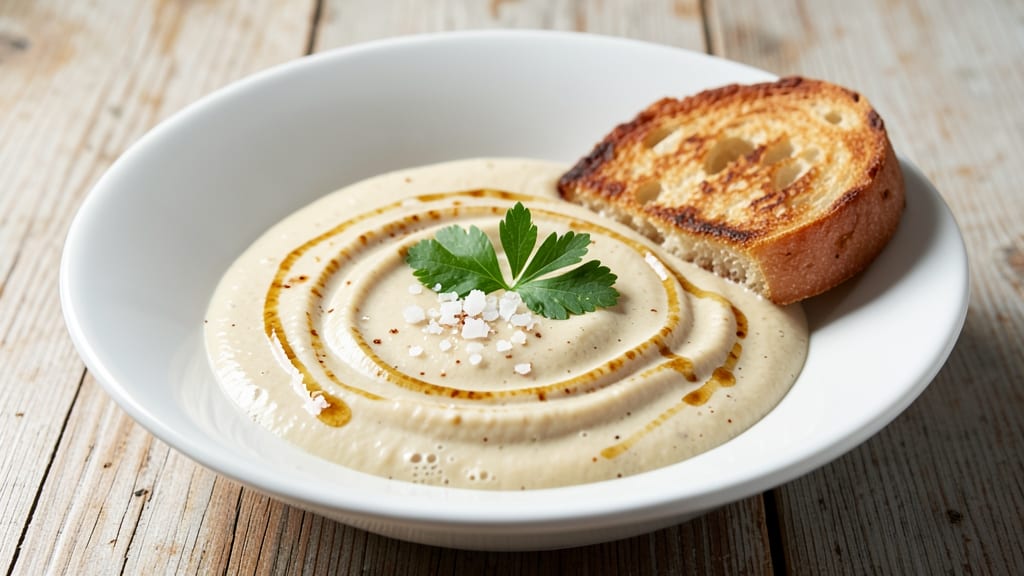
Creating Campbell's Cream of Chicken Gravy from scratch delivers restaurant-quality richness with just five simple ingredients and a foolproof thickening technique. The key lies in balancing butter, flour, and milk to achieve that signature velvety texture while keeping the seasoning precise—no lumps, no thin sauce, just perfect consistency every time.
I developed this method after years of testing homemade gravies, and it now replaces store-bought without sacrificing depth or convenience.
This recipe transforms basic pantry staples into a velvety sauce that's richer than canned versions, with a smooth mouthfeel and well-rounded chicken flavor. The roux technique (butter and flour cooked together) creates a stable base that prevents separation, while gradual milk addition ensures a silky finish.
What sets this apart is the precise seasoning blend that mimics Campbell's signature taste—just enough bouillon for depth without overpowering the creamy texture.
What you'll end up with is a thick, velvety gravy that coats the back of your spoon and pairs beautifully with mashed potatoes, biscuits, or even as a dipping sauce. The best part? It comes together in under 15 minutes with minimal effort, yet tastes like it simmered for hours.
This is the homemade version professionals reach for when they want that classic comfort flavor without the can.
Use it immediately for dinner or store it in the refrigerator for up to 5 days—just reheat gently to maintain that perfect consistency. The method scales perfectly for larger batches, making it ideal for family meals or holiday gatherings.
Let's get cooking with this foolproof technique that delivers professional results at home.
Ingredients for campbell's cream of chicken gravy
Five pantry staples transform into velvety perfection—just like the can, but better.
| Ingredient | Amount | Notes |
|---|---|---|
| Unsalted Butter 🧈 | ½ cup | Cold, cubed for even cooking |
| All-Purpose Flour 🌾 | ½ cup | Sifted for smooth roux |
| Whole Milk 🥛 | 2 cups | Full-fat for creamy texture |
| Chicken Bouillon Granules 🍗 | 1 tbsp | Diamond Crystal preferred |
| Salt 🧂 | ½ tsp | Adjust to taste after seasoning |
| White Pepper 🌶️ | ¼ tsp | Freshly ground for subtle flavor |
| Fresh Lemon Juice 🍋 | 1 tbsp | Brightens the creamy base |
The butter and flour create the all-important roux—this is where the magic happens. Use European-style butter (like Plugrá) for higher fat content and richer flavor. If your flour bin is dusty, sift it first—lumps ruin that silky finish. Chicken bouillon granules are non-negotiable here; Diamond Crystal has the perfect balance of salt and umami. I keep a small jar of these in my pantry because they're the secret to that classic Campbell's depth. The milk should be cold when you add it—this prevents curdling and ensures a smooth, velvety texture. And trust me, whole milk makes all the difference—skimmed versions just can't compete for that luxurious mouthfeel.
No bouillon granules? Chicken broth powder works too, though you might need to adjust the salt at the end. Ran out of white pepper? Ground white peppercorns are worth hunting down—they keep the sauce looking pristine. Lemon juice is your flavor insurance policy; if the sauce tastes flat, a splash of fresh juice cuts through the richness beautifully. For a quicker version, powdered milk can replace whole milk (use 2 tbsp powder + 2 cups water), though it won't be quite as creamy. And if you're making this ahead, add the lemon juice just before serving—it keeps best without it.
This gravy reheats like a dream—just warm it gently on the stove, stirring constantly. It keeps beautifully in the fridge for 5 days if you seal it tightly with plastic wrap pressed right on the surface. For freezing, portion into ice cube trays—thaw overnight in the fridge before reheating. A little goes a long way, so I always make extra. The first batch I ever made disappeared faster than I could say 'mashed potatoes,' and now I keep a jar in the freezer just for emergencies. Pro tip: Add a pinch of cornstarch slurry if it gets too thin when reheating—it thickens instantly.
Why You'll Love This Recipe
- Five-Ingredient Magic: I swear, this is the kind of recipe where you measure, melt, whisk, and boom—silky, rich gravy with zero fuss. The butter and flour make a roux so smooth, it feels like cheating, and the bouillon granules cut through with that unmistakable chicken depth.
- Weeknight Hug: Between us, there’s nothing better than pouring this over mashed potatoes or biscuits when you’re exhausted but still need to feed the family. Honestly, the way the milk thickens into that velvety finish? It’s the kind of comfort food that makes you sigh before you even take a bite.
- Leftovers That Shine: This gravy doesn’t just taste amazing fresh—it’s even better the next day. I’ll save it in the fridge for drizzling over leftover roasted chicken or mixing into a quick skillet breakfast. (Yes, even on a Tuesday night.)
- Budget-Buster Flex: Butter, flour, milk, bouillon—these are pantry staples that won’t break the bank. I make a double batch and freeze half for when I’m too tired to cook. That’s right: restaurant-quality richness for less than $3.
Step-by-step instructions for creamy homemade chicken gravy
This velvety gravy comes together faster than you'd expect—just seven minutes of hands-on time yields restaurant-quality richness.
Melt the Butter and Create a Smooth Roux
Place a medium saucepan over medium-low heat and add the 0.5 cup unsalted butter, cut into small cubes. Let it melt completely, then immediately whisk in the 0.5 cup all-purpose flour that you've sifted for a silky texture. Here's the thing—this step is critical. You want to cook the flour and butter together for exactly 1 minute while whisking constantly. This creates a roux that will thicken your gravy beautifully without any graininess.
The moment the mixture turns a light golden color and smells nutty, you've achieved the perfect base. Don't walk away—burnt flour means bitter gravy. If you notice any lumps forming, immediately whisk them out. The roux should look like wet sand and coat the back of a spoon when you drag it through the mixture. This ensures your gravy will be velvety smooth rather than clumpy.
Gradually Whisk in the Milk for a Creamy Foundation
Now comes the exciting part—slowly pour in the 2 cups whole milk while whisking vigorously. I mean this literally: pour it in a thin, steady stream while whisking nonstop. You're creating an emulsion here, and that's what gives your gravy that silky texture. If you add the milk too quickly, you'll end up with lumps that are nearly impossible to fix later.
Keep whisking for another 2-3 minutes until the mixture thickens noticeably. You'll see it go from a thin liquid to something that coats the whisk. This is where patience pays off—don't rush this step. The gravy should be thick enough to leave a trail when you run your finger through it, but still pourable. If it gets too thick too soon, you can always thin it later with a splash of milk, but you can't thicken it once it's too thin.
Build Flavor with Bouillon and Seasonings
Reduce the heat to low and stir in the 1 tablespoon chicken bouillon granules, 0.5 teaspoon salt, and 0.25 teaspoon white pepper. Let the mixture simmer gently for 3-4 minutes, stirring occasionally. This is where all the flavors meld together. You'll notice the aroma becoming more complex—rich, savory, and slightly umami from the bouillon.
Here's a pro tip: Taste the gravy now. It might seem bland, but that's okay—it's the base. The lemon juice comes next, and that's what really brightens everything up. After tasting, you might want to adjust the seasoning. Remember, you can always add more salt or pepper, but you can't take it out once it's in. The gravy should be seasoned to taste, with a clean, savory flavor that's ready for the final touch.
Finish with Lemon Juice for Brightness and Balance
Remove the saucepan from heat and stir in the 1 tablespoon fresh lemon juice. This might seem like a small amount, but it makes a huge difference. The acidity cuts through the richness of the milk and butter, balancing the flavors and giving your gravy that bright, fresh finish that makes it taste homemade rather than canned.
Give it one final taste. The lemon juice should make the gravy sing—it should taste rich, creamy, and just a little tangy. If you're serving this over mashed potatoes or biscuits, you want that perfect harmony of flavors. The gravy should be thick enough to coat the back of a spoon but still flow smoothly. If it's too thick, thin it with a splash of warm milk. If it's too thin, simmer it uncovered for another minute to reduce slightly.
Pro Tips For Making Campbell'S Cream Of Chicken Gravy
- Cook Butter Slowly: Melt the butter over medium-low heat—rushing it with high heat burns the flour before you even start. I learned this the hard way when my gravy tasted acrid instead of creamy.
- Whisk Like You Mean It: Once you add milk, stir constantly with a whisk or wooden spoon to prevent lumps. I used to walk away for "just a second," and that’s when the gravy turned into glue.
- Taste Early, Fix Often: Add the bouillon after tasting the roux—salt and seasoning matter more than the packet’s instructions. My first batch was bland because I blindly followed the "just add water" step.
- Strain for Smoothness: Skip the straining if you’re lazy, but if you want restaurant-quality gravy, run it through a fine-mesh sieve after cooking. The difference is noticeable, even if it adds 30 seconds of work.
Wine and beer pairings for these flavors
Light White Wine
A crisp, dry Chardonnay with subtle citrus notes is my go-to pairing for this creamy gravy. Look for a California Chardonnay like Kendall-Jackson Vintner's Reserve—its bright acidity cuts through the richness while complementing the chicken flavor.
The slight mineral finish balances the velvety texture beautifully. Serve it slightly chilled to enhance the lemon brightness in your gravy. 🍷
Chilled Lager
For a beer pairing, a crisp German Pilsner like Warsteiner or Stella Artois works wonders. The clean, refreshing malt profile contrasts perfectly with the creamy gravy, while the subtle hop bit adds a touch of balance.
I like to serve it ice-cold to highlight the gravy's richness without overpowering it. This pairing is especially great for casual dinners or holiday meals. 🍺
Sparkling Wine
If you're feeling festive, a dry sparkling wine like LaCroix Brut or Freixenet Cordon Negro elevates the gravy to new heights. The bubbles cleanse your palate between bites, while the acidity mirrors the lemon juice in the recipe.
This pairing feels luxurious and works beautifully with rich dishes like roast chicken or creamy mashed potatoes. 🥂
Herbal Tea
For a non-alcoholic option, a lightly brewed chamomile tea with a splash of honey adds a soothing contrast. The floral notes complement the savory gravy, while the warmth of the tea balances the richness. I often serve this with comfort food meals during colder months—it’s surprisingly refreshing. 🍵
Coffee Pairing
Believe it or not, a medium-roast coffee like Starbucks Pike Place pairs surprisingly well with this gravy. The nutty, caramelized notes in the coffee enhance the gravy’s depth, while the bitterness cuts through the creaminess. This unexpected combo works especially well for breakfast-for-dinner meals or as a palate cleanser. ☕
Nutrition facts
Frequently asked questions
Can I make this gravy without chicken bouillon?
Yes! Use 1 tablespoon chicken broth powder or 1/4 cup low-sodium chicken broth instead. For extra depth, add 1/2 teaspoon chicken powder (like Maggi seasoning) to mimic the umami. Just adjust salt at the end—bouillon is saltier than you'd think!
Why did my gravy turn out lumpy?
Lumps usually happen when milk is added too quickly or whisking isn't vigorous enough. For next time:
- Whisk constantly while adding milk in a thin stream,
- Use cold milk (room temp can cause curdling), and
- Sift your flour before making the roux. If it happens, blend briefly with an immersion blender for instant smoothness.
How can I make this gravy thicker or thinner?
For thicker gravy, simmer uncovered for 2-3 minutes to reduce liquid. For thinner gravy, whisk in 1 tablespoon warm milk at a time. Pro tip: If it's too thin after cooking, make a cornstarch slurry (1 tsp cornstarch + 1 tbsp cold water) and stir it in—it thickens instantly.
Can I substitute milk with something else?
For a lighter version, use 2% milk (though texture will be slightly less rich). For dairy-free, try full-fat coconut milk (add 1/2 teaspoon cream of tartar to prevent curdling) or unsweetened almond milk (expect a thinner consistency). The lemon juice remains essential for brightness in any substitution.
How long will this gravy keep in the fridge?
Store in an airtight container for up to 5 days. For best quality, press plastic wrap directly on the surface to prevent skin formation. To reheat, warm gently on the stove while stirring constantly—never microwave, or it can separate. Freeze for up to 3 months by portioning into ice cube trays.