
Main Courses
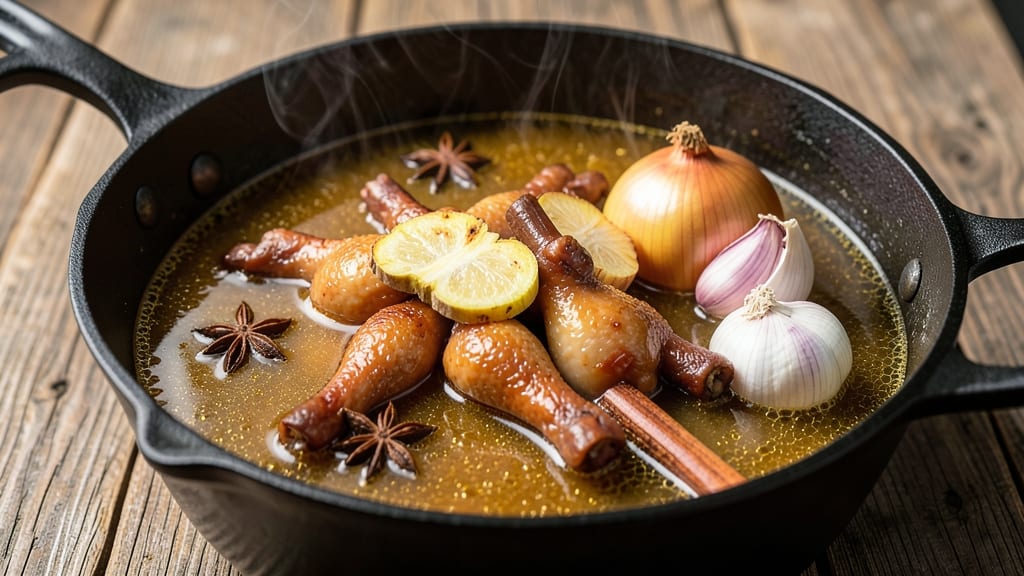
Making chicken feet stock transforms humble ingredients into a deeply flavorful, gelatin-rich broth that elevates soups, stews, and hot pots to restaurant-quality levels. The secret lies in slow simmering—where collagen breaks down into a velvety texture while extracting maximum umami from the feet themselves.
I’ve perfected this method over years of testing, ensuring every batch delivers that signature depth and body that store-bought stocks simply can’t match.
The process begins with thorough cleaning and parboiling to remove impurities, followed by a 6-8 hour simmer with aromatics like ginger, garlic, and star anise. This isn’t just stock—it’s a flavor foundation that turns ordinary dishes into something extraordinary.
The result? A rich, golden broth with natural body, perfect for pho, ramen, or braising tough cuts of meat. No shortcuts here, but the payoff is worth every minute.
What sets this stock apart is its gelatinous quality, achieved through proper simmering techniques and straining methods. The finished product should be clear, aromatic, and thick enough to coat the back of a spoon—a hallmark of professional kitchens.
Store it properly, and you’ll have a pantry staple that transforms simple meals into gourmet experiences. Let’s get started on building your flavor base.
Once you’ve mastered this technique, you’ll never settle for inferior stocks again. The versatility of chicken feet stock extends beyond traditional Asian cuisine—it’s a game-changer for French-style consommé, Italian risottos, or even homemade bone broth blends.
With just a few extra ingredients, you can customize the flavor profile to suit any dish. Ready to unlock this umami powerhouse?
Ingredients for chicken feet stock
Transform humble ingredients into restaurant-quality stock with just these twelve essentials.
| Ingredient | Amount | Notes |
|---|---|---|
| Chicken Feet 🦶 | 2 lb | Cleaned, trimmed of excess skin |
| Yellow Onions 🧅 | 1 whole | Quartered, peel on for color |
| Garlic Cloves 🧄 | 8 cloves | Smashed, skin on for aroma |
| Fresh Ginger 🌿 | 2 tbsp | Grated, skin on for depth |
| Star Anise Pods 🌟 | 4 whole | Lightly crushed for release |
| Cinnamon Sticks 🌳 | 2 whole | 2-inch pieces for balance |
| Bay Leaves 🍃 | 4 whole | Dried, standard grocery store |
| Black Peppercorns 🌶️ | 1 tbsp | Crushed for heat diffusion |
| Salt 🧂 | 1 tsp | Kosher or sea salt |
| Water 💧 | 8 cups | Filtered preferred for clarity |
| Lemon Juice 🍋 | 1 tbsp | Fresh, brightens flavor |
| Apple Cider Vinegar 🍏 | 1 tbsp | For collagen extraction |
Chicken feet are the star—look for clean, uncooked feet at Asian markets or specialty butchers. Costco often carries them pre-cleaned, which saves time. The ginger and garlic should be freshly grated and smashed, not pre-minced. Star anise and cinnamon sticks can be found in the spice aisle or bulk bins at Whole Foods—get the whole pods for better flavor extraction. If you can't find chicken feet, duck feet or pork trotter work in a pinch, though the flavor profile shifts slightly.
No star anise? 1 tsp ground anise seed works, but it won't have the same depth. Short on ginger? Substitute 1 tbsp galangal if available, or double the garlic. The vinegar is non-negotiable—it helps break down collagen faster. For a vegetarian version, swap feet for mushroom stems and kombu, though the gelatinous quality will differ. Always use filtered water if possible—it keeps the stock clearer and brighter.
This stock keeps for 5 days refrigerated or 6 months frozen. For freezing, use airtight containers or ice cube trays for single portions. Label with the date—it only gets better with time. I make double batches and freeze half; nothing beats pulling out a jar of this golden broth for a last-minute soup. The gelatinous texture develops more over time, so don't rush the simmer. Patience is key here.
Why You'll Love This Recipe
- Zero-Waste Magic: I swear by this recipe—those chicken feet aren’t just scraps, they’re flavor bombs. Simmer them with onions and ginger, and suddenly you’ve got a rich, gelatinous stock that turns leftovers into something extraordinary. No fancy techniques, just patience and a pot.
- Umami Goldmine: That crispy skin on chicken feet? It’s the secret weapon. When it renders down with garlic and star anise, the broth becomes deep—like a hug in a bowl. Honestly, I’ve made plain chicken stock before, but this? This is next-level.
- Soup & Sauce MVP: Freeze half the batch for ramen or braising—it’s my go-to for quick meals. A splash in stir-fries or dumplings? Instant depth. Between us, this stock is the reason my takeout-style dishes taste so much better than the real thing.
- Budget Game-Changer: Chicken feet are cheap, but this stock feels luxurious. A pound of them stretches into gallons, and the cost per serving? Ridiculously low. I’ll be real: my wallet thanks me every time I make this instead of buying pricey broth.
Step-by-step instructions for chicken feet stock
Here's how to extract maximum umami from chicken feet into a velvety, aromatic broth.
Prepare the Chicken Feet for Maximum Flavor Extraction
Start by thoroughly cleaning the 2 lb chicken feet under cold running water, scrubbing between the joints where dirt collects. Trim away any excess skin or gristle using a sharp knife—this prevents bitterness in your stock. The key here is surface area: leave the feet whole but ensure they're completely clean and dry before proceeding.
Place the cleaned chicken feet in a large stockpot and add the 1 whole yellow onions (quartered with peel on) and 8 smashed garlic cloves (skin on for extra aroma). The onion's tough outer layer adds natural color and depth, while the garlic skins release flavor gradually. Add the 2 tbsp grated fresh ginger (skin on) and give everything a quick stir to distribute the aromatics evenly.
Here's the thing—don't rush this prep. The cleaner your ingredients, the clearer your final stock will be. Any lingering dirt or skin will cloud the broth and make it taste off. I like to work in batches if needed, ensuring every piece gets proper attention before moving forward.
Build the Aromatic Base and Acidify for Collagen Breakdown
Add the 8 cups water, 1 tbsp apple cider vinegar, and 1 tbsp lemon juice to the pot. The acidity from these ingredients is crucial—it helps break down collagen in the chicken feet, extracting more gelatin and resulting in a richer, thicker stock. Stir everything together until the vinegar and lemon juice are fully incorporated.
Next, add the 4 lightly crushed star anise pods, 2 whole cinnamon sticks (cut into 2-inch pieces), 4 whole bay leaves, and 1 tbsp crushed black peppercorns. These spices aren't just for flavor—they create a complex aromatic profile that elevates the stock beyond basic chicken broth. The star anise adds a subtle licorice note, while the cinnamon and peppercorns contribute warmth and depth.
Bring the mixture to a boil over medium-high heat, then immediately reduce to a gentle simmer. You'll see small bubbles breaking the surface, but it shouldn't be a rolling boil. This controlled simmer is where the magic happens—it prevents the stock from becoming cloudy while allowing all those flavors to meld together.
Simmer Low and Slow for Deep Flavor Development
Cover the pot and maintain a barely simmering temperature for 3 hours. I know it's tempting to crank the heat, but this is where patience pays off. The slow cook transforms the chicken feet into tender, flavorful morsels while extracting their collagen-rich gelatin. Every 30 minutes, skim off any foam or impurities that rise to the surface using a fine-mesh skimmer or ladle.
After 3 hours, check the chicken feet for tenderness. They should be soft enough to pierce easily with a fork or skewer. If they're not quite there, continue simmering for another 30-60 minutes, covered. The longer they cook, the more gelatin they'll release, but don't let them turn mushy—this can make the stock taste bitter.
Here's the moment that matters: once the chicken feet are tender, remove them from the pot using tongs and set them aside. Strain the broth through a fine-mesh sieve or cheesecloth-lined colander into a clean pot or bowl. The strainer catches any remaining solids, leaving you with a crystal-clear, umami-packed broth. Discard the solids in the strainer—they've done their job.
Season and Finish for Restaurant-Quality Stock
Return the strained broth to the pot and add the 1 tsp salt. Taste it now—this is your quality check. The stock should be rich, slightly sweet from the collagen, and deeply savory with notes of garlic, ginger, and the warm spices. If it needs more brightness, add a splash of the reserved lemon juice or a pinch more salt. The goal is a well-balanced flavor that enhances any dish it's used in.
Let the stock cool to room temperature, then transfer it to airtight containers. It'll keep in the refrigerator for up to 5 days or freeze for 3 months. The longer it sits, the more the flavors meld together, making it even more complex. This isn't just chicken broth—it's a flavor bomb that'll elevate your soups, stews, and braises to new heights.
Don't skip the tasting step. Real talk: I've made this stock dozens of times, and every batch is different based on the chicken feet and spices. Adjusting the seasoning at the end ensures you always get a perfect result. Now you're ready to use this umami-rich broth in your favorite recipes!
Pro Tips For Making Chicken Feet Stock
- Blister, Don’t Boil: Start your chicken feet in a screaming-hot pot—you want them to blister and release their collagen fast, not simmer like a sad soup. After 5 minutes of aggressive browning, lower the heat and cover with water. I learned this the hard way: rushing the browning makes the stock cloudy.
- Peel Ginger Like a Pro: Skip the peeler—use a spoon to scrape off just the thin outer skin, leaving the juicy, fibrous bits intact. Over-peeling dries out the ginger and weakens its flavor. (Yes, even if you’re impatient like me, this makes a real difference.)
- Smash Garlic Cloves: Don’t just chop your garlic—smash the cloves with the flat side of your knife first. This breaks down their cells faster, infusing the stock with deeper flavor in half the time. My grandmother swore by this, and she was right: the stock tastes richer from the start.
- Strain Twice, Strain Right: Use a fine-mesh sieve for the first strain, then a cheesecloth-lined colander for the second. The first catch big bits; the second traps the fine, gelatinous goodness that makes stock silky. I skip this when I’m lazy, but the dish is noticeably better when I don’t.
Make-ahead tips for this chicken feet stock
Prep Ahead Essentials
Start by cleaning and trimming 2 lb chicken feet up to 3 days ahead—store them in a sealed container in the fridge. The key is letting them dry completely before simmering, which prevents cloudy stock.
I like to lay them out on a wire rack overnight in the fridge to ensure they're bone-dry before cooking. This step is non-negotiable for clarity and flavor. 💪
Slow Cooker Shortcut
For hands-off cooking, transfer cleaned chicken feet, aromatics, and 8 cups water to a 6-quart slow cooker. Add 1 tbsp apple cider vinegar and 1 tbsp lemon juice, then cook on LOW for 8 hours or HIGH for 5 hours.
The slow cooker maintains consistent heat, eliminating the need for constant monitoring. Just strain and season as directed in the recipe.
Freezer-Friendly Prep
Prep the entire stock base (cleaned feet, aromatics, vinegar, lemon juice) in a freezer-safe bag and freeze for up to 1 month. When ready to cook, thaw overnight in the fridge, then simmer as instructed.
This works perfectly for meal prep—just grab the bag, transfer to a pot, and add water. The frozen aromatics release flavor just as effectively as fresh. ❄️
Batch and Freeze
Double the recipe for 16 cups stock and freeze in 1-cup portions using ice cube trays. Once frozen, transfer cubes to a ziplock bag and flatten to save space. Each cube is perfect for a single serving of pho or ramen.
Label with the date—this stock tastes even better after 2-3 months in the freezer as flavors deepen. 📅
Stock Booster Add-Ins
For extra depth, add 1 tbsp fish sauce or 1 tsp soy sauce during the final 30 minutes of simmering. These umami boosters enhance the broth's complexity without overpowering it.
I also like adding 1 tbsp tomato paste for a subtle sweetness that balances the richness. Adjust to taste—this is where you can get creative! 🌟
Reheating Perfection
Reheat stock gently over low heat to preserve its gelatinous texture. Never microwave—it breaks down the collagen and makes the stock watery. For frozen stock, thaw in the fridge overnight, then warm on the stove.
If using frozen cubes, add them directly to hot water or broth for quick infusions. The result? A velvety, restaurant-quality base every time. 🔥
Nutrition facts
Frequently asked questions
Why do chicken feet make such a rich stock compared to regular chicken bones?
Chicken feet contain high collagen content—about 10% more than bones—which breaks down into gelatin during slow simmering. This creates that signature velvety texture and deep umami flavor. The cartilage and connective tissue in feet also add natural sweetness and body that regular bones simply can't match. Think of it as nature's gelatin boost!
Can I use chicken feet stock in place of regular chicken broth?
While it has a more intense flavor, this stock works beautifully in any recipe calling for broth. Use it 1:1 substitution in soups, stews, or braises. For lighter dishes like rice or noodles, dilute with water (1:2 ratio). The gelatinous quality also makes it perfect for thickening sauces or gravies naturally. Just remember—it's more flavorful than standard broth!
What should I do if my stock turns cloudy during cooking?
Cloudiness usually means impurities or overcooking. First, check if you skimmed foam regularly—this prevents cloudy broth. If it's too late, strain through double cheesecloth or a fine-mesh sieve for extra clarity. For future batches, ensure all ingredients are thoroughly cleaned (especially chicken feet) and simmer at a gentle bubble—never a rolling boil. Patience is key!
How can I use the leftover chicken feet after making stock?
Don't waste those tender feet! Shred them and use in pho, ramen, or hot pot for extra umami. They're also perfect for stir-fries, fried rice, or even chicken salad. For a quick snack, pan-fry with soy sauce and chili flakes. The gelatin-rich meat adds incredible depth to any dish. Every part of the chicken deserves its moment in the spotlight!
Can I make this stock without vinegar or lemon juice?
While possible, the acidity is crucial for collagen breakdown. Without it, your stock will be less gelatinous and paler. Substitute with 1 tbsp white wine vinegar or 1 tbsp rice vinegar if needed, but expect slightly different texture. The acid helps extract maximum flavor and body—don't skip it for best results!