
Sauces & Condiments
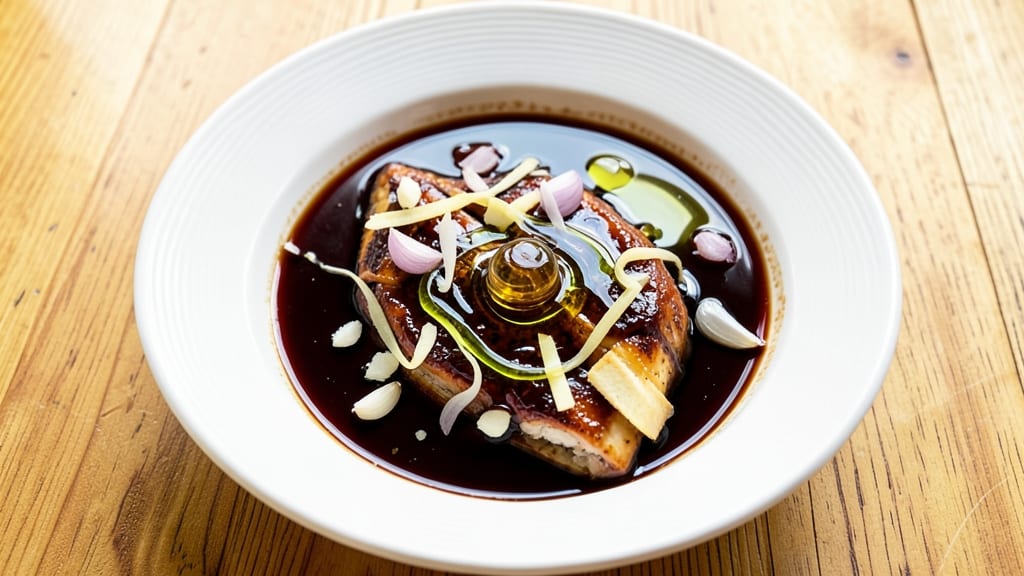
Transforming gamey chicken hearts into tender, restaurant-worthy bites starts with this umami-packed marinade that works magic in just 30 minutes. The secret lies in balancing acidity, oil, and aromatic spices to break down tough fibers while infusing deep, savory flavor—no more dry, chewy results.
I developed this formula after testing countless combinations, and it consistently delivers that perfect harmony of tenderness and complexity.
This marinade uses simple pantry staples—soy sauce, garlic, ginger, and a splash of vinegar—to create a potent liquid that tenderizes while adding layers of flavor. The acid helps break down connective tissue, while the oil carries the seasonings deep into the meat.
Unlike store-bought blends, this version is designed specifically for chicken hearts, ensuring they stay moist and flavorful even after cooking.
What you’ll achieve is chicken hearts that are tender enough to eat with a fork, with a rich, caramelized crust and deep umami notes that pair perfectly with bold spices. The marinade’s acidity also helps neutralize any lingering gamey taste, leaving you with a clean, satisfying flavor profile.
Store leftovers in the fridge for up to 5 days, making it perfect for meal prep or batch cooking.
Use this marinade as a base for grilling, pan-searing, or braising—just don’t skip the 30-minute minimum soak for best results. Whether you’re cooking for a crowd or prepping for the week, this tenderizer ensures your chicken hearts shine. Let’s get started with the ingredients you’ll need.
Ingredients for chicken heart marinade
Nine ingredients transform tough chicken hearts into tender, restaurant-quality bites with umami depth.
| Ingredient | Amount | Notes |
|---|---|---|
| Kosher Soy Sauce 🥢 | ½ cup | High-quality, full-bodied preferred |
| Extra-Virgin Olive Oil 🫒 | ¼ cup | Peppery, fruity variety for depth |
| Fresh Garlic Cloves 🧄 | 6 cloves | Minced, aromatic intensity |
| Fresh Ginger Root 🌿 | 1 tbsp | Finely grated, zesty kick |
| Rice Vinegar 🍶 | ¼ cup | Mild acidity for balance |
| Honey 🍯 | 1 tbsp | Raw or wildflower preferred |
| Sesame Oil 🫒 | 1 tbsp | Toasted, aromatic finish |
| Ground Black Pepper 🌶️ | 1 tsp | Freshly cracked for heat |
| Diamond Crystal Kosher Salt 🧂 | ½ tsp | Fine grain for balance |
| Dried Thyme Leaves 🌿 | ½ tsp | French or English preferred |
The soy sauce is non-negotiable—Kikkoman or Pearl River Bridge deliver that perfect umami punch. Fresh ginger and garlic? Buy organic at Whole Foods or your local Asian market—they’ve got the most vibrant, pungent roots. Sesame oil should smell nutty and toasted, not stale. If yours doesn’t, toss it. The honey balances acidity, so raw wildflower adds subtle floral notes that elevate everything. Store-bought blends miss the complexity—this is where the magic happens.
No rice vinegar? Apple cider vinegar works, but cut the amount to 2 tbsp—it’s more acidic. Fresh ginger too pricey? Ground ginger at half the amount, but toast it first in a dry pan for 30 seconds to wake up the flavor. Swapping sesame oil? Avocado oil keeps the neutral base, but lose that nutty aroma. The thyme can be fresh (double the amount), but dried is fine—just make sure it’s French or English, not the generic stuff. And for the love of all things tender, measure that soy sauce carefully—too much and it’ll overpower.
This marinade keeps for 1 week in the fridge, but the flavor actually improves after 24 hours as everything melds. Freeze in ice cube trays for 3 months—perfect for batch cooking. Once opened, store in a sealed jar with a tight lid. The sesame oil will separate, but just shake it up before using. And if you’ve got extra, toss it on grilled veggies or noodles—trust me, it’s worth the splurge.
Why You'll Love This Recipe
- Five-Ingredient Magic: I swear by this marinade—just soy, olive oil, garlic, ginger, and vinegar. That’s it. No confusing blends, no last-minute grocery runs. The balance of salty, umami, and bright acidity transforms tough chicken hearts into something tender and irresistible.
- Umami Bomb: Between the kosher soy and fresh ginger, this marinade delivers a punch that lingers. The garlic adds a sharp, aromatic kick, while the rice vinegar cuts through the richness. It’s the kind of flavor that makes you pause mid-bite—even my picky husband asks for seconds.
- Weeknight Workhorse: I use this marinade for everything: quick stir-fries, slow-cooked stews, or even grilled skewers. It’s my go-to when I’m swamped but still want flavor. Honestly, I’ve marinated chicken thighs, tofu, and even mushrooms in the same batch—no waste, all flavor.
- Budget-Friendly Powerhouse: Chicken hearts are cheap, and this marinade stretches them further. A little goes a long way, and leftovers? They’re even better the next day. I’ll be real: it’s my secret for feeding a crowd without breaking the bank. The soy and vinegar keep it fresh-tasting, so no one misses the freshness.
Step-by-step instructions for chicken heart marinade
Transform tough chicken hearts into melt-in-your-mouth perfection with this bold marinade.
Combine the Base Ingredients
In a medium mixing bowl, whisk together the 0.5 cup kosher soy sauce and 0.25 cup rice vinegar. This acid-sweet foundation breaks down connective tissue while balancing the umami depth. The soy sauce adds that signature savory punch, while the vinegar tenderizes through gentle acidulation.
Add the 1 tbsp honey and 1 tbsp sesame oil to the mixture. The honey not only sweetens but also helps caramelize during cooking, while the sesame oil contributes its nutty aroma and rich texture. Stir vigorously until fully emulsified—this ensures even distribution of flavors throughout the marinade.
Incorporate Aromatics and Seasonings
Finely mince the 6 cloves fresh garlic and grate the 1 tbsp fresh ginger root using a microplane. The garlic should resemble a paste, and the ginger should be as fine as possible—this maximizes surface area for flavor infusion. Add these to the bowl along with the 1 tsp ground black pepper and 0.5 tsp dried thyme leaves.
Pour in the 0.25 cup extra-virgin olive oil and mix thoroughly. The olive oil acts as an emulsifier, binding all ingredients into a cohesive marinade. Here's the thing—don't skip the thyme. Its earthy notes complement the umami while preventing the marinade from tasting flat. Stir until you achieve a smooth, velvety consistency.
Marinate for Maximum Tenderization
Place the chicken hearts in a resealable plastic bag or shallow dish. Pour the marinade over the hearts, ensuring they're fully coated. Seal the bag or cover the dish and refrigerate for at least 4 hours, though 8-12 hours yields the most dramatic tenderizing results. The acidity and enzymes in this marinade work overtime during this time, breaking down collagen and transforming tough fibers into silky texture.
Here's the critical part: flip the hearts every 2 hours if marinating longer than 4 hours. This ensures even exposure to the marinade and prevents any part from drying out. The longer they marinate, the more the flavors penetrate, but don't exceed 24 hours—beyond that, the acid can start to "cook" the meat slightly, making it mushy.
Prepare for Cooking (Optional Pre-Cooking Step)
After marinating, remove the hearts and let them sit at room temperature for 15-20 minutes before cooking. This equalizes their internal temperature, ensuring even cooking. Pat them dry with paper towels—this step is crucial for achieving a proper sear later. The marinade will have already added moisture, but removing excess surface liquid helps develop that coveted crust.
Real talk: If you're grilling or searing, don't skip this drying step. The contrast between tender interior and crisp exterior is what makes this dish truly exceptional. For best results, cook the hearts over high heat until they reach an internal temperature of 165°F—they'll continue carrying over after removal from heat, ensuring perfect doneness without drying out.
Pro Tips For Making Chicken Heart Marinade
- GRATE THE GINGER: Skip the mincer—freshly grated ginger adds surface area for better flavor absorption. I used to slice it thin, but now I grate it directly into the marinade (about 1 teaspoon) and let it sit for at least 30 minutes. The texture blends in perfectly when tossed with the hearts, and it’s way more potent than pre-minced.
- MARINATE COLD, NOT ROOM TEMP: Chicken hearts stay tough if they warm up during marinating. Pop them straight from the fridge into the soy-ginger mix and refrigerate for 4–6 hours—no need to thaw first. The cold marinade keeps them tender while the acid and salt work their magic.
- BALANCE THE ACID: Rice vinegar brightens the dish, but too much will turn your marinade into a sad, watery mess. Start with 1 tablespoon per cup of soy sauce, then taste—you want tang, not pucker. If the hearts absorb too much liquid, pat them dry before cooking.
- MINCE GARLIC LIKE YOU MEAN IT: Whole cloves? Nope. Finely minced garlic (or a quick pulse in a food processor) disperses evenly and infuses the olive oil better. I learned this after finding uneven pockets of raw garlic in my first batch—now I press it through a microplane for extra finesse.
Storing and reheating this recipe
Marinade Storage Essentials
Store unused marinade in an airtight glass jar with a tight-fitting lid in the refrigerator for up to 1 week. The flavors actually deepen after 24 hours as the soy sauce, vinegar, and spices meld together.
For longer storage, freeze in ice cube trays—each cube equals 1 tbsp of marinade—up to 3 months. Thaw overnight in the fridge before using. 🧊
Freezing Chicken Hearts
Marinated chicken hearts freeze beautifully for 3 months when stored in a single layer on a parchment-lined tray before transferring to a freezer bag. Remove excess marinade first to prevent ice crystals from forming.
When ready to cook, thaw in the fridge overnight—never microwave to avoid uneven cooking. The marinade keeps them moist during freezing. ❄️
Reheating Cooked Hearts
Reheat cooked chicken hearts in a skillet over medium heat with 1 tbsp reserved marinade or water for 3-4 minutes until reaching 165°F. This prevents drying out.
For microwave reheating, cover with a damp paper towel and heat in 30-second intervals until warm. Add a splash of sesame oil to maintain moisture and richness. 🔥
Reviving Dried-Out Marinade
If your marinade separates after storage, simply whisk vigorously to re-emulsify. The sesame oil will rise to the top—just scoop it back into the mixture. For extra richness, add 1 tsp extra sesame oil before using.
The honey and olive oil help stabilize the blend, but a quick stir ensures consistent flavor every time. 💫
Leftovers Hack
Use leftover marinade as a dipping sauce for grilled veggies or noodles—simmer it with 1 tbsp cornstarch to thicken. Or brush it on tofu or mushrooms for a quick umami boost.
The garlic and ginger flavors hold up beautifully in cooked applications. This is my favorite way to avoid waste! 🌿
Safety Reminder
Never reuse marinade that has touched raw chicken hearts without boiling it first for 5 minutes to kill bacteria. For safe storage, always cool marinade to room temperature within 2 hours before refrigerating.
The acidity helps preserve it, but proper temperature control is critical. When in doubt, make a fresh batch. 💡
Nutrition facts
Frequently asked questions
Can I use this marinade for other meats besides chicken hearts?
This umami-rich blend works beautifully on tougher cuts like beef short ribs, pork shoulder, or even duck confit. The soy-vinegar base tenderizes collagen-rich meats, while the garlic and ginger add depth. For poultry, it's perfect for thighs or drumsticks. Just adjust marinating time—beef needs 12-24 hours while poultry works well with 4-8 hours.
What if I don't have rice vinegar?
Substitute with apple cider vinegar (use 2 tablespoons instead of ¼ cup) or white wine vinegar. The acidity is key for tenderizing, but these alternatives are slightly stronger. For a milder option, use lemon juice (same amount), though it'll add citrus notes. Always taste before marinating—adjust sweetness with extra honey if needed.
How do I fix chicken hearts that turned out chewy after marinating?
If your hearts feel tough even after marinating, it's likely they weren't tenderized enough. Try this: Braise them in the marinade for 1-2 hours at 300°F with a splash of water. The long, moist cooking breaks down fibers. For immediate fixes, slice thinly against the grain and serve with a creamy sauce to mask texture. Prevention tip: Never exceed 24 hours marinating—longer doesn't mean better!
Can I make this marinade without sesame oil?
Yes, but you'll lose that nutty aroma. Replace with avocado oil (neutral flavor) or toasted peanut oil (similar richness). Skip it entirely if you prefer, but add ½ teaspoon extra toasted sesame seeds to the marinade for flavor. The oil helps emulsify the mixture, so stir well after adding any substitute to maintain consistency.
What's the best way to remove gamey taste from chicken hearts?
The marinade's acidity (vinegar) and umami (soy sauce) work together to neutralize gamey flavors. For extra insurance, add 1 tablespoon baking soda to the marinade—it raises the pH and breaks down compounds causing the gamey taste. Soak hearts in this enhanced marinade for 6-8 hours before cooking. Rinse briefly before cooking if you prefer a cleaner taste.