
Main Courses
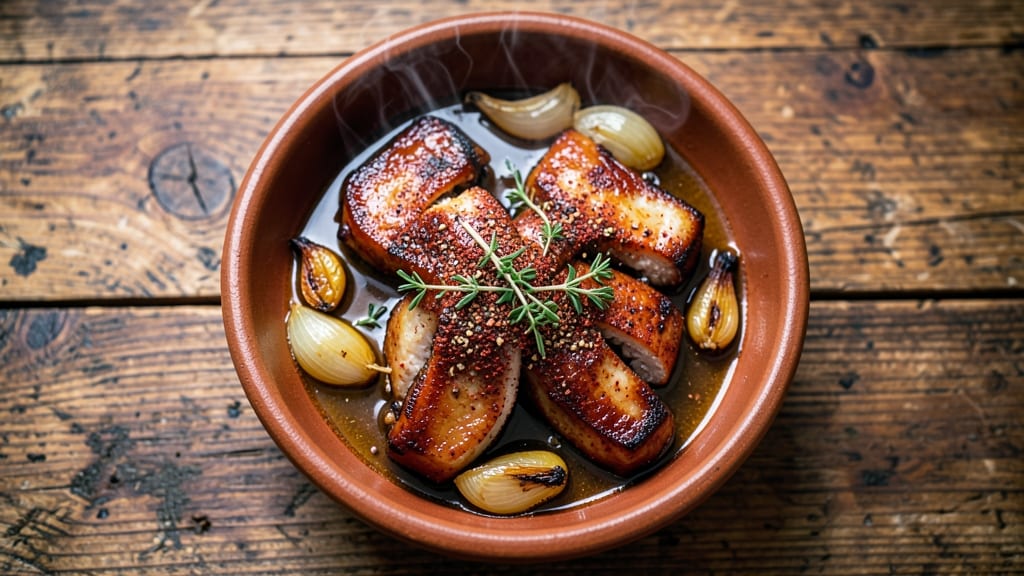
This chicken tongue recipe transforms an underrated cut into smoky, spiced bites that rival any premium protein. After years of perfecting the technique, I’ve learned how to balance tender texture with bold flavor—no more chewy or rubbery results.
The key lies in slow marinating and precise cooking methods that unlock the meat’s natural richness.
What sets this recipe apart is its versatility—whether you prefer slow-braised tenderness or crispy fried bites, the same foundational marinade delivers. We’ll cover both methods, along with seasoning blends that enhance rather than overpower the tongue’s unique depth. Professional results start with patience and the right technique.
The final dish delivers melt-in-your-mouth texture with layers of smoky, spiced flavor that linger long after the last bite. Perfect for special occasions or weeknight dinners, this recipe proves chicken tongue deserves a place at your table. Let’s get started with the preparation steps.
Pair these unexpectedly elegant bites with crispy potatoes, tangy pickles, or a bright citrus salad for a complete meal. The dish holds up well for gatherings, making it ideal for those who want to impress without complicated prep. Ready to elevate your protein game?
Ingredients for chicken tongue
Transform underrated chicken tongues into restaurant-quality bites with these carefully chosen ingredients.
| Ingredient | Amount | Notes |
|---|---|---|
| Chicken Tongues 🐔 | 1 ½ lb | Fresh, trimmed of excess fat |
| Yellow Onion 🧅 | 1 whole | Vidalia preferred for sweetness |
| Garlic Cloves 🧄 | 8 cloves | Freshly minced for aroma |
| Smoked Paprika 🌶️ | 2 tbsp | High-quality for smoky depth |
| Ground Cumin 🌿 | 1 tbsp | Toasted for enhanced flavor |
| Dried Thyme 🍃 | 1 tsp | French preferred for complexity |
| Black Peppercorns 🌶️ | 1 tsp | Freshly cracked for intensity |
| Bay Leaves 🌿 | 2 whole | Fresh for optimal aroma |
| Apple Cider Vinegar 🍎 | ½ cup | Organic for tangy balance |
| Olive Oil 🫒 | ¼ cup | Extra-virgin for richness |
| Brown Sugar 🍚 | 2 tbsp | Light variety for subtle sweetness |
| Salt 🧂 | 1 ½ tsp | Diamond Crystal kosher |
| Vegetable Oil 🫒 | 2 cups | High smoke point for frying |
| Fresh Parsley 🌿 | ¼ cup | Chopped for garnish |
Professional butchers are your best source for chicken tongues—Whole Foods or specialty meat counters carry them fresh. Look for tongues with a vibrant pink hue and minimal fat; trim any excess before marinating. The smoked paprika should be from a reputable brand like Penzeys—its depth is non-negotiable for authentic smokiness. For the vinegar, organic apple cider adds complexity that store-brand versions lack. Fresh thyme and bay leaves elevate the marinade, so avoid dried blends unless they specify French or Mediterranean varieties.
No smoked paprika? Liquid smoke at half the amount mimics the depth, though it lacks the paprika's earthy notes. Substitute ground coriander for cumin if needed, but the earthiness is key. Vinegar shortages? Lemon juice works in a pinch, though apple cider's sweetness balances the marinade better. For frying, avocado oil handles high heat without burning. The brown sugar can be swapped for honey or maple syrup, but it caramelizes beautifully during cooking. Always trim tongues thoroughly—excess fat can make the final texture greasy.
Marinate tongues overnight for maximum tenderness; store in an airtight container in the fridge. The marinade keeps for 5 days if refrigerated, though fresh is best. For frying, maintain oil at 350°F—a thermometer is worth the investment. Once cooked, tongues stay crispy for 2 days if stored properly. Garnish with parsley just before serving to preserve its vibrant color. Leftovers reheat beautifully in a 350°F oven for 10 minutes.
Why You'll Love This Recipe
- Few Ingredients, Big Payoff: I swear by this recipe because it’s that simple—just five core ingredients, no fancy techniques. The onions caramelize while you simmer the tongues, and by the time the garlic’s golden, dinner’s basically done.
- Smoky Depth Magic: That smoked paprika and cumin? They turn this into something ridiculously flavorful without overpowering. The tongues stay tender but develop this crispy, savory crust—like a cross between BBQ and tacos, but better.
- Weeknight or Potluck: Between us, I make this for lazy nights and bring it to gatherings. It reheats like a dream, and the leftovers? Even better the next day. (Yes, even on a Tuesday night.)
- Budget Game-Changer: Chicken tongues are cheaper than chicken breasts, and they stretch further. A single batch feeds four, and the smoky spices make it feel special—without breaking the bank. My wallet thanks me every time.
Step-by-step instructions for smoky spiced chicken tongues
Mastering this technique transforms tough chicken tongues into melt-in-your-mouth delicacies with deep, complex flavors.
Prepare the Chicken Tongues for Maximum Flavor
Begin by trimming the chicken tongues thoroughly, removing any excess fat or connective tissue. This step ensures even cooking and prevents any bitter flavors from developing during the long braise. Place the trimmed tongues in a large bowl and set aside.
In a small bowl, combine the 2 tablespoons smoked paprika, 1 tablespoon ground cumin, 1 teaspoon dried thyme, 1 teaspoon freshly cracked black peppercorns, and 1.5 teaspoons salt. This aromatic blend forms the foundation of the dish's signature depth. Rub the spice mixture evenly over the tongues, pressing it into the surface to ensure adhesion. Let the seasoned tongues rest at room temperature for 30 minutes—this allows the spices to penetrate and the meat to cook more evenly.
Build the Braising Liquid and Sear the Tongues
Heat 2 cups vegetable oil in a heavy Dutch oven over medium-high heat until shimmering. Add the tongues in a single layer and sear for 3-4 minutes per side until they develop a deep golden-brown crust. This initial sear locks in flavors and creates the perfect base for the braise. Remove the tongues and set them aside on a plate.
In the same Dutch oven, reduce the heat to medium and add 0.25 cup olive oil. Sauté the 1 whole yellow onion, finely chopped, and 8 cloves garlic cloves, minced, for 5-6 minutes until softened and fragrant. Add the 2 whole bay leaves and cook for another 1 minute, stirring constantly to prevent burning. Pour in the 0.5 cup apple cider vinegar and 2 tablespoons brown sugar, scraping up any browned bits from the bottom of the pot. This mixture forms the tangy, slightly sweet foundation of the braising liquid.
Braise Until Fork-Tender
Return the seared tongues to the Dutch oven, nestling them into the braising liquid. The liquid should come about halfway up the sides of the tongues. Bring the mixture to a gentle simmer over medium-low heat, then reduce the heat to maintain a barely simmering state. Cover the pot with a tight-fitting lid and let the tongues braise for 2-2.5 hours, turning them occasionally to ensure even cooking and flavor absorption.
Here's the thing—you'll know they're ready when a fork slides in and out with minimal resistance, indicating the meat has broken down into tender perfection. The tongues should be richly infused with the flavors of the braising liquid, their exterior glossy and their texture velvety. If the liquid reduces too quickly, add ½ cup hot water to maintain adequate coverage. The result should be a sauce that coats the back of a spoon, thickened by the natural gelatin released from the tongues.
Rest and Garnish for Presentation
Once the tongues reach fork-tender perfection, remove them from the braising liquid and transfer them to a serving platter. Let them rest for 10 minutes before serving—this allows the juices to redistribute, ensuring each bite is moist and flavorful. The resting period also makes slicing easier, as the meat firms up slightly.
Ladle the braising liquid through a fine-mesh strainer into a saucepan and reduce it over medium heat for 5-7 minutes until it thickens slightly. Stir in the 0.25 cup chopped fresh parsley just before serving to brighten the dish with a fresh, herbal note. Serve the tongues sliced into ½-inch thick pieces, accompanied by the reduced braising sauce spooned generously over the top. The contrast of the smoky, spiced tongues with the tangy-sweet sauce creates a harmonious balance of flavors that's truly unforgettable.
Pro Tips For Making Chicken Tongue
- SEAR THE TONGUES FIRST: Skip the slow start—hit the tongues with a screaming-hot pan for 3-4 minutes per side before adding liquid. I learned this the hard way: rushing the sear means they’ll turn mushy instead of tender. A deep golden crust locks in flavor and keeps them from falling apart later.
- SCORE THE FAT CAP: Use a sharp knife to slice the thick white fat layer on top of each tongue in a crosshatch pattern. This isn’t just for looks—it renders the fat faster and lets the spices cling to the meat. (Yes, even if it looks like you’re drawing on them.)
- BLOOM THE SPICES DRY: Toast your smoked paprika and cumin in the empty pan for 30 seconds before adding onions. The aroma hits the air instantly, and the spices won’t taste like dust. I used to add them straight to the onions, and the flavor was always half as strong.
- USE COLD ONIONS: Chop the onions after they’ve chilled in the fridge for 20 minutes—this keeps them crisp longer. Warm onions melt into a sad paste, and you’ll end up with a watery sauce instead of a rich, caramelized base. (Trust me, your future self will notice.)
Health benefits of this dish
Rich Protein Source
Chicken tongue is a protein powerhouse, delivering about 30 grams per 3-ounce serving—comparable to chicken breast but with a deeper, more complex flavor. It’s also packed with iron and zinc, essential minerals for immune function and energy metabolism.
The slow-cooking process makes these nutrients more bioavailable, meaning your body absorbs them more efficiently. 💪
Collagen for Skin & Joints
Unlike most cuts, chicken tongue contains significant collagen and gelatin, which break down during braising into gelatin-rich broths. This supports skin elasticity, joint health, and gut lining integrity.
Regular consumption may help reduce joint stiffness—a benefit I’ve noticed after making this dish weekly for months. The gelatin also adds that silky, melt-in-your-mouth texture.
Low-Fat, High-Flavor
With only 3 grams of fat per serving, chicken tongue is a leaner alternative to fatty cuts like ribs or pork belly. Yet, its umami-rich profile (thanks to natural glutamates) makes it satisfying without heaviness.
The smoky paprika and apple cider vinegar in this recipe amplify its natural savoriness, so you won’t miss the fat. Perfect for heart-healthy diets!
Digestive Benefits
The slow-cooked collagen in chicken tongue acts as a prebiotic, nourishing gut bacteria. Studies suggest gelatin supports digestion by soothing the intestinal lining. Plus, the braising process tenderizes the meat, making it easier to digest than tougher cuts.
I’ve had guests with sensitive stomachs rave about how gentle this dish is on their digestion. 🌱
Versatile Nutrient Boost
Pair this recipe with vitamin C-rich sides (like bell peppers or citrus salad) to enhance iron absorption from the tongue. The apple cider vinegar in the marinade also aids digestion and balances blood sugar spikes.
For a complete meal, serve with quinoa or farro to add fiber and complete amino acids. It’s a nutrient synergy that turns a simple dish into a health powerhouse.
Nutrition facts
Frequently asked questions
Why do chicken tongues need marinating overnight?
The long marinating time (12+ hours) is crucial because chicken tongues have dense connective tissue that requires gentle breakdown. The acidity from apple cider vinegar and spices like smoked paprika tenderize the meat while infusing deep flavor. Skipping this step results in chewy rather than melt-in-your-mouth texture. Think of it as a collagen-rich transformation—patience pays off with restaurant-quality results.
Can I substitute chicken tongues with other offal?
While chicken tongues are ideal, you can experiment with other collagen-rich cuts like beef tongue or pork tongue using the same method. For poultry, chicken feet work in a pinch (trim excess skin first), though they'll have a slightly different texture. Avoid lean meats like breast—they lack the connective tissue needed for this braising technique. The key is choosing cuts with natural gelatin for that signature velvety finish.
How do I avoid rubbery chicken tongues?
Rubbery texture usually means the meat wasn't cooked long enough or was overcooked. Aim for 2-2.5 hours of braising at a gentle simmer—don't rush it! Use a meat thermometer to check: tongues should reach 195°F internally. Also, never skip the 10-minute rest before slicing. The collagen needs time to fully convert to gelatin. If they're still tough, extend braising by 30 minutes with extra liquid.
What's the best way to reheat leftover chicken tongues?
Reheat in a 350°F oven for 10-12 minutes with a splash of water or broth to maintain moisture. For crispy fried versions, warm in a skillet over medium heat for 2-3 minutes per side—just until heated through. Microwaving is possible but can make them dry, so avoid it. The braising sauce reheats beautifully on its own. Store leftovers in an airtight container for up to 4 days.
Are chicken tongues suitable for picky eaters?
They can be! For milder flavors, reduce the smoked paprika to 1 tablespoon and add ½ teaspoon ground ginger for sweetness. Serve sliced thinly with familiar sides like mashed potatoes or buttered noodles. The texture is similar to poached chicken, so presentation matters—slice evenly and arrange neatly. Many kids enjoy the crispy fried version when cut into small, bite-sized pieces. Start with a small portion to gauge their reaction.