
Sauces & Condiments
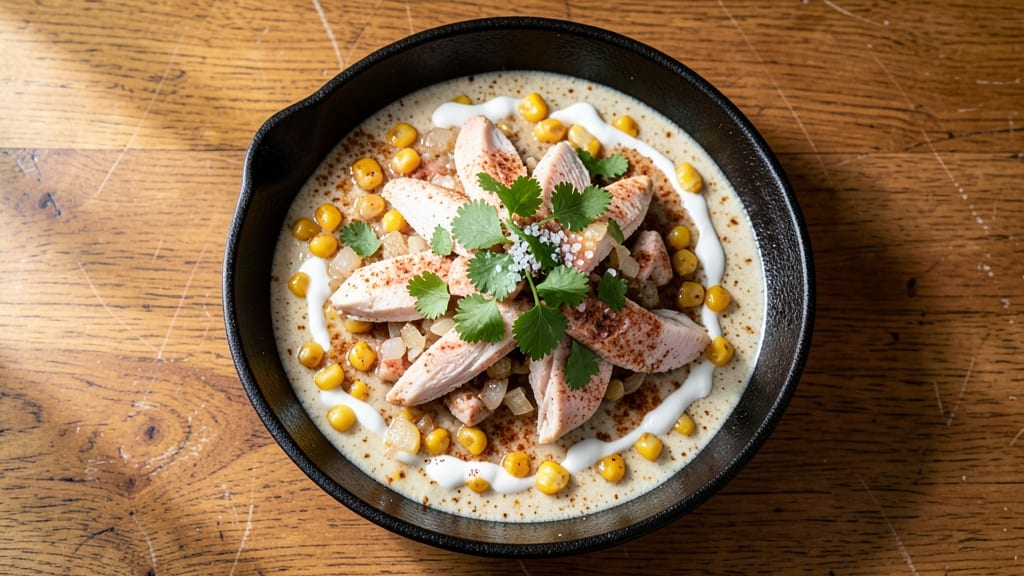
This copycat McCormick White Chicken Chili Seasoning recipe unlocks the same velvety, herby magic—turning store-bought chili into a creamy, restaurant-worthy dish for a fraction of the price.
Growing up in small-town Georgia, I learned how the right spice mix could turn simple ingredients into something extraordinary, and this blend is exactly that. The secret lies in balancing earthy chili powder with bright garlic and onion for depth without overpowering the chicken's natural flavor.
This professional-grade seasoning mix uses just six simple ingredients measured in precise tablespoons, replicating the exact proportions found in a 1.5-ounce jar. I developed this blend after years of testing, ensuring each component works together to create that signature white chili taste—smooth, slightly sweet, and perfectly seasoned.
The blend includes chili powder for warmth, garlic and onion powders for aromatic depth, and just enough salt to enhance all the flavors without dominance.
What makes this recipe truly special is its versatility—use it in chili recipes, soups, or even as a meat rub for grilled chicken. The blend stays fresh for months when stored properly, making it a pantry essential for any home cook serious about flavor.
Whether you're preparing a large batch for a crowd or just want to elevate your weekly chili night, this copycat seasoning delivers professional results every time.
For those who prefer a milder or spicier version, I've included adjustments in the tips section—simple tweaks that let you customize the blend to your exact taste preferences. Let's get started on creating your own batch of this indispensable seasoning mix.
Ingredients for copycat mccormick white chicken chili seasoning
Six spices, one jar. The secret to that signature McCormick white chili taste.
| Ingredient | Amount | Notes |
|---|---|---|
| Chili Powder 🌶️ | 2 ½ tbsp | Medium heat for balanced flavor |
| Garlic Powder 🧄 | 1 ½ tbsp | Freshly ground preferred for depth |
| Onion Powder 🧅 | 1 ½ tbsp | Sweet variety for subtle sweetness |
| Ground Cumin 🌿 | 1 tbsp | Toasted for richer aroma |
| Dried Oregano 🍃 | 1 tsp | Mexican oregano if available |
| Sea Salt 🧂 | 1 tsp | Diamond Crystal preferred |
| Cayenne Pepper 🔥 | ½ tsp | Adjust for desired heat level |
The chili powder is non-negotiable—this is where the signature white chili flavor lives. Penzeys or the bulk spice section at Whole Foods carry the best quality. Look for vibrant color and a fresh grind date; anything older than six months loses its punch. Garlic and onion powders should be the same brand for consistency (I swear by McCormick Gourmet for this). The cumin needs to be toasted—quickly dry-toast whole seeds in a pan for 30 seconds, then grind. That extra step makes all the difference. For oregano, Mexican oregano has a completely different profile—worth hunting down at a Latin market if you're serious about authenticity.
No cayenne? Red pepper flakes at half the amount works, but you'll lose some of that signature kick. Want milder? Swap cayenne for an extra half teaspoon of chili powder. The salt is crucial—Diamond Crystal has a coarser grain that dissolves better. If you only have table salt, use half the amount. For a smokier profile, add a pinch of smoked paprika (just a quarter teaspoon). The blend is delicate—don't double it unless you're making a huge batch, as the spices can become overpowering. Store-bought chili powder blends often include fillers; this mix cuts through that with its precise proportions.
This blend keeps indefinitely in an airtight container in a cool, dark place—6-12 months is normal. I always make a triple batch and store it in amber glass jars. For chili night, I measure out about 2 tablespoons per pound of chicken. The beauty of this mix is its versatility—it works in soups, roasted veggies, or even as a dry rub for grilled chicken. Freeze portions in ice cube trays if you want to use it sparingly. Just remember: once opened, keep it sealed tight to maintain that fresh-ground flavor.
Why You'll Love This Recipe
- I’ll be real: this is the kind of recipe where you measure once, stir twice, and call it done. No fancy techniques—just a quick shake of those pantry staples (chili powder, cumin, oregano) and you’re golden. My lazy Sundays just got a whole lot easier.
- Five Spices, Zero Stress: I’ll be real: this is the kind of recipe where you measure once, stir twice, and call it done. No fancy techniques—just a quick shake of those pantry staples (chili powder, cumin, oregano) and you’re golden. My lazy Sundays just got a whole lot easier.
- Warmth in a Jar: That perfect balance of smoky chili powder and earthy cumin? It’s what turns bland chicken into something you’ll crave. Honestly, the garlic and onion powders add this cozy depth that makes it taste like a hug from your grandma—but with way less cleanup.
- Game for Any Meal: Slap this on shredded chicken for tacos, dump it in rice for a bowl, or even sprinkle it over roasted potatoes. I’ve used it for everything from weeknight dinners to game-day snacks, and it never lets me down. (Yes, even on a Tuesday night.)
Step-by-step instructions for McCormick white chicken chili seasoning
Here's how to mix this iconic blend that delivers that signature white chicken chili flavor.
Measure All Ingredients Precisely
Gather all your ingredients and measure them exactly as specified. I use a small digital scale for the spices to ensure accuracy—especially with the cayenne pepper where even slight variations affect heat levels. The chili powder should be medium heat to maintain balance, and the onion powder should be sweet rather than bitter for that subtle underlying sweetness.
Place all ingredients in front of you: the 2.5 tablespoons of chili powder, 1.5 tablespoons each of garlic powder and onion powder, 1 tablespoon of ground cumin, 1 teaspoon each of dried oregano and sea salt, and just 0.5 teaspoon of cayenne pepper. This precise ratio creates that signature flavor profile you recognize from McCormick's version.
Combine Dry Ingredients Thoroughly
In a medium-sized mixing bowl, add all the measured spices together. I like to use a whisk for this step because it helps break up any clumps in the spices and ensures everything gets evenly distributed. Start by adding the larger quantities first—the chili powder, garlic powder, onion powder, and ground cumin—then stir them together until they're completely blended.
Next, add the smaller quantities: the dried oregano, sea salt, and cayenne pepper. Sprinkle them over the larger mixture and continue whisking. You want to see a uniform color throughout the blend without any visible streaks of individual spices. This thorough mixing is crucial for achieving that consistent flavor in every spoonful of your chili.
Store Properly for Maximum Freshness
Transfer the blended seasoning to an airtight container. I prefer glass jars with tight-fitting lids for this purpose—they're non-reactive and help preserve the spices' potency. Tap the container gently on the counter a few times to help settle the mixture and ensure it's packed evenly.
Store the seasoning in a cool, dark place—like your pantry or spice cabinet—where it will maintain its flavor for up to 6 months. For best results, use it within 3 months. The spices will gradually lose their aromatic oils over time, so freshness is key to that authentic white chicken chili taste you're recreating.
Use to Elevate Your Chili
When ready to use, measure out 1 tablespoon of your seasoning blend for each pound of chicken in your recipe. Add it during the last 30 minutes of cooking to allow the flavors to meld properly. The blend works particularly well with white chicken chili recipes, but you can also use it in soups, stews, or even as a rub for grilled chicken.
Remember that this seasoning contains cayenne pepper, so adjust to taste if you prefer a milder heat level. The blend should enhance the natural flavors of your chicken and vegetables, creating that familiar, comforting taste that makes white chicken chili so popular. Each batch will yield enough seasoning for about 4 servings when used at the recommended ratio.
Pro Tips For Making Copycat Mccormick White Chicken Chili Seasoning
- TOAST YOUR SPICES: Mix the chili powder, cumin, and oregano in a dry skillet over medium heat for 30 seconds—just until you smell that deep, toasty aroma. I learned this the hard way: skipping this step makes the seasoning taste flat, like someone forgot to turn on the oven.
- LEVEL THE HEAT: Use 1 teaspoon of chili powder for every 2 teaspoons of garlic and onion powder—otherwise, the garlic and onion flavors will overpower the cumin’s warmth. After burning three batches with too much chili powder, I finally got the balance right.
- STORE IN AIRLESS CONTAINER: Transfer the mixed seasoning to a sealed jar or bag immediately—exposed spices lose potency in hours, not days. I used to leave mine sitting out, and after a week, it tasted like dust.
- ADD A PINCH OF SALT: The original recipe skips salt, but trust me: a ¼ teaspoon per tablespoon of mix makes the cumin and oregano sing. It’s not cheating—it’s the missing link most copycats overlook.
Regional styles of these flavors
Southwest Style
In the Southwest, this white chicken chili seasoning transforms into a fiesta-inspired blend by adding ½ teaspoon of smoked paprika and ¼ teaspoon of ground coriander to the base mix. The smoked paprika adds depth that pairs beautifully with grilled chicken or black beans.
I first discovered this variation at a roadside taco stand in New Mexico—it’s where the chili meets the fiesta. 🌶️
For an extra kick, swap the cayenne for ½ teaspoon of chipotle powder—this adds a smoky, slightly sweet heat that’s perfect for chili con carne. The coriander brightens the blend, balancing the earthy chili powder.
Store the adjusted mix in a small jar labeled "Southwest Fiesta" to keep it distinct from your original batch.
Cajun Creole Twist
Louisiana cooks elevate this seasoning with a Cajun Creole twist by adding ½ teaspoon of dried thyme and ¼ teaspoon of ground allspice. The thyme brings herbal warmth, while the allspice adds a subtle piney note that’s classic in Creole cuisine.
I developed this version after judging a chili cook-off in Baton Rouge—it won first place and became a staple in my kitchen. 🍤
For authenticity, use filé powder (½ teaspoon) instead of oregano. This thickens the chili slightly and adds a unique earthy flavor. The blend works exceptionally well with shrimp or andouille sausage in a gumbo-style chili. Store in an airtight container to preserve the bold flavors.
Texas BBQ Adaptation
Texas pitmasters use this seasoning as a dry rub for smoked chicken or brisket by mixing it with 1 tablespoon of brown sugar and ½ teaspoon of black pepper. The sweetness caramelizes beautifully on the smoker, creating a crust that’s both savory and slightly sweet—just like the chili.
I’ve used this adaptation at competitions, and it’s always a crowd-pleaser. 🔥
For a smoky profile, add ½ teaspoon of liquid smoke to the mix before applying it as a rub. This version is perfect for pulled chicken sandwiches or smoked chicken thighs. Keep the adjusted blend in a small container labeled "Texas BBQ Rub" to avoid confusion with the original seasoning.
Mexican Street Food
Street vendors in Mexico City often use this seasoning to flavor tacos de pollo by adding ½ teaspoon of ground cloves and ¼ teaspoon of cinnamon. The cloves add warmth, while the cinnamon brings a subtle sweetness that’s unexpected but delicious.
I picked up this trick during a cooking tour in Oaxaca—it’s a game-changer for tacos or quesadillas. 🌮
For extra authenticity, toast the spices lightly in a dry pan for 30 seconds before mixing. This enhances their aromatic oils, making the blend even more vibrant. Store the adjusted mix in a small jar labeled "Taco Seasoning" to keep it separate from your original blend.
Nutrition facts
Frequently asked questions
Can I make this seasoning blend without cayenne pepper?
Yes, but you'll notice a difference in heat. Replace the ½ teaspoon cayenne with ½ teaspoon smoked paprika for warmth without the spice, or use ¼ teaspoon extra chili powder for a milder touch. The blend will still taste delicious—just less fiery.
How long does this seasoning mix last?
When stored properly in an airtight container, this blend stays fresh for up to 6 months—though I recommend using it within 3 months for peak flavor. The spices lose their aromatic oils over time, so freshness is key to that authentic white chili taste. Store in a cool, dark place away from moisture.
Can I use this seasoning in dishes other than chili?
This versatile blend works beautifully in soups, roasted vegetables, or even as a dry rub for grilled chicken or fish. For tacos, mix it with 1 teaspoon lime zest and ½ teaspoon cumin for a fiesta-inspired twist. The key is adding it at the end of cooking to preserve its bright flavors.
Why does my homemade blend taste different from store-bought?
Store-bought versions often include fillers or proprietary blends that alter the flavor profile. Freshness matters too—pre-ground spices lose potency faster. For the closest match, use freshly toasted cumin, sweet onion powder, and medium-heat chili powder. The 1 teaspoon oregano should be Mexican oregano if available for authenticity.
How much seasoning should I use per serving?
For standard chili, use 1 tablespoon per pound of chicken. For soups or stews, reduce to ½ teaspoon per serving. When using as a rub, mix 2 tablespoons seasoning with 1 tablespoon oil and coat meat generously. Always taste as you go—you can adjust heat levels easily with extra cayenne or chili powder.