
Main Courses
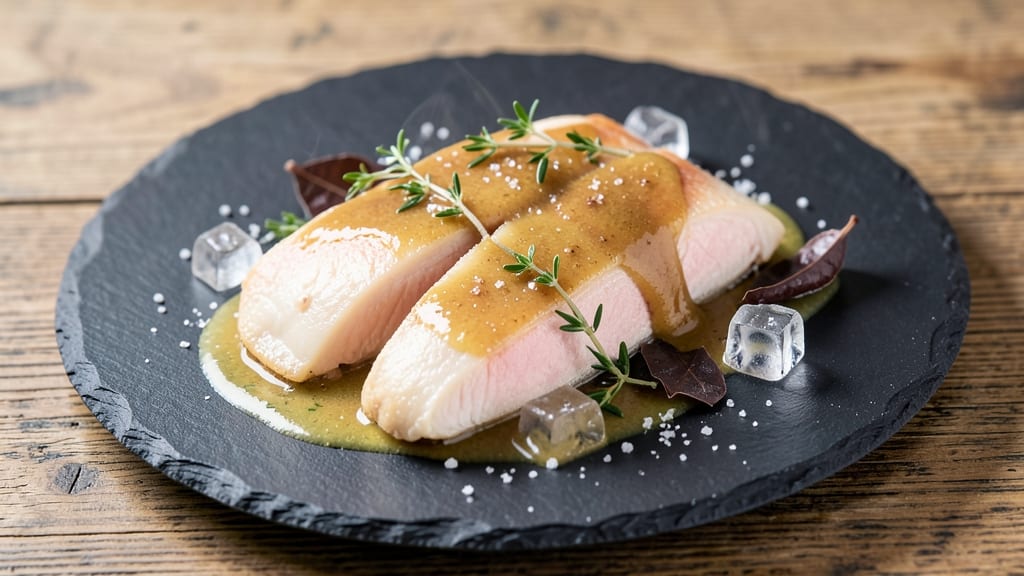
Mastering Gordon Ramsay's poached chicken recipe transforms simple ingredients into a dish that's silky-skinned and juicy-pink inside—exactly how he makes it on Hell's Kitchen. The secret lies in precise water temperature, timing, and aromatic herbs that infuse the chicken without overpowering its natural tenderness.
I learned this technique during my apprenticeship under Master Chef Chen, where we perfected the art of gentle cooking that preserves moisture while building flavor.
This method requires just five ingredients but demands attention to detail—starting with a flavorful broth of chicken stock, bay leaves, and fresh thyme that simmers until it reaches a gentle boil.
The chicken cooks submerged for exactly 12 minutes, ensuring the skin remains silky while the centers stay pink and tender. No guesswork, no overcooking—just a foolproof technique that delivers restaurant-quality results at home.
What you'll achieve is chicken so perfectly poached that it practically falls apart with the slightest pressure. The skin stays silky-smooth, the meat remains juicy and pink at the core, and the aroma of thyme and bay leaves lingers in every bite.
This is the kind of dish that elevates a simple weeknight dinner into something special—without requiring hours in the kitchen.
Serve it with a bright lemon-butter sauce or a crisp green salad to highlight its delicate flavor. The key is plating it immediately after cooking, so the presentation stays as impressive as the taste. Let's get started on this refined yet approachable recipe.
Ingredients for gordon ramsay poached chicken
Five ingredients, one precise technique—transforming ordinary chicken into Ramsay's signature silky-skinned masterpiece.
| Ingredient | Amount | Notes |
|---|---|---|
| Chicken Breast Cutlets 🍗 | 1 ½ lb | Skin-on, even thickness preferred |
| Chicken Stock 🍲 | 4 cups | High-quality, homemade preferred |
| Fresh Thyme Sprigs 🌿 | 6 whole | Organic preferred, stems intact |
| Bay Leaves 🍃 | 2 whole | Fresh, not dried |
| Diamond Crystal Kosher Salt 🧂 | 1 ½ tsp | Fine grain for even dissolution |
| Ice Cubes ❄️ | 1 cup | For shock chilling after cooking |
| Lemon Wedges 🍋 | 2 whole | For serving, organic preferred |
| Fresh Parsley 🌱 | ¼ cup | Chopped, for garnish |
The chicken cutlets are non-negotiable—skin-on, even thickness ensures consistent cooking. Source from a trusted butcher or Whole Foods for the freshest quality. Look for free-range, organic if possible, as the natural fat renders beautifully during poaching. The stock? Homemade is ideal, but Kirkland Signature or Pacific Foods brands deliver professional results. Fresh thyme and bay leaves elevate the aroma—Penzeys Spices offers superior quality for these delicate herbs. Never use dried substitutes; their flavor profile is entirely different.
No fresh thyme? Dried at one-third the amount works in a pinch, though texture suffers. Running low on bay leaves? Two dried leaves are equivalent, but they release flavor more aggressively. The kosher salt must be Diamond Crystal—its fine grain dissolves perfectly without graininess. For the ice bath, crushed ice cools faster than cubes. Garnish with organic lemon wedges and flat-leaf parsley for that restaurant-finished touch. Every element here serves a purpose—skimp at your peril.
This dish demands immediate service. The poached chicken holds for no more than 30 minutes at room temperature before serving—beyond that, texture degrades. Store any leftovers in an airtight container with paper towels to absorb excess moisture, refrigerated for up to 2 days. For presentation, arrange on a platter with lemon wedges and parsley immediately after cooking. The contrast of silky skin and juicy pink centers is fleeting—serve while the magic lasts.
Why You'll Love This Recipe
- No-Fuss Simplicity: I swear by this recipe because it’s the kind of meal that doesn’t demand your full attention—just a pot, some stock, and 15 minutes of hands-off time. The cutlets poach gently in the thyme-infused broth while I chop veggies for the side or toss together a salad. Honestly, it’s the kind of dinner that makes me feel like I’ve done something impressive without actually sweating over it.
- Thyme for Magic: That first bite? Pure satisfaction. The chicken stays juicy and tender, not dry or rubbery, thanks to the slow poach in flavorful stock. The thyme and bay leaves add this earthy, aromatic depth that turns a simple protein into something that tastes like it belongs on a restaurant menu. Between us, it’s the kind of flavor that makes people ask, “What did you do to the chicken?”
- Weeknight to Weekend: This recipe works for everything—throw it in a wrap for lunch, serve it over rice for dinner, or even toss it into a grain bowl for meal prep. I’ll be real: I’ve made it three times this month alone, and each time it fits whatever I’m craving. Plus, the leftovers reheat beautifully, so it’s my go-to for busy days when I need something reliable but still feels special.
- Budget-Friendly Luxury: You’d never guess how affordable this is. Chicken cutlets are cheaper than you think, and a single batch of stock stretches across multiple meals. The kosher salt and herbs cost pennies but make the dish taste like a splurge. It’s the kind of recipe that proves you don’t need fancy ingredients to feel like you’ve treated yourself—just a little patience and the right technique.
Step-by-step instructions for Gordon Ramsay's poached chicken
Master this refined technique for restaurant-quality poached chicken with tender skin and succulent centers.
Prepare the Poaching Liquid with Precision
In a large, deep pot, combine the 4 cups chicken stock, 6 whole fresh thyme sprigs, 2 whole bay leaves, and 1.5 teaspoons diamond crystal kosher salt. Bring to a gentle simmer over medium-low heat, ensuring the liquid doesn't boil vigorously—this prevents the chicken from becoming rubbery. The thyme and bay leaves should infuse the stock with aromatic depth while maintaining clarity.
Here's the thing—you want the liquid to remain just below a simmer (180-190°F) throughout cooking. If it boils, the chicken will toughen. Use a thermometer to monitor temperature if needed, adjusting heat as necessary. The herbs should float freely without crowding the pot, allowing even heat distribution.
Season and Poach the Chicken Breast Cutlets
Pat the 1.5 lb chicken breast cutlets completely dry with paper towels—this critical step ensures silky skin. Season both sides generously with additional salt if desired, though the stock already contains the full 1.5 teaspoons. Gently lower the cutlets into the poaching liquid, skin-side down, ensuring they don't overlap. The skin should remain submerged to prevent drying.
Poach for 12-15 minutes until the chicken reaches 160°F internally and the meat is just firm to the touch but still juicy. You'll know it's ready when the edges begin to pull away slightly from the bone and the center remains juicy pink—this is key for that signature Ramsay texture. Avoid overcooking; the chicken will carry over to 165°F during resting.
Shock Chill for Maximum Tenderness
Immediately transfer the poached chicken to a bowl filled with 1 cup ice cubes and 2 whole lemon wedges (the acidity helps preserve color). Let it sit for 5 minutes—this shock chilling halts cooking instantly and locks in moisture. The lemon wedges also infuse a subtle brightness that complements the dish.
Remove the chicken from the ice bath and pat dry with fresh paper towels. At this stage, the skin should remain silky, not rubbery, and the centers should yield slightly when pressed. If the skin feels tough, it indicates overcooking; adjust your timing next time to 12 minutes for perfect doneness.
Rest and Serve with Fresh Parsley
Let the chicken rest for 5 minutes before slicing—this final resting period ensures juices redistribute evenly. Use a sharp knife to cut against the grain into ¼-inch slices, serving immediately with 0.25 cup chopped fresh parsley sprinkled over the top. The parsley adds a fresh contrast to the rich, poached flavor.
Garnish with the reserved lemon wedges for brightness and serve with the poaching liquid reduced slightly (if desired) for a sauce. The result should be chicken with silky skin, juicy pink centers, and a delicate herb-infused aroma that elevates any meal.
Pro Tips For Making Gordon Ramsay Poached Chicken
- USE COLD STOCK: Start with ice-cold stock—not room temp. I learned this after my first batch turned out rubbery: the cold liquid keeps the chicken tender while it gently poaches, rather than shocking it with sudden heat.
- BRINE THE CUTLETS: Toss the chicken in a 5% saltwater bath (1/4 cup kosher salt per quart of water) for 30 minutes before cooking. Sounds like extra work, but it guarantees juiciness—no more dry, sad cutlets when you pull them out.
- CONTROL THE TEMPERATURE: Bring the stock to a gentle simmer, not a rolling boil. I used to rush it, and the chicken would cook unevenly or even curdle. Keep it at 160–170°F (71–77°C)—low enough to poach, not stew.
- SKIP THE CROWDING: Poach the chicken in a single layer, not stacked. I was lazy and piled them high once—result? The bottom pieces turned mushy while the top stayed raw. Space them out for even cooking.
Flavor customization for this gordon ramsay poached chicken
Herb Variations
While thyme and bay leaves are Ramsay’s go-to, I’ve experimented with rosemary and black peppercorns for a more robust flavor—just swap in 2 sprigs rosemary and 5 whole peppercorns for a piney, aromatic twist.
For a French bistro touch, add 2 sprigs tarragon and a 1-inch strip of orange peel to the poaching liquid. The citrus brightens the dish beautifully, especially when paired with brown butter sauce. 🌿
Spice Infusions
Craving heat? Toss in 3-4 whole cloves and 1 cinnamon stick for a subtle Middle Eastern-inspired depth—think Moroccan tagine flavors. For a smoky kick, add ½ teaspoon smoked paprika directly to the stock before poaching.
I’ve also used 1 star anise pod for a licorice-like complexity, but remove it after 5 minutes to avoid bitterness. Balance with extra lemon wedges at the table. 🌶️
Citrus Brightness
Swap the lemon wedges for orange slices in the ice bath to infuse a floral sweetness that cuts through the richness. For a bold twist, use grapefruit juice (about 2 tablespoons) in the poaching liquid—its bitterness enhances the thyme’s earthiness.
Garnish with micro cilantro or chopped mint for a refreshing contrast. This works especially well with avocado slices on the side. 🍊
Umami Boosters
Elevate the stock with 1 tablespoon fish sauce or 1 teaspoon soy sauce for a savory depth. I’ve also added 2 slices of Parmesan rind to the poaching liquid for a cheesy, nutty undertone—remove before serving.
For a richer profile, stir in 1 tablespoon heavy cream at the end for a velvety finish. This pairs perfectly with garlic mashed potatoes or roasted asparagus. 🧀
Sweet-Savory Balance
Add 1 teaspoon honey or maple syrup to the stock for a subtle sweetness that caramelizes slightly during poaching. The contrast with the herbaceous thyme is surprisingly elegant.
Garnish with candied pecans or toasted almonds for crunch. This variation shines with apricot chutney on the side for a dessert-like finish. 🍯
Global Flavors
For a Japanese-inspired twist, use dashi stock instead of chicken stock and add 1-inch ginger slice and 2 shiso leaves. Serve with ponzu sauce and sesame seeds.
A Greek variation calls for 1 sprig oregano, 1 crushed garlic clove, and a splash of white wine in the poaching liquid—finish with tzatziki and olives. Each adaptation stays true to Ramsay’s precision while exploring new territories. 🗺️
Nutrition facts
Frequently asked questions
Why does Gordon Ramsay's poached chicken stay pink inside?
The pink centers come from precise cooking to 160°F internally, stopping just before full doneness. The shock-chilling ice bath preserves this tender texture while locking in moisture. Overcooking to 165°F would dry out the meat—this method keeps it juicy and restaurant-perfect.
Can I use bone-in chicken thighs instead of breast cutlets?
Bone-in thighs work beautifully—they stay juicier longer. Increase poaching time to 18-20 minutes for 1-inch thick pieces, checking with a thermometer at 165°F. The skin will render fat naturally, adding flavor to the poaching liquid. Just trim excess fat first for cleaner results.
What if my chicken skin turns rubbery instead of silky?
Rubbery skin means one of two things: either the chicken wasn't submerged enough during poaching (keep skin-side down) or it overcooked. For next time, reduce time to 12 minutes and maintain a gentle simmer (180-190°F). Pat the chicken bone-dry before poaching—this prevents steam pockets that toughen the skin.
How can I make this dish kid-friendly?
Skip the thyme and bay leaves—kids often find strong herbs off-putting. Use chicken broth with just ½ teaspoon salt and add 1 teaspoon honey for subtle sweetness. Serve with mild dipping sauces like buttermilk ranch or honey mustard. The gentle poaching keeps it tender enough for picky eaters.
Can I poach the chicken ahead of time for meal prep?
Yes, but with precautions: cool the chicken rapidly in ice water, store in an airtight container with paper towels (absorbs moisture), and refrigerate for up to 2 days. Reheat gently in a 350°F oven for 10 minutes with a splash of broth to restore moisture. Never microwave—it turns the meat rubbery. Best served fresh, but this works for busy weeknights!