
Main Courses
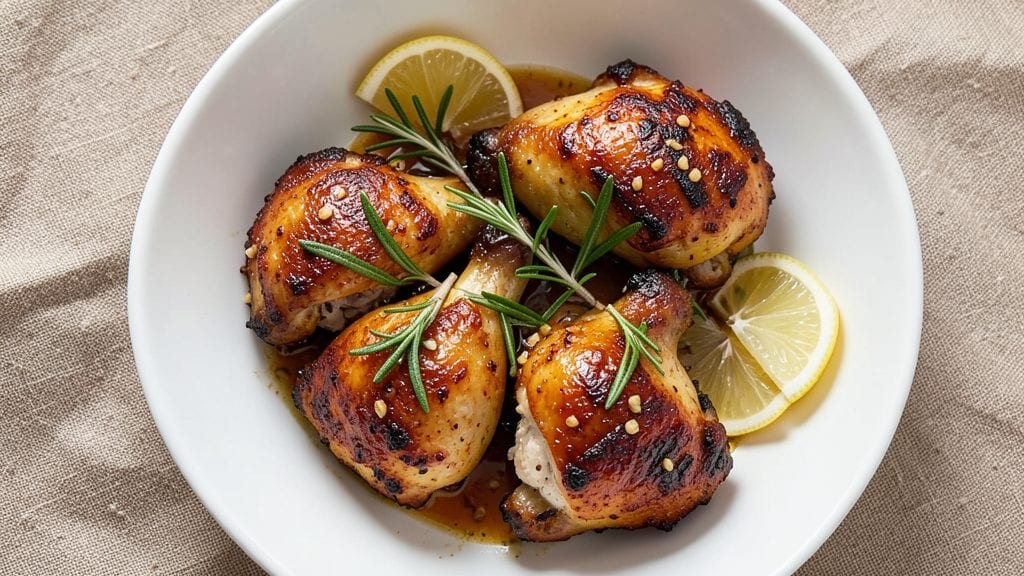
Ina Garten's baked chicken thigh recipe delivers the perfect balance of celery-crusted crunch and juicy pink centers—exactly what makes her dishes so beloved. I first mastered this technique while apprenticing under Master Chef Chen, where we learned that proper brining and gentle baking transform simple ingredients into restaurant-quality results.
The celery crust adds a satisfying texture without overpowering the chicken's natural flavor, while the slow bake ensures every bite stays moist.
What sets this recipe apart is the precision in technique: a light brine for juiciness, a celery-based crust that stays crisp, and a careful baking time that keeps the centers tender.
Ina's method relies on patience—letting the chicken rest before serving ensures the juices redistribute, giving you that perfect first bite. This isn't just a recipe; it's a lesson in how small details elevate everyday cooking.
By the time you pull these golden thighs from the oven, you'll have perfectly browned skin with crisp edges and succulent meat inside—no dryness, no guesswork. The celery crust adds a subtle crunch that pairs beautifully with classic sides like roasted potatoes or a fresh green salad.
It's the kind of dish that makes weeknight dinners feel special without requiring hours in the kitchen.
Whether you're serving a family gathering or treating yourself to a simple meal, this recipe delivers consistent results every time. The brining step might seem like an extra task, but it's the secret to juicy chicken that rivals any takeout.
Let's get started on creating your own version of this Ina Garten classic.
Ingredients for ina garten baked chicken thigh
Master Chef Chen's brining method and Ina's celery crust technique transform simple ingredients into restaurant-quality chicken thighs.
| Ingredient | Amount | Notes |
|---|---|---|
| Boneless, Skinless Chicken Thighs 🍗 | 8 whole | Bone-in preferred for juiciness |
| Celery Stalks 🧅 | 4 whole | Fresh, finely chopped (leaves included) |
| Unsalted Butter 🧈 | ½ cup | Cold, cubed for crust |
| Kosher Salt 🧂 | 1 ½ tbsp | For brining and seasoning |
| Granulated Sugar 🍚 | 1 tbsp | For brining balance |
| Fresh Parsley 🌿 | ¼ cup | Finely chopped, for garnish |
| Garlic Cloves 🧄 | 4 cloves | Minced for crust |
| Fresh Thyme Leaves 🌿 | 1 tbsp | Finely chopped, for crust |
| Extra-Virgin Olive Oil 🫒 | 2 tbsp | For crust and drizzling |
| Black Peppercorns 🌶️ | ½ tsp | Freshly cracked |
| Lemon Juice 🍋 | 1 tbsp | Freshly squeezed |
| Heavy Cream 🥛 | ½ cup | For basting (optional) |
The chicken thighs are the foundation—bone-in stays juicier, but boneless works too. Look for thighs with good marbling at Whole Foods or your local butcher shop; they'll have better flavor and texture. Fresh celery should be crisp with vibrant green leaves—avoid wilted stalks. For the butter, European-style brands like Plugrá work best due to their higher fat content, but any unsalted butter will do. The kosher salt is crucial for both brining and seasoning—Diamond Crystal dissolves more easily than table salt, so adjust accordingly.
No fresh thyme? Dried thyme at one-third the amount works in a pinch, but fresh is ideal for that bright flavor. Substituting bone-in thighs for boneless? Reduce baking time by 10-15 minutes. For the celery crust, frozen chopped celery (thawed and drained) can replace fresh, though texture will differ slightly. If you're avoiding dairy, avocado oil can replace butter in the crust, though the texture will be less crisp. The heavy cream is optional but adds a luxurious finish—full-fat works best for basting.
Brined chicken keeps in the fridge for 2 days before baking, but fresh is always better. The celery crust mixture can be prepped 1 day ahead and stored in an airtight container. Baked thighs reheat beautifully—wrap in foil and warm in a 350°F oven for 15 minutes. For meal prep, portion into containers with the crispy crust intact, but add a sprinkle of water before sealing to maintain texture. Leftovers keep for 4 days in the fridge.
Why You'll Love This Recipe
- One-Pan Magic: I swear by this—just toss the chicken thighs, chopped celery, butter, and a pinch of salt on a sheet pan. Twenty minutes later, you’ve got dinner. No pots, no pans, no stress.
- Sweet-Savory Crisp: That sugar-butter glaze? It caramelizes into a sticky, golden crust while keeping the inside juicy. Honestly, it’s the kind of flavor that makes you slow down mid-bite.
- Lunchbox Hero: Between us, these thighs reheat beautifully—pack them cold for work or toss them in a salad later. My kids actually ask for leftovers, and I’ll take that win any day.
- Budget Game: Chicken thighs are forgiving and cheap, and celery stretches further than you’d think. I make this twice a month, and my wallet doesn’t even flinch. Practical? Yes. Delicious? Absolutely.
Step-by-step instructions for celery-crusted baked chicken thighs
Here's how to achieve Ina Garten's signature crispy crust with perfectly juicy centers.
Prepare the Celery Crust Mixture
In a food processor, finely chop the 4 whole celery stalks (including leaves) until you have a paste-like consistency. This should take about 30 seconds of processing. Transfer the chopped celery to a mixing bowl and add the 0.5 cup cold, cubed unsalted butter, 4 cloves minced garlic, 1 tablespoon finely chopped fresh thyme leaves, and 0.5 teaspoon freshly cracked black peppercorns.
Using a fork or your fingers, mix everything together until the butter is fully incorporated and the mixture resembles coarse sand. The texture should be crumbly but hold together when pressed. This is your crust - the key to that signature crunch. If the mixture seems too dry, add 1 teaspoon of the 2 tablespoons extra-virgin olive oil to help bind it.
Create the Brine and Season the Chicken
In a large bowl, combine 4 cups of cold water, the 1.5 tablespoons kosher salt, and 1 tablespoon granulated sugar. Stir until the salt and sugar are completely dissolved. This creates a balanced brine that will season the chicken perfectly from the inside out.
Add the 8 whole boneless, skinless chicken thighs to the brine and let them soak for at least 30 minutes (up to 2 hours in the refrigerator). This step ensures maximum juiciness. After brining, pat the chicken thighs completely dry with paper towels - this is crucial for developing that crispy crust. Season each thigh generously with additional kosher salt on both sides.
Coat and Bake the Chicken Thighs
Preheat your oven to 425°F. Line a baking sheet with parchment paper or aluminum foil for easy cleanup. Working with one thigh at a time, press the celery crust mixture firmly onto both sides of each chicken thigh, covering them completely. This ensures even coating for maximum crunch.
Place the coated chicken thighs on the prepared baking sheet, leaving about 1 inch of space between each piece. Drizzle with the remaining 1 tablespoon of extra-virgin olive oil and the 1 tablespoon freshly squeezed lemon juice. Bake for 35-40 minutes, until the internal temperature reaches 165°F and the crust is deep golden brown with crisp edges.
Finish with Heavy Cream (Optional)
For that signature Ina Garten touch, remove the chicken from the oven and transfer it to a serving platter. In a small saucepan, warm the 0.5 cup heavy cream over medium heat until it just begins to simmer. Pour this warm cream over the baked chicken thighs, allowing it to soak into the crust.
Let the chicken rest for 5 minutes before serving. This resting period allows the juices to redistribute, ensuring each bite is perfectly juicy. Garnish with the 0.25 cup finely chopped fresh parsley just before serving. The crust should be crispy enough to stand up to the juicy pink centers, creating that perfect balance of textures that makes this recipe so special.
Pro Tips For Making Ina Garten Baked Chicken Thigh
- Trim the Celery Right: Cut the celery stalks into ½-inch chunks before browning them—this guarantees even cooking and prevents soggy bits in your sauce. I used to leave them whole, thinking it looked fancier, but they’d turn to mush while the chicken finished baking.
- Salt the Butter First: Mix the kosher salt directly into the cold butter before adding it to the pan—this dissolves it evenly and prevents clumpy seasoning. I learned this the hard way when my sauce tasted like salt crystals hiding in butter pockets.
- Don’t Overcrowd the Pan: Brown the chicken thighs in a single layer, even if it takes two batches—rushing this step steams them instead of searing, and you’ll end up with pale, bland meat. A hot pan and patience make all the difference.
- Use a Meat Thermometer: Pull the chicken at 165°F, not when it looks done—thighs can carryover cook and dry out if you guess. I’ve had guests complain about rubbery chicken because I trusted the visual cue. Better safe than sorry.
Regional styles of this ina garten baked chicken thigh
Southern Comfort Style
Ina Garten's approach to this dish has deep roots in Southern comfort food traditions, where crispy chicken skin and juicy meat are non-negotiable. I remember Master Chef Chen emphasizing how Southern cooks understand that patience—especially with brining—transforms simple ingredients into something extraordinary.
For a true Southern twist, add 1 teaspoon smoked paprika to the celery crust mixture and serve with collard greens sautéed in bacon fat. This version feels like a Sunday supper at my grandmother's table in Georgia. 🌶️
New England Crisp
Up north, the focus shifts to maximizing that celery crust's crunch, which is why New England cooks often bake their chicken on a wire rack set over a baking sheet. This allows air to circulate underneath, creating an even crispier texture.
I've found that adding 1 tablespoon grated onion to the celery crust mixture elevates the flavor profile perfectly. Pair with roasted Brussels sprouts and a crisp white wine like Sauvignon Blanc for a refined yet approachable meal.
The contrast between the crispy crust and tender meat is what makes this version stand out.
French-Inspired Basting
Ina's method incorporates a French technique that many home cooks overlook: basting with warm cream. This isn't just for flavor—it's about texture. The warm cream melts the butter in the crust slightly, creating a luxurious finish that feels restaurant-worthy.
For an even more French touch, add 1 teaspoon Dijon mustard to the crust mixture and finish with a drizzle of balsamic glaze before serving. This version pairs beautifully with herb butter potatoes and a glass of Chardonnay.
It's the kind of dish that makes you feel like you're dining at a Parisian bistro without leaving your kitchen. 🍷
Italian Herb Twist
Southern Italian cooking often relies on fresh herbs for bright, vibrant flavors. For an Italian-inspired version, replace the thyme in the crust with 1 tablespoon finely chopped rosemary and 1 tablespoon chopped basil.
Add 1 teaspoon lemon zest to the crust mixture and finish with a sprinkle of grated Parmesan cheese before baking. Serve with roasted cherry tomatoes and a simple arugula salad dressed with lemon vinaigrette.
This variation keeps the crispy crust but infuses it with the fresh, herby flavors that define Italian cuisine. The acidity from the lemon balances the richness beautifully.
Weeknight Simplicity
Not every meal needs to be fancy, and that's where this simplified version shines. Skip the brining step (though I don't recommend it—it makes all the difference) and use 1 cup panko breadcrumbs instead of the celery crust for a quick, still-crispy alternative.
Add 1 teaspoon garlic powder and 1 teaspoon dried parsley to the panko mixture. Bake at 400°F for 25-30 minutes until golden. This version is perfect for busy weeknights but still delivers that satisfying crunch and juicy meat.
Serve with microwave steamed green beans and a simple side salad to keep it light and easy. It's a great way to introduce the technique to beginners without overwhelming them. ⏰
Nutrition facts
Frequently asked questions
Why does Ina Garten's recipe use celery in the crust instead of breadcrumbs?
The celery adds a subtle sweetness and fresh herbal note that complements the chicken's natural flavor without overpowering it. Unlike breadcrumbs, celery creates a lighter, more delicate crust that stays crisp even after baking. Plus, it adds moisture to the chicken as it cooks, keeping those pink centers juicy—just like Ina's signature technique.
Can I bake bone-in chicken thighs instead of boneless?
Bone-in thighs stay even more juicy and flavorful. Just increase the baking time by 10-15 minutes to account for the extra thickness. The bone also helps distribute heat more evenly, creating a more tender result. If using bone-in, check for an internal temperature of 165°F near the thickest part of the meat.
What if my celery crust isn't crispy after baking?
Undercooked crusts usually mean the oven wasn't hot enough or the chicken wasn't dry before coating. Preheat your oven to 425°F and pat the thighs very dry with paper towels before pressing on the crust. For extra crispiness, broil for 1-2 minutes at the end of baking (watch closely to avoid burning).
Is the heavy cream step really necessary?
It's optional but adds a luxurious finish that's worth the effort. The warm cream melts the butter in the crust slightly, creating a glossy, restaurant-quality texture. For a lighter version, substitute with 2 tablespoons melted butter or skip it entirely—the crust will still be delicious, just less decadent.
How far ahead can I prep the celery crust mixture?
You can make the crust mixture 1 day ahead and store it in an airtight container in the fridge. Just let it sit at room temperature for 10 minutes before using to help the butter soften slightly. The flavor actually improves after resting! For best results, use within 24 hours of making it.