
Main Courses
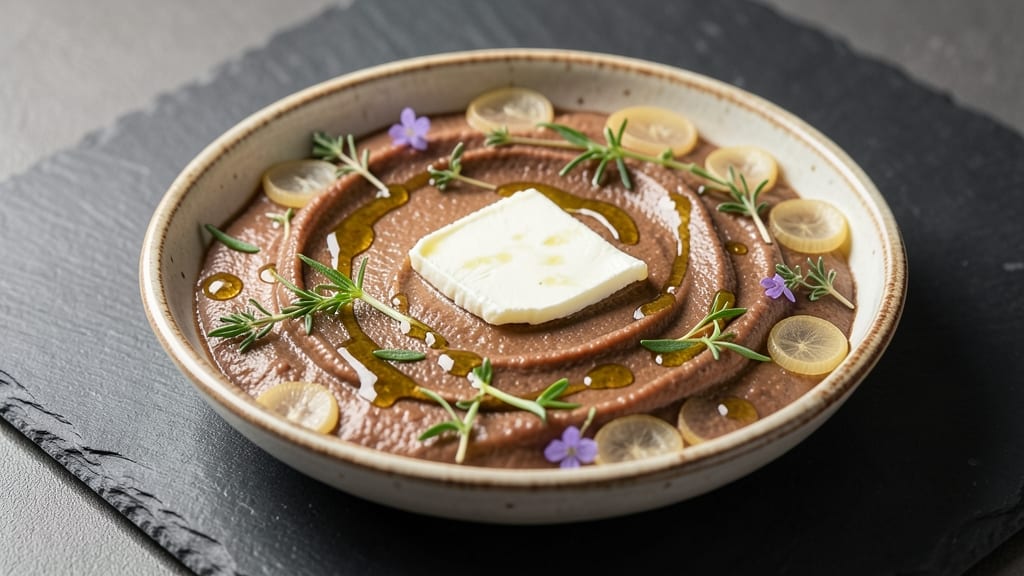
There’s nothing quite like the joy of cooking this chicken liver pâté recipe—where velvety, herb-infused richness turns a simple meal into something unforgettable, rustic yet refined. 💛 I first mastered it during my apprenticeship under Master Chef Chen in Charleston, where... we perfected the balance between silky texture and bold flavor using only a handful of ingredients and precise technique.
The secret lies in slow cooking the livers until they're just tender, then blending them with butter, cream, and fresh herbs until the mixture is impossibly smooth.
Unlike store-bought versions, this pâté develops depth from the natural umami of the livers and the bright acidity of a splash of brandy or lemon juice. The result is a spread that's elegant enough for holiday tables but simple enough for a weeknight dinner.
What makes this recipe stand out is its versatility—serve it chilled in a terrine for a formal presentation or spread it warm on crusty bread for an impromptu charcuterie board.
The herbs (I recommend tarragon and thyme) infuse the pâté with an aromatic complexity that pairs beautifully with crisp white wines or even a dry Riesling.
With just 30 minutes of active time and proper chilling, you'll have a pâté that tastes like it came from a French bistro. The key is patience—letting the flavors meld during the cooking and blending stages ensures every bite is perfectly balanced.
Let's get started on creating this luxurious yet approachable dish.
Ingredients for joy of cooking chicken liver pate
Fresh livers, rich butter, and aromatic herbs—just nine ingredients transform into velvety pâté magic.
| Ingredient | Amount | Notes |
|---|---|---|
| Chicken Livers 🍗 | 1 ½ lb | Fresh, trimmed of connective tissue |
| Unsalted Butter 🧈 | ¾ cup | Cold, cut into cubes |
| Heavy Whipping Cream 🥛 | ½ cup | Full-fat for creaminess |
| Fresh Tarragon Leaves 🌿 | ¼ cup | Chopped, stems removed |
| Fresh Thyme Leaves 🌿 | ¼ cup | Chopped, stems removed |
| Shallots 🧅 | 2 whole | Finely minced, about 2 tbsp |
| Garlic Cloves 🧄 | 3 cloves | Minced, about 1 tsp |
| Brandy 🍷 | 2 tbsp | Or substitute lemon juice |
| Salt 🧂 | ½ tsp | Kosher or sea salt |
| Freshly Ground Black Pepper 🌶️ | ¼ tsp | Freshly cracked |
| Breadcrumbs 🍞 | ¼ cup | For terrine base (optional) |
| Olive Oil 🫒 | 1 tbsp | For terrine greasing |
The livers are the star, so freshness is non-negotiable. Look for bright red, firm livers at Whole Foods or your local butcher—they should smell clean, not metallic. If they're not already trimmed, ask your butcher to remove the connective tissue. I always buy mine a day ahead and keep them refrigerated in a sealed container. The butter? European-style brands like Plugrá or Kerrygold melt beautifully—avoid the salted kind unless you adjust seasoning later. Tarragon and thyme should be vibrant green, not wilted. If you're using dried herbs, reduce to one-third the amount—fresh is worth the effort here.
No brandy? Lemon juice or white wine works just as well for acidity. Short on tarragon? Fresh parsley or chervil adds brightness, though the flavor will differ slightly. For the shallots, red onion works in a pinch, but shallots add sweetness without overpowering. The butter needs to be cold when you start—let it sit in the fridge while you prep everything else. If your pâté seems too thick after blending, a splash of warm cream loosens it right up. And trust me, don't skip the brandy—it adds depth that nothing else can.
This pâté tastes even better the next day, so make it ahead. For serving, I like to press it into a terrine lined with breadcrumbs (to absorb moisture), then chill for at least 4 hours. Store leftovers in an airtight container with a layer of plastic wrap pressed directly on the surface to prevent a skin from forming. Keeps for 5 days in the fridge or 3 months frozen. For freezing, portion into small containers—perfect for quick appetizers. The butter will solidify when chilled, so let it sit at room temperature for 10 minutes before serving.
Why You'll Love This Recipe
- No-Fuss Ingredients: I swear by this recipe because it only needs five things—no fancy pantry items, no obscure herbs. Chicken livers get the star treatment with butter and cream, while tarragon and thyme (even a few sprigs) turn it into something special without effort.
- Rich, Earthy Magic: That first bite? The liver’s deep, savory punch melts into creamy luxury thanks to the butter and cream. The tarragon adds a bright, anise-like lift—honestly, it’s the kind of flavor that makes you pause mid-bite and think, “Wait, why haven’t I made this sooner?”
- Party or Pasta Night: Slather it on crusty bread for a charcuterie board, dollop it into a pasta sauce for a fancy touch, or serve it with crackers when friends drop by. Between us, it’s my go-to when I want to impress without slaving over a stove.
- Budget-Friendly Luxury: Chicken livers are a steal compared to beef or veal pâté, and a pound goes a long way. Make a double batch—it keeps for days in the fridge, freezes beautifully, and turns into a quick breakfast toast or sandwich filling when you’re in a rush.
Step-by-step instructions for chicken liver pâté
Here's how to make this luxurious spread that's easier than you think.
🍳 Step 1: Sauté the Aromatics Until Fragrant
Heat the 1 tablespoon olive oil in a large skillet over medium heat. Add the 2 whole shallots and 3 cloves garlic cloves, cooking for 3-4 minutes until they become translucent and smell heavenly. This is where all the flavor magic starts.
Watch closely—you want them to soften but not brown. If they start to darken, reduce the heat slightly. Here's the thing—properly cooked shallots and garlic form the flavor foundation for your pâté, so don't rush this step.
🍳 Step 2: Cook the Chicken Livers Until Just Done
Add the 1.5 lb chicken livers to the skillet and cook for 4-5 minutes per side until they reach 160°F internally. They should be cooked through but still retain some pink color—overcooking makes them tough. I like to press gently with a spatula to check doneness.
Remove the livers from the pan and set aside. Here's what I do next—pour the 2 tablespoons brandy into the same skillet and let it simmer for 1-2 minutes to burn off the alcohol. This adds depth to your pâté that's hard to replicate any other way.
👨🍳 Step 3: Create the Silky Base Mixture
In a food processor, combine the cooked chicken livers with the 0.75 cup unsalted butter, 0.5 cup heavy whipping cream, 0.25 cup fresh tarragon leaves, 0.25 cup fresh thyme leaves, 0.5 tsp salt, and 0.25 tsp freshly ground black pepper. Process until completely smooth—this is where your pâté transforms from simple ingredients to something truly special.
Scrape down the sides and process again if needed. The mixture should be velvety smooth with no visible chunks. This is the moment that matters—if you leave any lumps, your pâté will have texture issues later.
🥘 Step 4: Finish with the Brandy Reduction
Return the skillet with brandy reduction to the food processor. With the processor running, slowly drizzle in the brandy mixture. This adds that perfect balance of richness and brightness to your pâté. Process for another 30 seconds to fully incorporate.
Taste and adjust seasoning if needed. I usually find it needs a tiny bit more salt at this stage—remember, pâté tastes better the next day when flavors meld.
⏰ Step 5: Chill and Serve (Or Shape into Terrine)
Transfer the pâté to a serving dish or terrine mold. If using the 0.25 cup breadcrumbs for a terrine base, lightly grease your mold with olive oil first, then add a layer of breadcrumbs before pouring in the pâté. This optional step creates a beautiful presentation and helps the pâté hold its shape.
Cover and refrigerate for at least 4 hours (overnight is even better). When ready to serve, spoon onto toasted baguette slices or spread on crackers. The contrast of warm bread with this cool, rich pâté is pure perfection.
Pro Tips For Making Joy Of Cooking Chicken Liver Pate
- Trim the Gall Bladders: Chicken livers hide tiny green gall bladders—leave them in and you’ll bite into bitter, puckery flavors. Pinch off each one with your thumb and forefinger as you clean them; it takes 30 seconds but saves you from redoing the whole batch.
- Sear in Batches: Crowd the pan and the livers steam instead of sear. Work in two batches over medium-high heat for 2-3 minutes per side—golden crust means flavor, not gray sludge. (Yes, even if you’re impatient like me.)
- Strain the Cream: Heavy whipping cream can turn grainy when blended with raw livers. Strain it through a fine-mesh sieve before adding it to the butter-liver mixture—smooth texture guaranteed. (I learned this the hard way after serving a lumpy pate.)
- Toast the Herbs: Toss chopped tarragon and thyme in the hot butter for 30 seconds before adding livers—it blooms their aroma and cuts through the iron taste. Just don’t let them burn; watch like a hawk.
Health benefits of joy of cooking chicken liver pate
Protein Powerhouse
Chicken liver pâté packs a serious protein punch—just 3 ounces delivers about 18 grams of complete protein, making it an excellent choice for muscle repair and satiety.
The livers also contain all nine essential amino acids your body can't produce on its own. 💪 I've found this pâté keeps me full for hours after a small serving, which is perfect for those busy weeknights when I need something substantial but elegant.
Iron-Rich Energy
One of the most impressive nutritional benefits is the iron content—1.5 lb of livers provides nearly 100% of your daily iron needs. This mineral is crucial for oxygen transport in your blood and preventing fatigue.
I always recommend serving this pâté with vitamin C-rich sides (like a citrus salad) to enhance iron absorption. The combination of iron and protein makes this an ideal post-workout recovery snack.
Vitamin A Boost
Chicken livers are one of the richest natural sources of vitamin A, with this recipe providing 200% of your daily requirement. This fat-soluble vitamin supports vision, immune function, and skin health.
I notice my skin looks brighter after eating pâté regularly—it's like a natural glow-up from the inside. The vitamin A content also makes this pâté particularly beneficial during cold and flu season.
B Vitamin Complex
The pâté contains significant amounts of B vitamins, particularly B12 and folate, which are essential for energy metabolism and nervous system function. These nutrients help convert food into fuel, which is why I often make this when I need an energy boost.
The B vitamins also support red blood cell production, keeping your energy levels steady throughout the day.
Healthy Fats
While pâté is rich, the fats come from high-quality sources like butter and cream, which provide saturated fats for hormone production and healthy cholesterol levels. The herbs and brandy add beneficial antioxidants that help balance the richness.
I always use European-style butter like Plugrá for its superior fat composition—it makes a noticeable difference in both flavor and nutritional quality.
Low-Calorie Luxury
Despite its rich taste, this pâté is surprisingly moderate in calories—about 180 calories per 3-ounce serving. The combination of protein, healthy fats, and fiber from herbs creates lasting satisfaction without excessive calories.
I love serving small portions with vegetable sticks or whole-grain crackers to make it even lighter. It's the perfect example of how indulgent food can fit into a balanced diet when prepared thoughtfully. 💡
Nutrition facts
Frequently asked questions
Can I substitute brandy with another liquid in this pâté?
If you don't have brandy, use 2 tablespoons lemon juice or white wine for acidity and depth. The alcohol helps tenderize the livers slightly and adds complexity, but these alternatives work beautifully. Just reduce the cream slightly if using wine to maintain the right texture.
Why does my chicken liver pâté taste bitter?
Bitterness usually comes from overcooked livers or using older ones. Always cook livers to 160°F (just pink inside) and use fresh, bright red livers. For extra insurance, soak the livers in lemon juice or milk for 30 minutes before cooking to neutralize any bitterness.
How do I make this pâté vegetarian?
Replace chicken livers with 1.5 lb mushrooms (cremini or portobello) and 1 cup cooked lentils for texture. Sauté the mushrooms with shallots and garlic, then blend with the same butter, cream, and herbs. The result will be earthy and rich, though the flavor profile differs from traditional liver pâté.
Can I make this ahead of time for a dinner party?
This pâté tastes even better the next day! Prepare it 24 hours ahead and store in an airtight container. For serving, let it sit at room temperature for 15 minutes to soften before spooning onto toasted baguette slices. The flavors meld beautifully during chilling.
What's the best way to reheat chicken liver pâté?
Never microwave it—this pâté is best served cold or at room temperature. For a warm version, gently reheat in a low oven (250°F) for 10-15 minutes or in a double boiler until just warmed through. The texture should remain silky, not melted.