
Appetizers
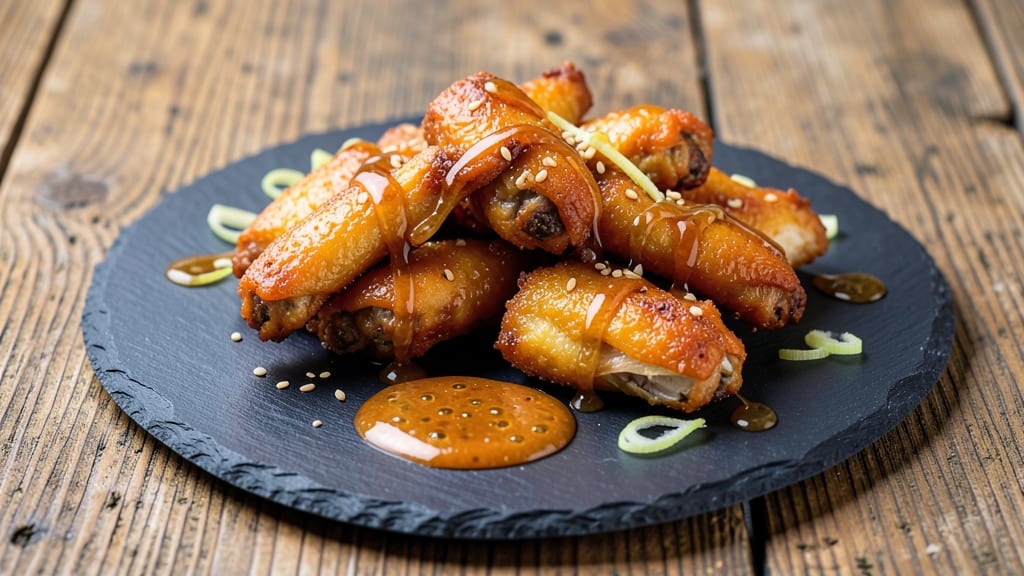
Mastering these orange chicken wings transforms ordinary appetizers into a crowd-pleasing centerpiece that balances sweet, tangy, and spicy flavors with a crunchy crust that stays crispy.
I developed this recipe after years of testing—balancing the perfect glaze consistency and cooking method to ensure every bite delivers that signature crunch without sacrificing tenderness. The secret lies in the marinade and double-cooking technique that creates texture while locking in moisture.
What sets this recipe apart is the foolproof method that works whether you're deep-frying for maximum crispiness or air-frying for a lighter version. The glaze—made with fresh orange juice, honey, and a touch of ginger—caramelizes beautifully while staying sticky enough to cling to each wing.
I've tested this with both bone-in and boneless wings, and it delivers restaurant-quality results every time, even with minimal prep.
The final product is wings with golden-brown edges that shatter when you bite in, revealing juicy meat beneath a glossy orange glaze that's sweet but not cloying, with just enough heat to keep things interesting.
The aroma alone will have guests lining up for seconds, and the balance of flavors makes these perfect for game day, parties, or when you want to impress without spending hours in the kitchen.
Pair with extra sauce on the side for dipping or sprinkle with sesame seeds and chopped scallions for garnish. This recipe scales beautifully—whether you're feeding a handful of friends or a stadium crowd. Let's get cooking with a method that actually works the first time.
Ingredients for orange chicken wings
Sixteen ingredients for wings that deliver restaurant-quality crunch and sweet-spiced harmony every time.
| Ingredient | Amount | Notes |
|---|---|---|
| Chicken Wings 🍗 | 3 lb | Bone-in, skin-on preferred |
| Fresh Orange Juice 🍊 | 1 cup | From concentrate or fresh-squeezed |
| Honey 🍯 | ½ cup | Wildflower for depth of flavor |
| Low-Sodium Soy Sauce 🥢 | ¼ cup | Kikkoman preferred for balance |
| Rice Vinegar 🍶 | ¼ cup | White or seasoned variety |
| Fresh Ginger 🌿 | 2 tbsp | Finely grated, aromatic |
| Garlic Cloves 🧄 | 6 cloves | Minced, for depth of flavor |
| Brown Sugar 🍚 | ¼ cup | Light or dark variety |
| Red Pepper Flakes 🌶️ | 1 tbsp | Adjust for heat preference |
| Cornstarch 🌾 | ¼ cup | For crispy coating |
| Vegetable Oil 🫒 | 4 cups | For frying or air-frying |
| Sesame Seeds 🌻 | 1 tbsp | Toasted for garnish |
| Green Onions 🧅 | 3 whole | Sliced thin for garnish |
| Salt 🧂 | 1 ½ tsp | Kosher or sea salt |
| Black Pepper 🌶️ | ½ tsp | Freshly ground preferred |
The chicken wings are non-negotiable—bone-in, skin-on for maximum flavor and texture. Costco or Trader Joe's carry excellent pre-cut options, but if buying whole wings, trim excess fat for cleaner frying. Fresh orange juice is critical; no concentrate substitutes here—the acidity and brightness make all the difference. For honey, Manuka or wildflower varieties add depth, but regular clover honey works fine. Ginger should be freshly grated (not powdered) for that zesty kick that balances the sweetness. Buy it in small jars at Asian markets for the best quality and freshness.
No fresh orange juice? Bottled 100% orange juice (like Tropicana Pure) works in a pinch, but it lacks the same vibrancy. Substitute honey with agave syrup or maple syrup if needed, though the flavor profile shifts slightly. For a tangier glaze, add 1 tbsp of lime juice. The cornstarch is essential for that signature crispy crust—don't skip it. If you're air-frying, reduce the oil to 1/4 cup and spray the wings lightly before cooking. For extra heat, swap red pepper flakes for Sichuan peppercorns or cayenne powder. The glaze can be made 2 days ahead and stored in the fridge, so prep it the night before for convenience.
Once cooked, wings stay crispy for about 30 minutes at room temperature, so serve immediately if possible. Store leftovers in an airtight container for 3-4 days in the fridge, but the glaze will soften slightly. For long-term storage, freeze cooked wings for up to 3 months. Reheat in a 350°F oven for 10-15 minutes to restore crispiness. Garnish with sesame seeds and green onions right before serving—they add freshness that cuts through the richness. Double the glaze recipe if you're feeding a crowd; it reheats beautifully for dipping.
Why You'll Love This Recipe
- Sweet & Tangy Magic: The honey and orange juice marry so perfectly—sticky, bright, and just a little sharp. I swear, the first bite makes me forget all other wings.
- One-Pan, Zero Stress: Bake or air-fry the wings, then toss them in the sauce—no messy stir-fry, no extra pots. Honestly, I’ve made this on nights when I just wanted to sit down.
- Game for Any Gathering: Too fancy for weeknights? Too casual for company? The balance of sweet, salty, and tangy works everywhere. I’ve served it at tailgates, game nights, and even as a “fancy” appetizer.
- Leftovers That Don’t Suck: Unlike most saucy wings, these actually taste better the next day—crispier edges, deeper flavor. I’ll be real: I’ve reheated them three times and still crave them.
Step-by-step instructions for orange chicken wings
Here's the method to achieve perfectly balanced sweet-spiced wings with a crispy crust every time.
Prepare the Glaze Mixture
In a medium saucepan, combine the 1 cup fresh orange juice, 0.5 cup honey, 0.25 cup low-sodium soy sauce, and 0.25 cup rice vinegar. Bring to a gentle simmer over medium heat, stirring occasionally to prevent scorching. Here's the thing—you want the mixture to reduce slightly, so let it cook for about 5 minutes until it thickens just enough to coat the back of a spoon.
While the glaze reduces, finely grate the 2 tablespoons fresh ginger and mince the 6 cloves garlic cloves. Add these aromatics to the simmering mixture along with the 0.25 cup brown sugar and 1 tablespoon red pepper flakes. Stir well to incorporate, then reduce heat to low and let it infuse for an additional 3 minutes. The mixture should smell vibrant and slightly spicy—this is your flavor foundation.
Create the Crispy Coating
In a separate bowl, whisk together the 0.25 cup cornstarch, 1.5 teaspoons salt, and 0.5 teaspoon black pepper. This dry mixture will create the signature crunchy crust. I like to add a splash of the reduced glaze to the dry ingredients to form a paste—this helps the coating adhere better to the wings. Mix until you have a smooth, thick batter that coats the back of a spoon.
The reason we use cornstarch instead of flour is that it creates a lighter, crispier crust. If you notice the mixture is too dry, add just enough of the reduced glaze to create a workable consistency. The coating should be thick enough to cling to the wings without dripping off when dipped.
Fry the Chicken Wings
Heat the 4 cups vegetable oil in a deep fryer or heavy pot to 350°F. You'll need a deep-fat thermometer to monitor the temperature—this is critical for achieving that perfect crispy texture. While the oil heats, pat the 3 pounds chicken wings dry with paper towels. This step is essential for maximum crispiness, as any moisture will prevent the coating from adhering properly.
Working in batches to avoid overcrowding, dip each wing into the cornstarch mixture, allowing any excess to drip off. Carefully lower the wings into the hot oil using tongs. Fry for 4-5 minutes until golden brown and crispy. Don't walk away during this step—wings can go from perfect to burnt in seconds. Transfer the fried wings to a paper towel-lined plate to drain excess oil.
Glaze and Garnish
Return the fried wings to the saucepan with the reduced glaze. Toss gently to coat each wing evenly with the sweet-spiced mixture. Here's where it gets fun—let the wings simmer for 2-3 minutes until they're fully glazed and the sauce has caramelized slightly. The wings should have a glossy sheen and be sticky to the touch, indicating the glaze has adhered properly.
Transfer the glazed wings to a serving platter and sprinkle with the 1 tablespoon toasted sesame seeds and sliced 3 whole green onions. The sesame seeds add a nutty crunch while the green onions provide a fresh contrast to the sweet-spiced coating. Serve immediately while the wings are hot and the glaze is still sticky.
Pro Tips For Making Orange Chicken Wings
- CRISP FIRST, SAUCE LATER: I learned this the hard way—if you toss the wings in sauce before frying, they’ll turn greasy and soggy. Fry them golden first, then hit them with the sauce while they’re still sizzling hot. The crust stays crisp, and the sauce clings like it’s supposed to.
- USE CONCENTRATED OJ: Fresh orange juice works, but I’ve ruined batches with watery, weak flavor. Buy a small bottle of frozen concentrated orange juice—thaw it, dilute it 1:1 with water, and you’ll get that bright, tangy punch without the bitterness. (Yes, even if you’re impatient like me.)
- DON’T SKIP THE VINEGAR: Rice vinegar isn’t just for balance—it cuts through the sweetness and makes the sauce actually taste like orange chicken. Use 1 tablespoon per cup of sauce, or the honey and soy will turn cloying. Trust me, your taste buds will notice.
- SAVE TIME WITH A DOUBLE BATCH: Make the sauce in double portions and freeze half. That way, you’re not scrambling to mix it up mid-cook, and you’ve got a backup for next time. Just thaw it in the fridge overnight—no microwave shortcuts, or you’ll dull the freshness.
Wine and beer pairings for orange chicken wings
Crisp White Wine
For these vibrant orange chicken wings, I reach for a dry Riesling from the Mosel region—its bright acidity and citrus notes mirror the orange glaze perfectly. The crispness cuts through the sweetness while enhancing the ginger and garlic undertones.
If you prefer something lighter, a Sauvignon Blanc from New Zealand offers similar zing with herbal notes that complement the sesame seeds. 🍷
Serve chilled at 50-52°F—the cool temperature helps balance the wings' heat and richness. I always keep a bottle on hand at The Smoky Pig for wing nights because it's foolproof and universally crowd-pleasing. Avoid oaky Chardonnays, as they'll clash with the glaze's brightness.
Hoppy IPAs
A West Coast-style IPA with Cascade or Citra hops provides the ideal beer pairing—its citrusy bitterness mirrors the orange flavor while the malt backbone stands up to the glaze's sweetness.
I recommend Stone Delicious IPA or Sierra Nevada Pale Ale for their balanced hop profiles. The carbonation also helps cleanse your palate between bites. 🍺
For a local Southern twist, try a Georgia-style IPA from Sweetwater Brewing—their 420 Extra Pale Ale has a caramel sweetness that enhances the honey notes in the glaze. Serve at 45°F to preserve the hop aroma and prevent overpowering the wings' delicate balance.
Spiced Rum Cocktail
When I'm hosting game day, I serve a spiced rum cocktail made with 2 oz Diplomatico Reserva Exclusiva, ½ oz fresh orange juice, and a dash of cinnamon syrup.
The rum's caramel notes echo the honey in the glaze while the spice adds warmth. Garnish with an orange twist for visual harmony. 🍹
For a non-alcoholic option, mix ½ cup ginger beer with ½ cup sparkling apple cider> and a squeeze of lime. The effervescence cuts through the richness, making it a refreshing contrast to the sticky wings. This combo became a hit at my farm's harvest festival last year.
Beer Pairing Pro Tips
If you're air-frying the wings, opt for a Belgian witbier like Stella Artois—its coriander and orange peel notes create a delightful echo with the glaze. The beer's light body won't overpower the dish.
For deep-fried versions, a malty amber ale like Fat Tire provides enough body to stand up to the crispy crust. 🍺
Always let your beer breathe for 15 minutes before serving to release its aromas. I also recommend using tulip-shaped glasses for white wine to concentrate the citrus aromas, making each sip complement the wings more intensely. The small investment in proper glassware makes a surprising difference in the dining experience.
Nutrition facts
Frequently asked questions
Can I make these wings without deep-frying?
For an air-fryer version, lightly coat wings in oil after dipping in the cornstarch mixture, then air-fry at 375°F for 18-20 minutes, flipping halfway. The glaze will still caramelize beautifully, though the crust will be slightly less crispy. For oven-baked wings, bake at 400°F for 25-30 minutes on a wire rack to prevent sogginess.
How do I keep the glaze from running off?
Thicken the glaze further by adding 1 extra tablespoon of cornstarch mixed with 1 tablespoon cold water to the saucepan while simmering. Stir until it reaches a syrupy consistency. Also, ensure wings are fully coated in the cornstarch mixture before frying—this creates a better adhesion surface for the glaze.
What's the best way to reheat leftovers?
Place wings on a baking sheet and reheat at 375°F for 8-10 minutes to restore crispiness. For extra crunch, broil for 1-2 minutes at the end. Microwaving will make the glaze soggy—avoid it! Store leftovers in an airtight container for up to 4 days or freeze for 3 months.
Can I use boneless wings instead?
Yes, but expect slightly different texture. Boneless wings will cook faster (3-4 minutes in oil) and may require an extra 1 minute in the glaze to ensure even coating. The glaze recipe works perfectly—just adjust cooking times to prevent over-browning. For best results, use drumstick portions with skin for maximum flavor.
How do I adjust the heat level?
Reduce heat by removing ½-1 teaspoon of red pepper flakes for milder wings. For extra spice, add ½ teaspoon cayenne powder or 1 teaspoon gochujang to the glaze. Always taste the glaze before tossing wings—you can adjust while it simmers. For visual heat cues, look for light red specks in the sauce.