
Main Courses
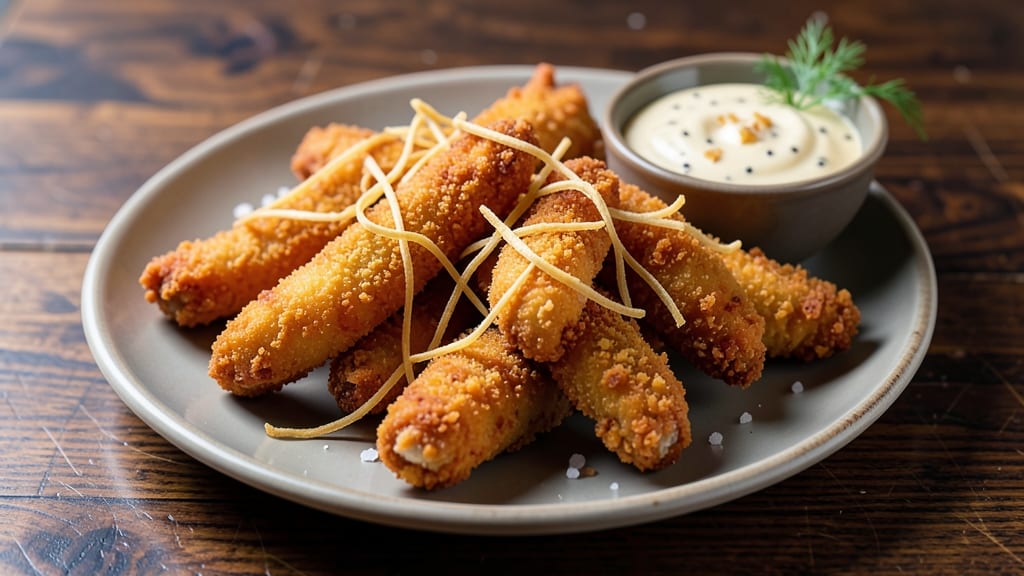
This copycat Raising Cane’s chicken fingers recipe brings that legendary crispy, juicy magic straight to your kitchen—just like the fast-food favorite. After years of perfecting this copycat recipe, I've cracked the code on the exact breading ratio and frying technique that makes all the difference.
The secret lies in a precise blend of seasoned flour and cornstarch that creates that signature crunch while keeping the meat tender inside.
This recipe maintains the restaurant's professional standards with a foolproof method that requires just 30 minutes of active prep time.
We'll use boneless, skinless chicken breasts cut into uniform fingers for even cooking, then coat them in a seasoned breading mix that locks in moisture while creating that signature crispy exterior.
The key step is frying at the right temperature—too hot and you'll burn the breading, too cool and you'll end up with greasy fingers.
What you'll end up with is a plate of golden-brown chicken fingers with that perfect balance of crunch and juiciness, served with a creamy dipping sauce that's just as good as the original.
The breading stays crispy even after dipping, and each bite delivers that satisfying contrast between the crispy exterior and tender chicken inside. This is the kind of recipe that will have your family asking for seconds—and thirds.
Serve with the classic honey mustard or ranch dipping sauce for that authentic Raising Cane's experience. The recipe makes enough for a family of four, with leftovers that reheat beautifully. Let's get started on creating these crispy, juicy chicken fingers at home!
Ingredients for raising cane's chicken fingers copycat
Grab these 12 ingredients for crispy, juicy copycat chicken fingers that taste just like Raising Cane's.
| Ingredient | Amount | Notes |
|---|---|---|
| Boneless, Skinless Chicken Breasts 🍗 | 1 ½ lb | Cut into 1-inch strips |
| All-Purpose Flour 🌾 | 1 cup | For breading base |
| Cornstarch 🌾 | ½ cup | Key for crispiness |
| Paprika 🌶️ | 1 tbsp | Smoked variety preferred |
| Garlic Powder 🧄 | 1 tbsp | Freshly ground if possible |
| Onion Powder 🧅 | 1 tbsp | For depth of flavor |
| Salt 🧂 | 1 ½ tsp | Kosher or sea salt |
| Black Pepper 🌶️ | ½ tsp | Freshly ground |
| Vegetable Oil 🫒 | 3 cups | For frying (peanut oil works best) |
| Butter 🧈 | 2 tbsp | Unsalted, for extra richness |
| Honey Mustard Sauce 🍯 | 1 cup | Store-bought or homemade |
| Ranch Dressing 🥛 | ½ cup | For dipping (optional) |
The chicken is non-negotiable—boneless, skinless breasts cut into 1-inch strips work best. Trader Joe's and Costco sell pre-cut chicken strips, but if you're cutting your own, keep them uniform for even cooking. The cornstarch is the secret weapon—it creates that signature crunch while the flour locks in moisture. Bob's Red Mill cornstarch is my go-to, but any brand works. For the oil, peanut oil is ideal because it stays stable at high heat without burning, but vegetable oil is a solid backup. Just make sure it's enough to fill your pot about halfway—you want 3 cups total for proper frying.
No cornstarch? Extra flour plus a pinch of baking powder (about 1 tsp) mimics the texture. Short on smoked paprika? Regular paprika plus a dash of liquid smoke gets you close. The honey mustard sauce can be store-bought (check the Raising Cane's brand at Walmart or Target), but homemade is easy—just mix 1/3 cup mayo, 2 tbsp honey, 1 tbsp Dijon mustard, and 1 tsp apple cider vinegar. For the ranch, Hidden Valley or Kraft are fine, but a quick mix of mayo, buttermilk, and dried herbs works too. If you're frying and the oil isn't hot enough, the breading will get soggy—test it with a thermometer (350-375°F is perfect).
The breading stays crispy for 2-3 days if stored in an airtight container, but the chicken itself is best eaten fresh. For leftovers, reheat in a 350°F oven for 10-12 minutes until crispy again. The sauce keeps for up to 1 week in the fridge, so make extra. Pro tip: Double the batch and freeze half—just thaw in the fridge overnight before frying. These reheat beautifully, so they're perfect for meal prep. Serve with extra sauce on the side because you will want seconds.
Why You'll Love This Recipe
- No-Fuss Breading: I swear by the flour-cornstarch mix—it’s the secret to that signature crunch without the fuss. Just toss the chicken in a bag with the dry stuff, shake it out, and you’re golden. No measuring cups, no messy bowls.
- Garlic-Paprika Magic: That smoky paprika and garlic powder combo? It’s what makes these taste like a restaurant hit. The crust stays crispy while the inside stays juicy—honestly, it’s the kind of flavor that makes you reach for seconds without thinking.
- Lunchbox Hero: Between us, these are my go-to for packed lunches. The fingers hold up perfectly in a container, and the flavor doesn’t fade. My kid still begs for them after school—proof they’re a winner.
- Budget Crunch-Saver: Chicken breasts are cheap, and this recipe stretches them far. I make a double batch, freeze half, and pull it out for lazy nights. No takeout, no guilt—just crispy, flavorful comfort for less.
Step-by-step instructions for Raising Cane's chicken fingers copycat recipe
Here's the exact method I use to nail that signature crispy crust and juicy interior.
Prep the Chicken and Make the Breading
Cut the 1.5 lb boneless, skinless chicken breasts into 1-inch strips. Pat them completely dry with paper towels—this is non-negotiable for crispiness. The drier the chicken, the better the breading will adhere and crisp up.
In a large bowl, whisk together the 1 cup all-purpose flour, 0.5 cup cornstarch, 1 tbsp paprika, 1 tbsp garlic powder, 1 tbsp onion powder, 1.5 tsp salt, and 0.5 tsp black pepper. The cornstarch is what gives those fingers that signature crunch—don't skip it. Mix well so every piece gets evenly coated.
Double-Bread the Chicken
Dip each chicken strip into the flour mixture, pressing gently to help the coating stick. Then dip again into the flour mixture for a second coat. This double-breading creates that extra-crispy texture you get at Raising Cane's. Place the breaded strips on a plate and let them rest for 10 minutes—this helps the coating adhere better and prevents falling apart when frying.
Here's the thing—don't rush this step. If you try to fry them immediately, the breading will slide right off. The 10-minute rest makes all the difference for that perfect crispy exterior.
Fry to Golden Perfection
Heat the 3 cups vegetable oil in a deep fryer or heavy pot to 350°F. Use a thermometer—this is crucial. If the oil isn't hot enough, you'll get greasy fingers instead of crispy ones. Fry the chicken strips in batches (don't overcrowd the pot) for 3-4 minutes until golden brown and cooked through.
You'll know they're done when the internal temperature reaches 165°F and the breading is a deep golden color. Don't walk away during this step—oil temperatures fluctuate, and you want that perfect doneness. Transfer the fried chicken to a paper towel-lined plate to drain excess oil.
Finish with Butter and Serve
While the chicken is still hot, add the 2 tbsp butter to the fryer and let it melt completely. This adds that rich, buttery flavor that makes these fingers taste just like the restaurant version. Toss the chicken in the melted butter until evenly coated.
Serve immediately with 1 cup honey mustard sauce for dipping. The ranch dressing is optional, but I like to have both on hand—some people prefer the tangy mustard, others love the creamy ranch. Either way, these crispy, juicy chicken fingers will disappear fast!
Pro Tips For Making Raising Cane'S Chicken Fingers Copycat
- Cut Chicken Lengthwise: Slice the breasts horizontally into thin cutlets—about ½-inch thick—before breading. Thicker pieces steam instead of crisp, and you’ll end up with soggy "fingers" instead of the light, airy texture this recipe needs. (Yes, it’s more work, but trust me, it’s worth it.)
- Mix Dry Spices First: Whisk the paprika, garlic powder, and cornstarch together before adding flour. I learned this the hard way—when I tossed them in dry, the paprika clumped and left streaks in the batter. A quick 10-second mix ensures even seasoning and that signature golden hue.
- Double-Fry for Crunch: Fry the chicken once at 350°F for 3–4 minutes until set, then crank the oil to 375°F for a second fry of 1–2 minutes. The first cook ensures the inside cooks through, while the second blast locks in the crisp. Skimp on the second fry, and you’ll regret it when the breading turns greasy.
- Pat Chicken and Flour: After dredging in flour, hit each piece with a second light coat—tap off excess, then dip again. This builds the crust layer by layer without making it gluey. (I used to skip this; now I don’t.) The cornstarch in the mix helps, but the double-dip is what makes the difference.
Regional styles of this recipe
Southern Fried Style
In the Southeast, we take chicken fingers to the next level by adding a touch of Cajun seasoning to the breading mix. Swap out ½ tsp of the paprika for ½ tsp Cajun seasoning (like Tony Chachere’s) and add ¼ tsp cayenne pepper for a subtle kick.
Fry as usual, but serve with a side of spicy honey mustard—mix 1 tbsp hot sauce into the regular honey mustard. This variation is inspired by the crossroads of Southern and Creole flavors, perfect for those who love a little heat with their crispy bites. 🌶️
Texas-Style BBQ Bites
For a Texas-inspired twist, skip the honey mustard and focus on the smoky, savory profile. Add 1 tsp smoked paprika and ½ tsp onion powder to the breading, then toss the fried chicken in 1 tbsp melted BBQ sauce (I like Stubb’s) after frying.
Serve with Texas toast—thick slices of buttered bread toasted until golden—and a side of pickled jalapeños for that true Lone Star State flair. This version turns chicken fingers into a full-on BBQ appetizer. 🔥
Nashville Hot Twist
Channel Nashville’s famous hot chicken vibes by adding 1 tsp cayenne pepper and ½ tsp garlic powder to the breading. After frying, toss the chicken in 1 tbsp melted butter mixed with 1 tbsp hot honey (like Nashville Hot Honey).
Serve with cool ranch dressing on the side to balance the heat. This version is a crowd-pleaser, especially for parties—just be ready for seconds (or thirds!). 💛
Carolina-Style Crispy Bites
Inspired by the Lowcountry, this version leans into seafood-friendly flavors. Add ½ tsp Old Bay seasoning and ½ tsp celery salt to the breading, then fry as usual.
Serve with a creamy remoulade sauce—mix ½ cup mayo, 1 tbsp hot sauce, 1 tsp lemon juice, and 1 tsp Worcestershire sauce. The tangy, slightly spicy sauce cuts through the crispy exterior beautifully, making these fingers taste like a coastal feast. 🌊
Kids’ Meal Version
For a family-friendly take, keep the breading simple but add fun shapes—use a cookie cutter to press the breading into fun forms like stars or dinosaurs before frying. Serve with colorful dipping sauces** in small cups: honey mustard, ketchup, and ranch.
This version is perfect for picky eaters or little ones who love interactive meals. The key is making it fun while keeping the crispy, juicy texture they love. 🦖
Nutrition facts
Frequently asked questions
Why does Raising Cane's chicken fingers stay so crispy?
The secret is the cornstarch-to-flour ratio (1:2) in the breading, plus the double-dipping technique and 10-minute rest before frying. The cornstarch creates that signature crunch while the flour locks in moisture. Frying at 350°F with peanut oil (or vegetable oil) ensures the breading stays crispy even after dipping.
Can I bake these instead of frying for a healthier version?
Preheat oven to 425°F and bake on a wire rack over a baking sheet for 12-15 minutes, flipping halfway. Use an air fryer at 400°F for 8-10 minutes instead. For crispiness, spray with oil before baking. The texture won't be identical, but it's a great lighter alternative.
What's the best way to keep the breading from falling off?
Pat the chicken bone-dry before breading—this helps the coating stick. The double-dipping and 10-minute rest are critical. Also, don't overcrowd the frying pan—this causes steam that weakens the breading. Use tongs to handle the chicken gently.
How do I make the dipping sauce taste just like Raising Cane's?
Their honey mustard uses Dijon mustard for depth. Mix 1/3 cup mayo, 2 tbsp honey, 1 tbsp Dijon, and 1 tsp apple cider vinegar. For ranch, blend 1/2 cup mayo, 2 tbsp buttermilk, 1 tsp dried dill, and 1/2 tsp garlic powder. Chill both sauces for 30 minutes before serving to let flavors meld.
Can I use chicken tenders instead of breasts?
Yes, but cut them into 1-inch pieces for even cooking. Chicken tenders are leaner, so they'll cook faster—watch closely to avoid overcooking. For extra moisture, brine the tenders in 1/4 cup salt + 4 cups water for 30 minutes before breading. This prevents dryness.