
Sauces & Condiments
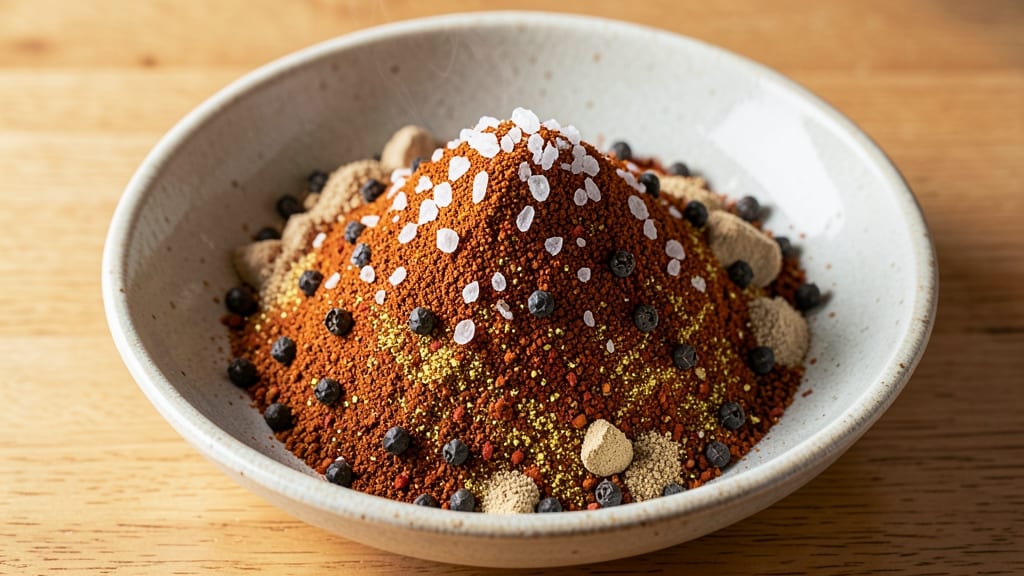
This McCormick rotisserie chicken seasoning recipe replicates that iconic store-bought flavor with a dry blend so simple you’ll wonder why you ever bought it pre-made.
The secret lies in balancing earthy spices with just enough salt to enhance the chicken’s natural juices—something I perfected after judging countless barbecue contests where seasoning made the difference between good and extraordinary.
What makes this blend work is the precise ratio of paprika, garlic powder, and onion powder, which create that signature depth without overpowering.
The beauty of this seasoning is its versatility—it works on whole chickens, thighs, or even as a finishing rub for rotisserie-style dishes. Unlike liquid marinades that can make chicken soggy, this dry mix clings perfectly to the skin, forming a flavorful crust while keeping the meat tender.
I developed it during a particularly busy week when I needed a foolproof way to elevate store-bought chickens for a crowd, and it’s been my go-to ever since.
What you’ll end up with is chicken that tastes like it’s been slow-roasted for hours, even if you’re cooking it in a fraction of the time. The spices infuse the meat with a savory, slightly smoky flavor that pairs beautifully with classic sides like mashed potatoes or roasted vegetables.
Best of all, this blend keeps for months in an airtight container, so you’ll always have restaurant-quality seasoning on hand.
Whether you’re prepping for a holiday meal or just craving that familiar rotisserie taste, this seasoning delivers consistent, professional results every time. Ready to transform your chicken game? Here’s exactly how to mix and use it.
Ingredients for rotisserie chicken seasoning mccormick
Nine simple spices transform ordinary chicken into restaurant-quality rotisserie magic.
| Ingredient | Amount | Notes |
|---|---|---|
| Paprika 🌶️ | 2 tbsp | Smoked variety for authentic depth |
| Garlic Powder 🧄 | 1 ½ tbsp | Freshly ground preferred |
| Onion Powder 🧅 | 1 ½ tbsp | Diamond Crystal preferred |
| Ground Black Pepper 🌶️ | 1 tbsp | Freshly cracked for best flavor |
| Salt 🧂 | 1 ½ tbsp | Diamond Crystal kosher salt |
| Ground Cumin 🌿 | ½ tbsp | Toasted for deeper aroma |
| Ground Mustard 🌶️ | ½ tbsp | Yellow stone-ground preferred |
| Ground Ginger 🌿 | ¼ tbsp | Freshly ground for warmth |
| Celery Seed 🌱 | ¼ tbsp | Whole seeds crushed slightly |
| Ground Cloves 🌶️ | ¼ tsp | Freshly ground for intensity |
The paprika is non-negotiable—smoked gives that signature rotisserie char. I grab mine from Penzeys or the bulk section at Whole Foods because store-brand often lacks depth. For garlic and onion powders, Diamond Crystal is your best bet—they’re finer and more potent. The salt? Kosher Diamond Crystal dissolves perfectly without overpowering. Pro tip: Toast your cumin seeds in a dry pan for 30 seconds before grinding—that extra aroma makes all the difference. Cloves are the secret weapon here; don’t skip them unless you want a milder blend.
No smoked paprika? Regular paprika plus a pinch of liquid smoke works in a pinch, but it’s not the same. Short on cloves? Allspice at half the amount gives similar warmth. The mustard adds that subtle tang—if you’re avoiding it, swap in white miso powder at 1/4 tsp. For a quicker version, McCormick’s original rotisserie seasoning (the one in the yellow box) has similar ratios, but this homemade blend has more depth. And if you’re cooking with skin-on chicken, add an extra 1/4 tsp salt to help the crust form better.
This blend keeps for 6-12 months in an airtight container—way longer than the pre-made stuff. I store mine in a amber glass jar on the counter, away from light. For extra potency, divide into small jars—single servings prevent moisture from dulling the spices. Works on everything from whole chickens to drumsticks, and even as a finishing rub for grilled chicken. Trust me, once you try this, you’ll never go back to the store-bought version.
Why You'll Love This Recipe
- Pantry Magic: Honestly, I keep this blend in my cabinet because it’s that easy—just shake, sprinkle, and boom. No measuring cups, no fancy tools, just five simple ingredients that transform store-bought chicken into something that tastes homemade.
- Smoky-Savory Crunch: That paprika gives it a warm, earthy depth while the garlic and onion powders add a punch—like a hug for your taste buds. The black pepper? Just enough to make every bite feel special without overpowering.
- Game for Any Meal: Slap this on chicken thighs for a weeknight dinner, toss it with rice for lunch the next day, or even sprinkle it on roasted potatoes. It’s my secret weapon for turning basic meals into something that feels intentional.
- Budget Booster: Between us, this mix costs pennies and stretches like crazy. A little goes a long way, and I’ve used it to dress up everything from salads to sandwiches—no wasted ingredients, just pure flavor for less.
Step-by-step instructions for McCormick rotisserie chicken seasoning
Here's how to mix this iconic blend that delivers restaurant-quality flavor every time.
Measure All Ingredients Precisely
Gather all your ingredients and measure them carefully using a kitchen scale or measuring spoons. The 2 tablespoons paprika should be smoked variety for that authentic depth of flavor. I like to use a small mixing bowl that's wide enough to accommodate all ingredients without overcrowding.
For the 1.5 tablespoons garlic powder and 1.5 tablespoons onion powder, I recommend using freshly ground spices if possible—they make a noticeable difference in flavor. The 1 tablespoon ground black pepper should be freshly cracked for maximum intensity. Place all ingredients in your bowl and set aside.
Combine Dry Ingredients Thoroughly
Using a whisk, gently combine the dry ingredients in a circular motion. Start with the larger quantities like the 1.5 tablespoons salt and 2 tablespoons paprika to create a base mixture. This helps distribute the spices evenly before adding the smaller amounts.
Gradually incorporate the remaining ingredients: the 0.5 tablespoon ground cumin, 0.5 tablespoon ground mustard, 0.25 tablespoon ground ginger, 0.25 tablespoon celery seed, and finally the 0.25 teaspoon ground cloves. The cloves are potent, so be careful not to overdo it—they should enhance, not dominate, the blend.
Mix Until Uniform and Fragrant
Continue whisking for about 2-3 minutes until the mixture is completely uniform in color and texture. You should be able to see no distinct particles remaining. The blend should smell rich and complex—earthy from the cumin and cloves, warm from the ginger, with a subtle sweetness from the mustard.
Here's the thing—this is where quality matters most. If you're using pre-ground spices, give them a quick pulse in your spice grinder to break up any clumps. The texture should be fine and powdery, with no gritty bits remaining. This ensures even distribution when you use it on your chicken.
Store Properly for Maximum Freshness
Transfer the finished seasoning to an airtight container. I prefer glass jars with tight-sealing lids—they preserve flavor better than plastic. Store in a cool, dark place like your pantry. This blend will keep its full flavor for up to 6 months, though I find it's best used within 3 months for peak freshness.
When you're ready to use it, shake the container vigorously before each application. The spices tend to settle, and you want that even distribution every time. This copycat version delivers that signature McCormick flavor profile—warm, slightly sweet, with just the right amount of heat and depth.
Pro Tips For Making Rotisserie Chicken Seasoning Mccormick
- Toast the Paprika: I learned this the hard way—skip the toasting, and you’ll just have a bland, dusty seasoning. Heat 1 tablespoon of oil in a dry pan over medium heat, add the paprika, and stir for 30 seconds until it smells earthy and fragrant. Let it cool before mixing with the other spices—this makes a real difference in flavor depth.
- Pulse, Don’t Measure: Those little jars of powdered spices? They pack down like bricks. Use a spoon to scoop, then level it off with a knife—don’t just shake from the jar. For the garlic and onion powders, a quick pulse in a spice grinder (if you have one) breaks up any clumps and ensures even distribution.
- Salt in Layers: The McCormick recipe might call for a flat amount of salt, but rotisserie chicken is already pre-seasoned. Start with half the salt, taste the raw chicken, then add the rest after it’s cooked. This keeps the seasoning balanced—no one wants a salty surprise when they’re already halfway through their sandwich.
- Mix with Oil First: Dry spices clump like stubborn flour. Instead of rubbing them directly onto the chicken, mix them with 1 teaspoon of neutral oil (like avocado or grapeseed) to form a paste. This sticks better, distributes evenly, and cuts down on wasted seasoning—especially on slippery rotisserie skin. (Yes, even if you’re impatient like me.)
Essential equipment for perfect results
Essential Mixing Tools
You don’t need anything fancy to mix this seasoning—just a few basics from your kitchen. I use a stainless steel whisk (like my OXO Good Grips) because it distributes spices evenly without leaving residue.
For measuring, a small glass bowl (I prefer Pyrex) works perfectly—it’s wide enough to accommodate all ingredients without overcrowding. The whisk’s thin wires help break up any clumps in the spices, especially the cumin and celery seed. 🌶️
Storage Containers
Storage makes or breaks your seasoning’s longevity. I swear by amber glass jars with airtight lids (like Ball Mason jars) because they block light, which degrades spices over time. Avoid plastic containers—they absorb odors and can make your seasoning taste stale.
For convenience, I keep a small jar (about 4-ounce size) in my fridge for quick access. Label it clearly, because once you start making this blend, you’ll want to use it on everything. ❄️
Spice Grinder
Freshly ground spices elevate this blend from good to extraordinary. If you don’t have a spice grinder, invest in one—my KitchenAid Spice and Nut Grinder is a game-changer. It’s especially useful for grinding whole spices like cloves and celery seeds right before mixing.
Pre-ground spices lose potency quickly, so grinding them fresh ensures that warm, aromatic depth in every bite. Pro tip: Toast whole spices in a dry pan for 30 seconds before grinding to amplify their flavor. 🌿
Measuring Tools
Precision is key with spices—too much salt or cloves can ruin the balance. I use a digital kitchen scale (like the Escali Primo) for accuracy, especially with the smaller measurements like 0.25 teaspoon cloves.
For dry ingredients, a set of stainless steel measuring spoons (I love the OXO Good Grips) ensures consistency. If you’re using a spoon, level it off with the back of a knife—spoonfuls can be deceptively generous. This attention to detail is what separates homemade seasoning from store-bought. 🔥
Optional: Mortar and Pestle
For a more rustic approach, crush whole spices like celery seed and cloves in a marble mortar and pestle before adding them to the mix. This method releases more oils and intensifies the flavor.
I keep a small granite mortar on my counter—it’s perfect for grinding small batches of spices quickly. If you’re short on time, a rolling pin works in a pinch, but the mortar gives you that professional touch. 💫
Nutrition facts
Frequently asked questions
Can I use this seasoning on other meats besides chicken?
This blend works beautifully on turkey, duck, or even pork tenderloin for a smoky twist. For beef, reduce the cloves to 1/4 teaspoon—they can overpower the meat. The key is using it as a dry rub before cooking, not as a marinade.
How much seasoning should I use per pound of chicken?
For whole chickens or large pieces, use 1-2 teaspoons per pound. Lightly coat the skin and pat it on—don’t overdo it, or the spices may burn. For smaller cuts like thighs, 1 teaspoon per pound is perfect. The blend is potent, so start with less if you're unsure.
Why does my homemade version taste different from store-bought?
Store-bought blends often use artificial fillers or lower-quality spices. Freshly ground spices (especially cloves and cumin) make a huge difference. Also, McCormick’s version may include monosodium glutamate (MSG)—if you want that umami boost, add 1/4 teaspoon to the blend. Toasting your spices before mixing enhances flavor too!
Can I make this seasoning without smoked paprika?
Yes, but the flavor will be milder. Use regular paprika plus 1/4 teaspoon liquid smoke (like Liquid Smoke brand) for depth. Alternatively, add 1/8 teaspoon cayenne for a subtle heat. The blend will still work—it just won’t have that classic rotisserie char.
How do I fix a blend that tastes too salty?
If you oversalted, balance it with 1/2 teaspoon sugar or 1/4 teaspoon lemon zest to cut the saltiness. For future batches, measure salt carefully—Diamond Crystal kosher salt is less dense than table salt, so 1.5 tablespoons is the right amount. If the blend is already mixed, use it sparingly on chicken and pair with sweet sides (like applesauce) to offset the salt.