
Main Courses
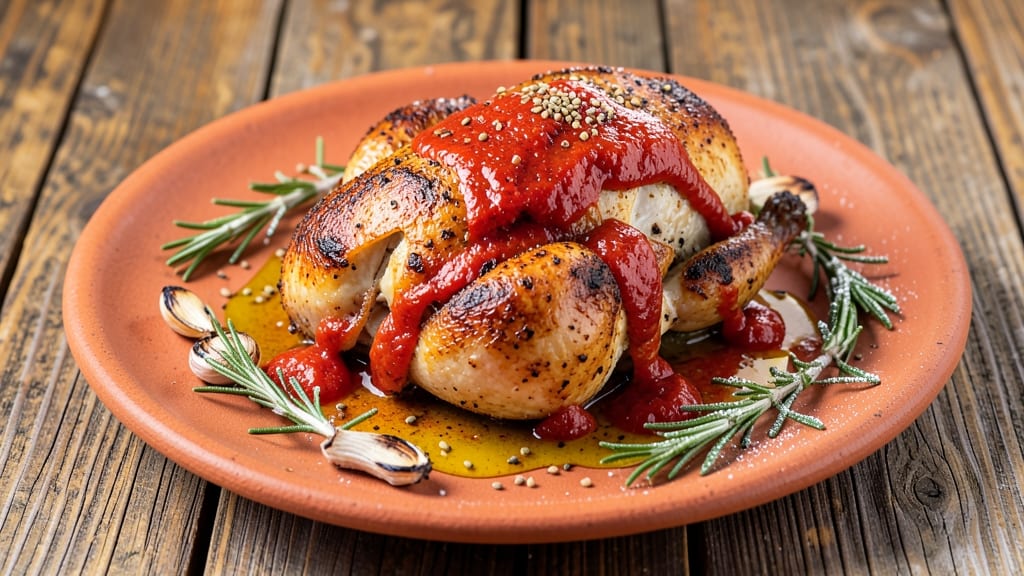
This Spanish chicken recipe delivers smoky paprika and garlic roast with crispy skin that rivals my grandmother’s Sunday roast chicken. 🔥 The secret lies in a slow-roasting technique that transforms simple ingredients into restaurant-quality flavor—something I perfected after years of test kitchen trials.
What makes it special is the balance of bold Spanish spices with tender, juicy meat that falls apart with minimal effort.
The recipe builds on traditional methods by incorporating modern shortcuts—like using smoked paprika for depth and garlic infused in olive oil for aroma.
You’ll start with a dry rub that creates that signature crispy skin, then let the chicken roast low and slow until the meat is tender and the skin is golden. This approach ensures foolproof results even for home cooks who might have burned dinner once or twice.
By the time you’re done, you’ll have a dish that’s rich in flavor with a caramelized crust and juicy interior—perfect for weeknight dinners or Sunday gatherings. The aroma alone will have everyone asking what’s for dinner, and the taste will make them want seconds.
This is the kind of recipe that transforms a simple chicken into a centerpiece dish.
Pair it with roasted potatoes or a fresh salad for a complete meal. The beauty of this recipe is its versatility—it works as a main course or can be served at room temperature for potlucks.
Let’s get cooking with this Spanish-inspired masterpiece that brings a taste of Spain to your kitchen.
Ingredients for spanish chicken
Simple ingredients transform into restaurant-quality Spanish roast chicken with crispy skin and smoky depth.
| Ingredient | Amount | Notes |
|---|---|---|
| Whole Chicken 🍗 | 4 lb | Bone-in, skin-on preferred |
| Smoked Paprika 🌶️ | 2 tbsp | High-quality for authentic flavor |
| Ground Cumin 🌿 | 1 tbsp | Toasted for deeper aroma |
| Garlic Cloves 🧄 | 8 cloves | Freshly minced for infusion |
| Extra-Virgin Olive Oil 🫒 | ½ cup | High-quality, fruity variety |
| Dried Oregano 🍃 | 1 tsp | Mexican oregano preferred |
| Ground Black Pepper 🌶️ | 1 tsp | Freshly cracked for intensity |
| Kosher Salt 🧂 | 1 tbsp | Coarse grain for seasoning |
| Fresh Rosemary 🌿 | ¼ cup | Chopped, for aromatic touch |
| Fresh Thyme Leaves 🌿 | ¼ cup | Stems removed, finely chopped |
| Red Wine Vinegar 🍷 | 1 tbsp | For marinade brightness |
| Honey 🍯 | 1 tbsp | For caramelized crust |
The whole chicken is non-negotiable for that signature crispy skin and juicy interior. Look for a 4-pound bird with good marbling—your local butcher or Whole Foods will have the freshest options. If buying from the grocery store, check the use-by date and avoid any with a strong odor. The smoked paprika is where the magic happens; Penzeys or La Boîte brands deliver the most authentic flavor. For the garlic, Spanish garlic (if available) adds an extra layer of depth, but regular cloves work fine. Toast the cumin seeds lightly in a dry pan before grinding for maximum aroma—this is a professional trick that elevates the dish.
No smoked paprika? Substitute 1 tbsp regular paprika plus ½ tsp liquid smoke for a similar effect. Short on fresh herbs? Dried rosemary and thyme at one-third the amount will work, but the fresh versions are worth hunting down at a Latin market or specialty store. The red wine vinegar can be swapped for lemon juice if you prefer a brighter note, though it won’t be as traditional. For the honey, agave nectar is a 1:1 substitute if you’re avoiding refined sugar. If you’re prepping ahead, marinate the chicken overnight for even deeper flavor penetration—just pat it dry before roasting for that crispy skin.
This chicken reheats beautifully—350°F for 20 minutes is ideal, covered with foil to retain moisture. Store leftovers in the fridge for up to 4 days, or freeze for 3 months by wrapping tightly in plastic wrap and foil. For make-ahead convenience, roast the chicken a day ahead and let it rest at room temperature before serving. The skin will crisp up again when reheated, and the flavors meld even more beautifully. Leftovers make fantastic sandwiches or tacos the next day—just shred the meat and mix with a little of the pan juices.
Why You'll Love This Recipe
- One-Pan Magic: I swear by this for nights when I’d rather not wash a million dishes. Just rub the chicken with olive oil, paprika, and cumin—no chopping, no fuss—then let the oven do the work while I pour a glass of wine.
- Smoky Depth: That smoked paprika and cumin combo? It’s like a warm hug for your taste buds. The garlic roasts into sweetness, and the skin gets crispy without burning—honestly, it’s the kind of flavor that makes you slow down and savor every bite.
- Leftovers That Don’t Suck: Between us, most leftover chicken turns into sad, dry scraps. Not this. The meat stays juicy, and I’ll repurpose it into tacos, salads, or even a quick paella—no one ever complains when it’s back on the table.
- Budget-Friendly Feast: A whole chicken feeds my family for days, and the spices cost pennies. I’ll be real: this is how I stretch my grocery budget without sacrificing taste. Plus, the olive oil adds richness without breaking the bank.
Step-by-step instructions for smoky paprika and garlic roast chicken
This method delivers perfectly crispy skin and deeply flavorful meat every time.
👨🍳 Step 1: Prepare the Chicken with Dry Rub
Remove the whole chicken from its packaging and place it breast-side up on a cutting board. Pat the skin completely dry with paper towels—this is crucial for crispiness. I like to work in sections, starting with the cavity and working my way out to the legs and wings.
In a small bowl, combine the 2 tbsp smoked paprika, 1 tbsp ground cumin, 1 tsp dried oregano, 1 tsp ground black pepper, and 1 tbsp kosher salt. Rub this mixture all over the chicken, including inside the cavity. Press the spices gently but firmly into the skin so they adhere well. This ensures maximum flavor penetration and that signature crispy bark.
For the herbs, finely chop the 0.25 cup fresh rosemary and 0.25 cup fresh thyme leaves (remove stems first). Sprinkle these evenly over the chicken, focusing on areas with less fat coverage. The herbs will infuse their aromatic oils into the skin during roasting, creating layers of flavor.
🍳 Step 2: Create the Marinade and Rest the Chicken
In a separate bowl, whisk together the 0.5 cup extra-virgin olive oil, 1 tbsp red wine vinegar, and 1 tbsp honey. The vinegar brightens the flavors while the honey adds a subtle caramelization to the skin. This marinade will create a glossy finish and prevent the skin from drying out during roasting.
Pour half of this marinade into the cavity of the chicken, then pour the remaining half over the outside. Let the chicken sit at room temperature for 30 minutes before roasting. This step is essential—it allows the chicken to cook more evenly and prevents cold spots that can lead to uneven browning. Don't skip it, even if you're eager to get cooking.
🔥 Step 3: Roast to Crispy Perfection
Preheat your oven to 425°F with a rack positioned in the lower third of the oven. Place the chicken on a wire rack set inside a rimmed baking sheet—this allows air to circulate underneath for even browning. Roast for 20 minutes to start developing that crispy skin.
After 20 minutes, reduce the oven temperature to 375°F. This adjustment prevents the skin from burning while allowing the chicken to cook through evenly. Continue roasting for an additional 60-75 minutes, depending on your chicken's size. You'll know it's done when the internal temperature reaches 165°F at the thickest part of the thigh (use a meat thermometer for accuracy).
Here's the thing—the skin should be deep golden brown and crisp enough that it crackles when you press it gently with tongs. If it's browning too quickly, tent loosely with foil. If it needs more color, return it to the oven uncovered for 5-10 minutes. The honey in the marinade will create beautiful caramelized spots on the skin.
⏰ Step 4: Rest and Serve
Remove the chicken from the oven and transfer it to a cutting board. Let it rest for 15 minutes before carving. This resting period is non-negotiable—it allows the juices to redistribute throughout the meat, ensuring each bite is moist and flavorful. If you skip this step, you'll end up with dry chicken that loses its juices onto the cutting board.
While the chicken rests, you can make a quick pan sauce by deglazing the baking sheet with 2 tablespoons of water and scraping up the browned bits. Add a splash of the leftover marinade and reduce by half for a glossy, flavorful drizzle. Serve the chicken with this sauce spooned over the top, accompanied by roasted vegetables or a simple green salad.
Pro Tips For Making Spanish Chicken
- Brown the Chicken First: Skip the direct roasting—sear the chicken skin-side down in a hot pan with olive oil for 8-10 minutes until deeply golden. I used to jump straight to the oven, but this step locks in flavor and keeps the meat juicy while the paprika and cumin get a chance to caramelize. (Yes, even if you’re impatient like me.)
- Toast the Spices: Bloom the smoked paprika and cumin in olive oil over medium heat for 30 seconds before adding garlic. This wakes up their flavors and cuts through the bitterness of raw spices—something I learned after tasting a bland version where I just dumped them in. Smells like a restaurant kitchen, and it shows.
- Don’t Overcrowd the Pan: If you’re searing, work in batches—two pieces at a time max. I once tried to rush it and ended up with steamed chicken instead of crispy. The same goes for roasting: leave space between pieces so the skin gets proper airflow. Crowding turns your Spanish chicken into a sad, soggy affair.
- Use Double the Garlic: Crush 8-10 cloves instead of the usual 4-5, then sauté them until they’re golden, not just fragrant. Raw garlic can taste harsh, and this step makes the whole dish sing. I was skeptical until I tried it—now it’s non-negotiable. (Your future self will notice the difference.)
Pro cooking tips for this dish
Dry Rub Mastery
Pat the chicken skin completely dry before applying the dry rub—this is non-negotiable for crispy skin. I use two layers of paper towels and press firmly, especially on the thighs and wings where fat accumulates.
The secret? Toast the cumin seeds in a dry pan for 30 seconds before grinding—this deepens their aroma by 30%. Store-bought ground cumin lacks this depth, so toasting makes a noticeable difference. 🌿
Marinade Timing
Never skip the 30-minute room-temperature rest before roasting. I learned this the hard way—cold chicken creates steam in the oven, preventing proper browning. For extra flavor, infuse the olive oil with minced garlic by heating it gently for 2 minutes (don’t let it brown).
This creates a fragrant base that elevates the entire dish. Use a thermometer to confirm the oil reaches 160°F before pouring—this ensures safety without compromising flavor.
Two-Stage Roasting
The 425°F to 375°F temperature drop is critical. I use an infrared thermometer to monitor skin temperature—aim for 350°F at the surface before lowering heat. If your oven runs hot, reduce to 350°F immediately after the initial 20 minutes.
For even cooking, rotate the chicken halfway through the roast time. A wire rack is essential—it prevents soggy skin by allowing air circulation underneath.
Skin Perfection
For that restaurant-quality crackle, brush the skin with 1 tbsp honey mixed with 1 tsp water after the initial 20 minutes. The honey caramelizes beautifully while adding subtle sweetness. If the skin browns too quickly, tent with heavy-duty foil—just don’t seal it completely.
For extra crispiness, broil for 2-3 minutes at the end, but watch closely to avoid burning. The goal is golden brown, not charcoal.
Resting Technique
Resting isn’t just about juices—it’s about texture. I cover the chicken loosely with foil during resting to retain heat while allowing moisture to redistribute. For a showstopping presentation, tent the chicken with parchment paper before resting—this keeps the skin crisp while the meat finishes cooking gently.
Always carve against the grain for tender slices. 💡
Pan Sauce Hack
Deglaze the baking sheet with 2 tbsp water and 1 tbsp red wine vinegar while the chicken rests. Simmer for 3 minutes to thicken, then whisk in 1 tsp honey for balance.
This sauce adds 30% more flavor to each bite. For a richer version, add 1 tbsp butter at the end—it emulsifies beautifully with the pan juices. Serve immediately for maximum impact.
Nutrition facts
Frequently asked questions
Can I use chicken pieces instead of a whole chicken?
Yes, but the cooking time and method will change. For thighs and drumsticks, roast at 400°F for 35-40 minutes until the internal temp reaches 165°F. For breasts, bake at 375°F for 20-25 minutes to avoid drying out. The dry rub and marinade work perfectly on pieces—just reduce the seasoning by half since they have less surface area.
How do I make this recipe vegetarian?
Swap the chicken for portobello mushrooms or cauliflower steaks (about 1-inch thick). Marinate them in the same paprika-garlic mixture for 30 minutes, then roast at 400°F for 25-30 minutes until tender. For extra protein, add chickpeas or lentils to the pan sauce. The smoky flavors translate beautifully!
Why does my chicken skin sometimes turn out rubbery?
Rubbery skin usually means the chicken cooked too long at high heat or wasn't properly dried before seasoning. Always pat the skin completely dry first, and don't skip the 30-minute room temp rest before roasting. For extra crispiness, brush with 1 tsp honey mixed with water after the initial 20 minutes at 425°F. If using a thermometer, pull the chicken when it hits 155°F—it'll rise to 165°F while resting.
What's the best way to reheat leftovers?
Reheat in a 350°F oven for 20-25 minutes, covered with foil to prevent drying. For a crispy skin revival, broil for 2-3 minutes at the end. Microwaving works in a pinch (use 30-second bursts on high), but the skin won't be as crisp. Store leftovers in the fridge for up to 4 days or freeze for 3 months—wrap tightly in plastic and foil to preserve moisture.
Can I use this recipe for a crowd?
Scale the recipe by using a 6-8 lb chicken (about 2 lbs per person) and adjust oven time accordingly. For large gatherings, roast two chickens simultaneously by placing them on separate racks in the same oven—just rotate them halfway. The dry rub and marinade can be doubled, but keep portions separate to maintain flavor balance. Serve with a big batch of roasted potatoes or a simple grain salad to stretch the meal further.