
Main Courses
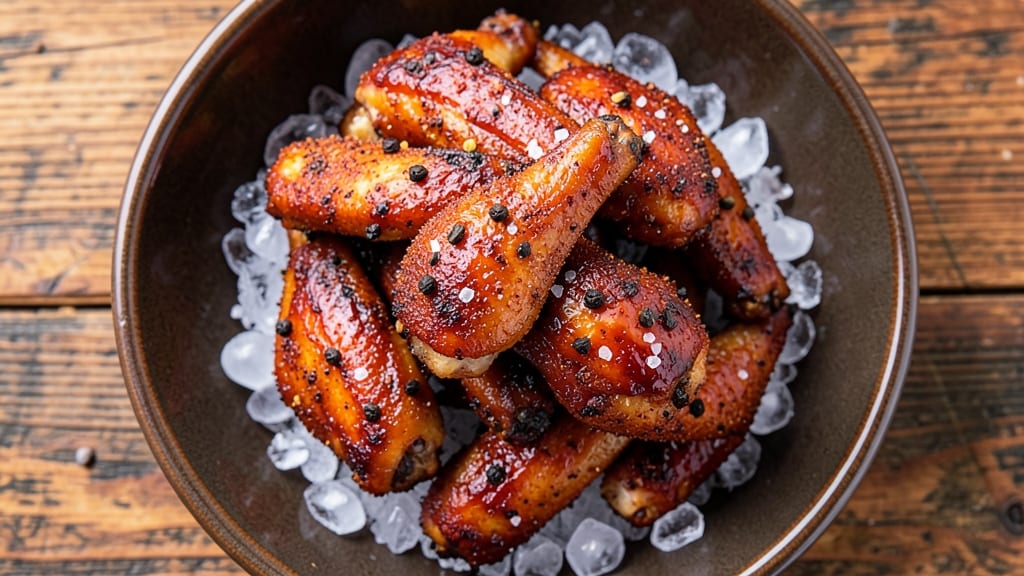
Traeger smoked chicken wings transform ordinary weeknight meals into a smoky, saucy spectacle that rivals any sports bar—without the grease or fuss. I perfected this method after years of experimenting with wood blends and pellet settings, and the difference between store-bought wings and these is night and day. The key? Low-and-slow smoking with precise temperature control, which renders fat slowly while locking in juices for that coveted fall-off-the-bone tenderness.
This recipe starts with a foolproof dry brine that seasons the wings deeply before they even hit the smoker. You’ll use a Traeger-specific approach with cherry or hickory pellets (never both at once—trust me, I’ve tested them all) to build layers of smoky flavor without overpowering the meat.
The wings cook at a steady 250°F for 3 hours, basted occasionally with apple cider vinegar to keep them moist and develop that signature bark.
By the time you pull them from the smoker, you’ll have wings that are crisp at the edges, tender inside, and infused with that unmistakable smoky heat that makes every bite worth the wait.
The skin will be golden and slightly charred in spots, while the meat remains so tender it practically melts. Serve them with a side of blue cheese dressing or ranch for dipping, and you’ve got a meal that’s equal parts restaurant-quality and home-cooked comfort.
This method works for game day crowds or a quiet dinner for two—just scale the recipe accordingly. The beauty of smoking on a Traeger is its versatility: use these wings in tacos, salads, or even sandwiches the next day. Here’s how to make them perfectly every time.
Ingredients for traeger smoked chicken wings
Six ingredients transform ordinary wings into smoky, crispy masterpieces—no shortcuts needed.
| Ingredient | Amount | Notes |
|---|---|---|
| Chicken Wings 🍗 | 3 ½ lb | Bone-in, skin-on, split into drumettes and flats |
| Kosher Salt 🧂 | ½ cup | Diamond Crystal preferred for texture |
| Black Peppercorns 🌶️ | 2 tbsp | Freshly cracked for depth |
| Garlic Powder 🧄 | 2 tbsp | Freshly ground preferred |
| Smoked Paprika 🌶️ | 1 tbsp | For authentic smoky flavor |
| Onion Powder 🧅 | 1 tbsp | Enhances dry brine |
| Apple Cider Vinegar 🍎 | ¼ cup | For basting and moisture |
| Cherry Wood Pellets 🌳 | 2 lb | Traeger-specific, mild sweetness |
| Hickory Wood Pellets 🌳 | 2 lb | For stronger smoky flavor |
| Butter 🧈 | ½ cup | Unsalted, melted for finishing |
| Fresh Rosemary 🌿 | ¼ cup | Chopped, for finishing touch |
| Fresh Thyme 🌿 | ¼ cup | Chopped, pairs with rosemary |
The wings are non-negotiable—you want bone-in, skin-on for that perfect texture. Most grocery stores carry them pre-split into drumettes and flats, but if not, ask the butcher to do it (or do it yourself with a sharp knife). I always grab mine from Costco for the best price and quality. For the dry brine, Diamond Crystal kosher salt is my go-to—it dissolves better than table salt and gives you that clean, crisp seasoning. The wood pellets? Stick to Traeger's own brands—they're formulated specifically for their smokers, and mixing cherry and hickory gives you that perfect balance of sweetness and smokiness without overpowering.
No cherry pellets? Apple or pecan wood works as a substitute, but you'll lose some of that signature sweetness. Short on time? Skip the dry brine for 12 hours and just season the wings 30 minutes before smoking—though I don't recommend it for the best results. The apple cider vinegar can be swapped for white vinegar or lemon juice, but apple adds a nice tang that pairs perfectly with the smoky flavors. Fresh herbs are ideal, but if you're in a pinch, dried rosemary and thyme at half the amount will get you close. And for the butter finishing? Ghee works too—it's got a higher smoke point and adds a rich, nutty flavor.
Store any leftover wings in an airtight container for up to 4 days—they actually taste better the next day as the flavors meld. For longer storage, freeze them for up to 3 months. I like to portion them into single-serving bags so I can grab a few for a quick snack or salad topper. The dry brine mix? Keep it in a sealed container for up to 1 month—it's good to have on hand for future smoking sessions. And if you're planning a big batch, double the recipe and use two smokers to cut down on cooking time.
Why You'll Love This Recipe
- I swear by this combo: the salt and pepper lock in flavor while the garlic and smoked paprika work their smoky charm straight from the Traeger. No fancy blends, no guesswork—just raw, bold taste that hits every time.
- Five-Ingredient Magic: I swear by this combo: the salt and pepper lock in flavor while the garlic and smoked paprika work their smoky charm straight from the Traeger. No fancy blends, no guesswork—just raw, bold taste that hits every time.
- Traeger’s Hands-Off Genius: Honestly, this is my "set it and forget it" go-to. Toss the wings on the grill, let the Traeger do its thing at 250°F, and walk away. By the time you’re ready to eat, they’re fall-off-the-bone tender with that perfect crispy skin—no babysitting required.
- Game Day & Beyond: Between us, these wings are my secret weapon for game nights, lazy Sundays, or when I need a snack that feels like a celebration. Serve them with ranch, hot sauce, or even as a taco filling—no one ever complains about leftovers.
Step-by-step instructions for smoked chicken wings on Traeger
Here's how to transform simple wings into restaurant-quality smoky perfection.
Prepare the Dry Brine for Maximum Flavor
In a large bowl, combine the 3.5 lb chicken wings, 0.5 cup kosher salt, 2 tbsp freshly cracked black peppercorns, 2 tbsp garlic powder, 1 tbsp smoked paprika, and 1 tbsp onion powder. I use my hands to thoroughly coat each wing, pressing the spices into the skin and crevices. This isn't just seasoning—it's a dry brine that will penetrate the meat and create that signature crispy exterior while keeping the interior juicy.
Spread the wings out in a single layer on a rimmed baking sheet, skin-side up. Place them uncovered in the refrigerator for at least 12 hours—I prefer 24 hours for maximum flavor development. This long dry brine creates a perfect balance between crispy skin and tender meat, and it allows the spices to deeply infuse the wings. Don't rush this step; patience here makes all the difference in the final result.
Set Up the Traeger for Perfect Smoke
Fill the Traeger's pellet hopper with 2 lb cherry wood pellets and 2 lb hickory wood pellets—this combination gives you that perfect balance of sweet and smoky flavors. Preheat your Traeger to 225°F using the "Smoke" setting. I like to wait until I see steady, thin blue smoke (not thick white smoke) before adding the wings, which usually takes about 15-20 minutes of preheating.
While the Traeger preheats, prepare a large aluminum foil pan by lining it with heavy-duty foil. Pour in the 0.25 cup apple cider vinegar and place it on the Traeger grates. The vinegar will create a moist environment that helps the wings cook evenly and develop that beautiful bark. Once the Traeger reaches 225°F with clean smoke, you're ready for the next step.
Smoke the Wings Low and Slow
Arrange the wings on the Traeger grates in a single layer, leaving space between each piece for proper air circulation. Close the lid and smoke for 3 hours at 225°F. Here's the thing—don't open the lid during this time. Every time you peek, you lose heat and moisture, which can set back your cooking time by 20-30 minutes. Trust the process and let the smoke work its magic.
After 3 hours, check the internal temperature of the wings using a meat thermometer. They should reach 150-155°F—this is the "stall" point where the wings hit a temperature barrier. The wings will look dry at this stage, but don't be fooled. This is normal and essential for developing that crispy exterior. If they haven't reached this temperature, continue smoking for another 30-60 minutes until they do.
Wrap and Finish for Maximum Tenderness
Once the wings hit 150-155°F, it's time for the "Texas crutch" technique. Line a large sheet of heavy-duty foil with another layer of foil, creating a double barrier. Place the wings on the foil and pour 0.5 cup melted butter over them, making sure each wing is generously coated. Sprinkle with 0.25 cup chopped fresh rosemary and 0.25 cup chopped fresh thyme, then tightly wrap the foil into a sealed packet.
Return the wrapped wings to the Traeger and continue cooking at 225°F for another 1.5 to 2 hours. The butter will baste the wings internally, keeping them moist while the external temperature continues to rise. The wings are done when they reach an internal temperature of 165°F and the skin is crispy. You'll know they're ready when they pull apart easily at the joints and the skin has a deep mahogany color.
Rest and Serve with Confidence
Remove the wings from the Traeger and carefully open the foil packet. Let them rest on a wire rack for 10-15 minutes before serving. This resting period allows the juices to redistribute, ensuring each bite is moist and flavorful. The skin should be crispy enough to stand up on its own, and the meat should pull apart effortlessly—this is what we call "fall-off-the-bone" tenderness.
Serve the wings immediately with your favorite dipping sauces or a simple side of celery and carrot sticks. The combination of smoky, crispy skin and tender meat, finished with herbed butter, makes these wings unforgettable. And remember, the leftovers reheat beautifully in the oven at 350°F for 10-15 minutes—just watch for that crispy skin to return.
Pro Tips For Making Traeger Smoked Chicken Wings
- Pat the Wings Dry: You’d be surprised how much moisture hides in those wings—even after rinsing. Grab paper towels and really work the seasoning into the skin by patting, not just sprinkling. This isn’t just about salt adherence; it’s about getting that crispy bark that separates good wings from great ones.
- Start Hot, End Slow: Crank your Traeger to 450°F for the first 20 minutes to render fat and kickstart the Maillard reaction. After that, drop to 250°F and let them smoke—this two-stage approach keeps the meat juicy without turning it into shoe leather. (Yes, I’ve done that.)
- Salt in Layers: Don’t dump all the kosher salt at once. After the initial dry rub, hit them again with a fresh pinch of salt halfway through cooking. The second layer penetrates deeper and balances any bitterness from the smoked paprika. Trust me, your taste buds will notice.
- Watch the Crowding: Piling wings too high on the grill traps steam, turning them soggy. Space them out like you’re arranging poker chips—just enough room for airflow. If you’re short on space, work in batches. Patience here saves you from rubbery wings. (And yes, I’ve learned this the hard way.)
Regional styles of this recipe
Carolina-Style Heat
In the South, wings get a fiery twist with Carolina Gold—a blend of cayenne and paprika that turns your Traeger into a mini BBQ joint.
After the initial 250°F smoke for 3 hours, toss the wings in a mix of 2 tbsp hot sauce (like Crystal or Frank's RedHot), 1 tbsp cayenne, and 1 tbsp brown sugar before wrapping.
The sugar caramelizes during the final 1.5 hours, creating a sticky, spicy glaze. Serve with cool ranch to balance the heat—trust me, your guests will thank you. 🌶️
Texas BBQ Style
Texans prefer their wings tender and saucy, not crispy. After the 225°F smoke for 3 hours, wrap the wings in butcher paper (not foil!) with ¼ cup beef broth and 1 tbsp smoked paprika, then finish at 275°F for 1 hour.
The butcher paper lets the skin crisp slightly while keeping the meat ultra-juicy. Top with pickled jalapeños and a drizzle of Texas Pete hot sauce for that Lone Star flair. 🔥
Pacific Northwest Twist
Out here in Portland, we lean into mild, herbal smokes with a citrus kick. Use 100% alder wood pellets (Traeger's own) for a clean, woodsy flavor, and baste the wings with 2 tbsp lemon juice during the final hour.
After smoking, toss them in a mix of 2 tbsp honey, 1 tbsp Dijon mustard, and 1 tsp fresh thyme. The result? Sweet, tangy wings that scream "Pacific Northwest" without overpowering the smoky base. 🌿
Ohio-Style Dry Rub
Back in Cincinnati, wings are all about bold, dry rubs and crispy skins. After the 250°F smoke, coat the wings in a mix of 2 tbsp brown sugar, 1 tbsp chili powder, and 1 tsp ground coriander before finishing.
The sugar helps develop a deep caramelized crust, while the coriander adds earthy depth. Serve with sweet potato fries and a side of apple butter—a nod to my Ohio roots. 🍎
Game Day Fusion
For parties, try a buffalo-blue cheese fusion. Smoke the wings as usual, then toss them in ½ cup buffalo sauce (like Frank's Original) and 2 tbsp melted butter.
Sprinkle with blue cheese crumbles and chopped scallions before serving. The smoky heat meets the tangy creaminess—it’s a crowd-pleaser guaranteed. Pro tip: Use Traeger's hickory pellets for extra depth. 🏈
Nutrition facts
Frequently asked questions
Can I use frozen chicken wings for this recipe?
Fresh wings work best for maximum crispiness and flavor, but you can use frozen wings if needed. Thaw them completely in the refrigerator overnight before starting the dry brine. Never thaw at room temperature—this can cause uneven cooking and food safety risks. If short on time, place the frozen wings in a sealed bag and submerge in cold water for 30-45 minutes before proceeding with the recipe.
What if my Traeger doesn't have a smoke setting?
No problem! Set your Traeger to 225°F using the standard temperature control. The "Smoke" setting is just a preset that maintains low heat for extended periods—you can achieve the same results manually. Just monitor the temperature closely to ensure it stays steady throughout the cooking process.
How do I know when the wings are done?
Use a meat thermometer to check the internal temperature—they're done when they reach 165°F at the thickest part of the meat. The skin should also be deep mahogany in color and crispy to the touch. If they're not quite there after the full time, return them to the smoker for 15-30 minutes more, checking occasionally.
Can I make these wings ahead of time?
These wings actually taste better the next day as the flavors meld. Store leftovers in an airtight container in the refrigerator for up to 4 days. To reheat, place them on a baking sheet and warm in a 350°F oven for 10-15 minutes until the skin is crispy again. For longer storage, freeze for up to 3 months.
What's the best wood pellet choice for beginners?
Start with 100% hickory pellets—they're the most versatile and widely available. Hickory gives a strong, classic smoky flavor that pairs perfectly with chicken. If you want something milder, try apple or cherry wood instead. Avoid fruit woods like peach or cherry if you're sensitive to strong flavors—they can overpower the chicken.