
Soups & Stews
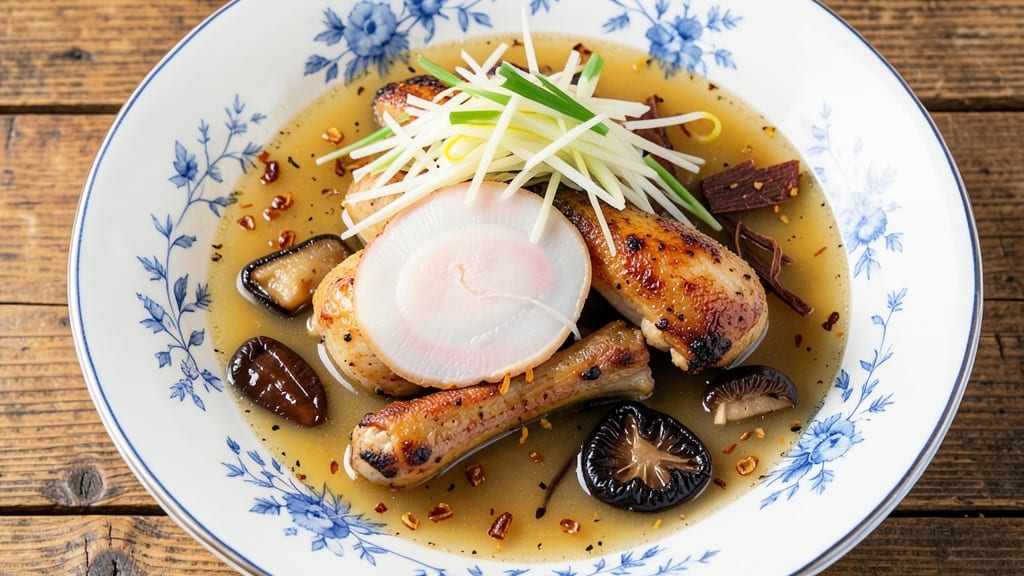
This abalone ginseng chicken soup recipe transforms a simple pot into a luxurious, umami-rich elixir that blends East Asian tradition with home kitchen practicality. The secret lies in slow-simmered abalone and ginseng, which infuse the broth with deep, healing flavors that linger long after the last spoonful.
I developed this version after years of refining restaurant-style techniques for home cooks—no special equipment required, just patience and attention to balance.
The beauty of this soup is in its layers: tender chicken thighs provide protein, abalone adds luxurious texture, and ginseng contributes earthy warmth that calms and nourishes. We'll build the broth from scratch, letting flavors meld over 2 hours of gentle simmering—this is where the magic happens.
The result is a velvety, aromatic liquid that's rich enough to stand alone but perfect with steamed rice or fresh herbs on top.
What makes this recipe special is how it adapts to your pantry while delivering restaurant-quality depth. The ginseng isn't just medicinal—it creates complex, slightly sweet notes that harmonize with the abalone's briny richness.
We'll show you how to prepare the abalone properly (no overcooking!) and balance the umami so every sip is satisfying. This isn't just soup; it's a comforting experience that feels like a hug in a bowl.
The best part? This soup tastes even better the next day as flavors continue to develop. Serve it with pickled vegetables for contrast or a sprinkle of scallions for freshness.
Let's create something that feels both luxurious and deeply nourishing—perfect for healing meals or special gatherings. The instructions will guide you through every step with confidence.
Ingredients for abalone ginseng chicken soup
Luxurious umami layers begin with these healing, aromatic ingredients that transform simple broth into restaurant-worthy elixir.
| Ingredient | Amount | Notes |
|---|---|---|
| Chicken Thighs (bone-in, skin-on) 🍗 | 1 ½ lb | Skin-on for extra flavor |
| Dried Ginseng Root (sliced) 🌿 | 1 tbsp | Korean red ginseng preferred |
| Abalone (fresh or frozen) 🦪 | 1 whole | Cleaned, dried thoroughly |
| Dried Shiitake Mushrooms 🍄 | 4 whole | Rehydrated before use |
| Daikon Radish (julienned) 🥕 | 1 whole | Skin removed, cut into matchsticks |
| Green Onions (scallions) 🧅 | ¼ cup | White and green parts separated |
| Fresh Ginger (sliced) 🧄 | 1 inch | Peeled, diagonal slices |
| Garlic Cloves 🧄 | 6 cloves | Minced or crushed |
| Sesame Oil 🫒 | 1 tbsp | Toasted for aroma |
| Soy Sauce 🥄 | ½ cup | Dark soy for color |
| Dried Kelp (seaweed) 🌊 | 1 tbsp | Crumbled for texture |
| Dashi Powder 🍜 | 1 tbsp | Kombu-based preferred |
| White Rice Vinegar 🍶 | 1 tbsp | Balances umami |
| Salt 🧂 | 1 ½ tsp | Kosher or sea salt |
| Black Peppercorns 🌶️ | ½ tsp | Freshly cracked |
The abalone is the star—fresh from a seafood market if possible, but high-quality frozen works too. Look for plump, translucent pieces with no fishy odor. Korean red ginseng from specialty stores or Asian markets elevates the earthy depth, but regular ginseng works in a pinch. The chicken thighs? Skin-on, bone-in for maximum flavor—ask your butcher for the plumpest cuts. Daikon radish adds subtle sweetness; grab the long, white variety at Trader Joe's or any Asian grocery. For shiitake mushrooms, dried is best—rehydrate them in hot broth before adding to the pot.
No abalone? Scallops or clams add briny depth, though texture differs. Running short on ginseng? Fresh ginger at double the amount gives warmth without the same complexity. The dashi powder can be swapped for 1/2 cup kombu broth if you're feeling ambitious. For the soy sauce, dark soy sauce gives that signature color, but regular soy works too. The kelp adds oceanic richness—if you can't find dried kelp, nori sheets crumbled into the broth work beautifully. And that sesame oil? Toast it first in a dry pan for 30 seconds to deepen the aroma.
This soup tastes even better the next day as flavors meld—double the batch if you can. Store in airtight containers for 4-5 days in the fridge or freeze for 3 months. The abalone and chicken reheat beautifully; just warm gently on the stove. For serving, keep the white and green parts of scallions separate—toss the greens on top at the end. The broth alone is a healing elixir, but with rice and pickled vegetables, it becomes a complete meal. Every spoonful delivers that perfect balance of umami, earthiness, and comfort.
Why You'll Love This Recipe
- Same recipe, different vibes: quick weeknight meal or impressive guest dinner. I’ll be real, the abalone makes it feel fancy, but the prep’s so simple my kids think it’s "normal" (they’re wrong).
- One-Pot Magic: The chicken thighs and abalone release their own broth—no extra stock needed. Honestly, I just toss everything in a pot, simmer, and walk away. The ginseng and shiitakes do all the flavor work while I sip tea.
- Umami Bomb: That first bite? The abalone melts like silk, while the ginseng adds a warm, earthy depth—like a hug in soup form. Between us, the daikon’s crunch cuts through the richness perfectly, every time.
- Weeknight to Dinner Party: Same recipe, different vibes: quick weeknight meal or impressive guest dinner. I’ll be real, the abalone makes it feel fancy, but the prep’s so simple my kids think it’s "normal" (they’re wrong).
Step-by-step instructions for abalone ginseng chicken soup
Transform simple ingredients into a luxurious broth that balances earthy ginseng, briny abalone, and comforting chicken.
Prepare the Abalone and Rehydrate Shiitake Mushrooms
Begin by cleaning the abalone thoroughly under cold water, then pat it completely dry with paper towels. Using kitchen shears, cut the abalone into ¼-inch thick slices, removing any remaining membrane. The abalone should be completely dry before cooking—this ensures it absorbs flavors rather than releasing water into the broth.
While preparing the abalone, place the 4 whole dried shiitake mushrooms in a heatproof bowl and cover them with hot water (about 1 cup). Let them soak for 20 minutes until they've expanded to about 3-4 times their original size. Drain, reserving the soaking liquid for later use. This rehydration step is crucial—it transforms the mushrooms from tough dried nuggets into tender, flavorful additions that dissolve beautifully into the broth.
Sear the Chicken and Build the Umami Base
Heat a large pot over medium-high heat and add 1 tablespoon sesame oil. Once the oil shimmers, add the 1.5 lb chicken thighs, skin-side down. Sear for 5-6 minutes until the skin is deep golden brown and crispy. Flip the thighs and sear the other side for 3-4 minutes until golden. Remove the chicken and set aside.
In the same pot, add 1 tablespoon dried ginseng root, 1 tablespoon dried kelp, and 1 tablespoon dashi powder. Stir for 30 seconds to toast the aromatics lightly—this awakens their earthy, oceanic flavors. Add the rehydrated shiitake mushrooms (discard stems), 1 inch sliced ginger, 6 minced garlic cloves, and 1 whole daikon radish (julienned). Stir for 1 minute until the garlic turns golden and fragrant. Here's the thing—this step creates the foundation of your soup's depth. The ginseng and kelp infuse the broth with their unique umami qualities, while the ginger and garlic add warmth and complexity.
Simmer the Broth with Abalone and Seasonings
Pour in 4 cups water (or the reserved mushroom soaking liquid if you prefer a richer base) and bring to a gentle boil. Return the chicken thighs to the pot, skin-side up. Add 0.5 cup soy sauce, 1 tablespoon white rice vinegar, 1.5 teaspoons salt, and 0.5 teaspoon cracked black peppercorns. Reduce heat to medium-low and let the soup simmer uncovered for 45 minutes, skimming any foam that rises to the surface. This simmering time allows the chicken to become fork-tender while extracting maximum flavor from the bones.
After 45 minutes, carefully add the abalone slices to the pot. The abalone should cook just until it becomes opaque and slightly firm—about 5-7 minutes. Overcooking will make it rubbery. You'll know it's perfect when it holds its shape but feels tender to the touch. Remove the chicken thighs and let them rest for 5 minutes before shredding the meat from the bones. Return the shredded chicken to the pot and stir gently to combine.
Finish with Fresh Aromatics and Adjust Seasoning
Turn off the heat and let the soup sit for 5 minutes to allow the flavors to meld. Stir in 0.25 cup green onions, separating the white and green parts. The white parts add subtle sharpness, while the greens bring freshness to each bowl. Taste the broth and adjust seasoning if needed—you might need a touch more soy sauce for umami depth or a splash of water if the broth is too concentrated.
This is where the magic happens: the abalone should be tender yet firm, the chicken shreds should be juicy and flavorful, and the broth should be rich with layers of umami from the ginseng, kelp, and shiitake mushrooms. The daikon radish adds a delicate sweetness that balances the briny abalone and savory chicken. Serve immediately in warm bowls, garnished with additional green onion slices for a pop of color and freshness. Each spoonful delivers a perfect harmony of textures and flavors—creamy abalone, tender chicken, and a velvety broth that's packed with healing properties.
Pro Tips For Making Abalone Ginseng Chicken Soup
- PARBOIL GINSENG FIRST: I learned this the hard way—dried ginseng root soaks up moisture like a sponge. Drop the slices in boiling water for 30 seconds before adding them to the soup to soften them up. This guarantees they’ll release their earthy depth instead of floating like useless twigs.
- THAW ABALONE IN COLD WATER: Skip the microwave for frozen abalone—it turns rubbery. Instead, submerge the whole piece in cold water for 15-20 minutes. The cold shock revives the texture, and you’ll avoid that sad, mushy bite that ruins the dish. (Yes, even if you’re impatient like me.)
- SIMMER LOW AFTER ADDING ABALONE: The moment you toss in abalone, the broth will scream for high heat—but resist. Drop the flame to a bare simmer (just tiny bubbles) or the abalone will toughen up faster than your patience. Thirty minutes of gentle cooking is all it needs to melt into the broth.
- SALT THE BROTH IN STAGES: Don’t dump all the salt at once, especially with ginseng and shiitake in the mix. Start with half the salt when the chicken begins to poach, then add the rest after the abalone joins the party. This balances the flavors without overpowering the delicate seafood. (Your future self will notice the difference.)
Dietary considerations for abalone ginseng chicken soup
Gluten-Free Adaptations
This soup is naturally gluten-free, but always double-check labels on soy sauce and dashi powder. I recommend using tamari instead of regular soy sauce—it's gluten-free and adds a deeper umami flavor.
For dashi, opt for a kombu-based powder without wheat additives. The ginseng root, abalone, and chicken are all gluten-free ingredients, so you won't need to make any other substitutions. 🌱
Low-Sodium Options
If you're watching your sodium intake, reduce the soy sauce to ¼ cup and replace the rest with coconut aminos for a similar flavor profile. Skip the added salt and let the natural umami from the ginseng, kelp, and mushrooms shine.
The broth will still be rich and satisfying—just less salty. Taste as you go and adjust gradually. ⚡
Vegetarian Substitutions
For a vegetarian version, replace the chicken thighs with extra-firm tofu or shiitake mushrooms. Press and cube the tofu, then pan-fry until golden before adding to the broth. Use an additional 2 tbsp dried shiitake mushrooms for extra depth.
The abalone can be replaced with king oyster mushrooms for a meaty texture, though the flavor will differ slightly. 🍄
Allergen Considerations
This recipe contains shellfish (abalone), so avoid if you have shellfish allergies. For nut allergies, ensure your sesame oil is processed in a nut-free facility. The ginseng and other ingredients are typically allergen-free, but always check packaging.
If you're sensitive to sulfites, use fresh ingredients whenever possible rather than dried or processed ones. 💡
Ginseng-Free Alternative
If you're avoiding ginseng for any reason, replace it with 1 extra tablespoon of fresh ginger and ½ teaspoon of ground cinnamon. The ginger adds warmth while the cinnamon contributes subtle sweetness that complements the abalone's brininess.
You'll lose some of the earthy depth, but the soup will still be flavorful and comforting. 🌿
Protein Adjustments
For a lighter protein option, reduce the chicken to 1 lb and add ½ lb of firm tofu or extra shiitake mushrooms. If you prefer more seafood, add ½ lb of scallops during the last 5 minutes of cooking to prevent overcooking.
The abalone remains the star, so don't overpower it with too many additional proteins. 🦪
Nutrition facts
Frequently asked questions
Can I use frozen abalone instead of fresh?
Yes! Frozen abalone works perfectly as long as it's high-quality and properly thawed. Start by placing the frozen abalone in a bowl of cold water for 15-20 minutes to thaw gently. Pat it completely dry before slicing—this prevents excess moisture from diluting your broth. Fresh abalone has a firmer texture, but well-frozen abalone maintains excellent flavor when prepared this way.
How do I know when the abalone is cooked perfectly?
The abalone is done when it becomes opaque and slightly firm—about 5-7 minutes of simmering. Overcooking turns it rubbery, while undercooked pieces will be translucent. Test by gently pressing a slice with a spoon: it should hold its shape but yield slightly. Remove it immediately when ready, as it continues cooking slightly from residual heat.
Can I make this soup in an Instant Pot?
Use the soup/broth setting for 45 minutes after searing the chicken and building the umami base. Add the abalone with 2 minutes remaining in the cycle. The Instant Pot's pressure helps tenderize the abalone faster, but monitor closely—it cooks quicker than stovetop methods. Let the pressure release naturally for 10 minutes before opening.
What's the best way to store leftovers?
Store in airtight containers for 4-5 days in the fridge or freeze for 3 months. The broth actually improves overnight as flavors meld! Reheat gently on the stove—never microwave—adding a splash of water if the broth thickens. The abalone and chicken reheat beautifully, though the abalone may firm up slightly. Garnish with fresh scallions before serving for brightness.
Why does my soup taste too salty?
This usually happens from over-salting during cooking or using high-sodium ingredients. To fix it, add ½ cup hot water and let the soup simmer uncovered for 10 minutes to dilute the salt. For prevention, taste the broth before adding all the salt—start with 1 teaspoon and adjust gradually. The soy sauce and dashi contribute most of the saltiness, so measure carefully.