
Soups & Stews
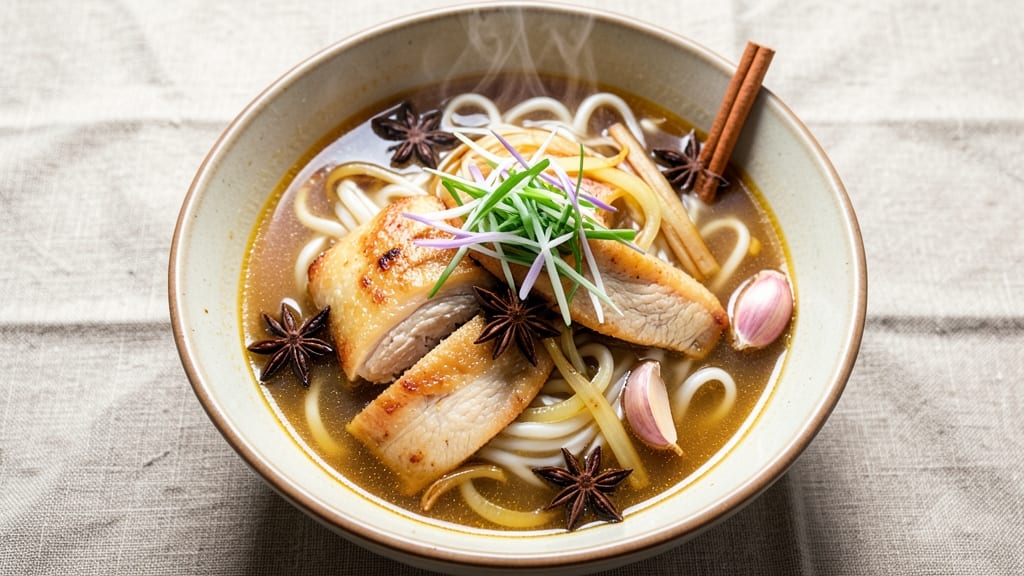
This Asian chicken stock soup transforms simple ingredients into a fragrant, umami-packed broth that warms the soul—just like my grandmother’s recipe, but with a modern twist. The secret lies in slow-simmered spices like star anise and cinnamon, which infuse the broth with deep, aromatic layers.
Unlike quick broths, this method develops rich flavor over hours, turning ordinary chicken into something extraordinary.
What sets this recipe apart is the balance of textures and flavors: tender shredded chicken, silky noodles, and fresh herbs that brighten every spoonful. The broth isn’t just a base—it’s the star, built from scratch with ginger, garlic, and a touch of soy for depth.
No shortcuts here; every step ensures a restaurant-quality result at home, even for beginners.
The final bowl delivers a symphony of tastes: savory, slightly sweet, and subtly spiced, all while being light enough for lunch or hearty enough for dinner. Garnishes like cilantro and lime add freshness, while optional toppings—like chili oil or crushed peanuts—let you customize it to your taste.
This isn’t just soup; it’s comfort in a bowl.
Perfect for chilly evenings or when you need a nourishing meal, this recipe scales easily for crowds or leftovers. The broth freezes beautifully, too, so you’ll always have a flavorful base on hand. Let’s get started—your taste buds will thank you.
Ingredients for asian chicken stock soup
Simple ingredients that build layers of aroma and comfort in every spoonful.
| Ingredient | Amount | Notes |
|---|---|---|
| Chicken Thighs (bone-in, skin-on) 🍗 | 1 ½ lb | Cut into 2-inch pieces, skin left on |
| Yellow Onion 🧅 | 1 whole | Quartered, skin on for color |
| Fresh Ginger 🌿 | ½ cup | Unpeeled, cut into thick slices |
| Garlic Cloves 🧄 | 6 cloves | Smashed with side of knife |
| Star Anise Pods 🌟 | 2 whole | Lightly crushed for aroma |
| Cinnamon Sticks 🍃 | 2 whole | 2-inch pieces for depth |
| Dried Bay Leaves 🍃 | 2 whole | For subtle earthiness |
| Fresh Cilantro 🌿 | ¼ cup | Chopped, for garnish |
| Green Onions 🧅 | 4 whole | Thinly sliced, for garnish |
| Lime 🍋 | 1 whole | Juiced, for brightness |
| Dried Shiitake Mushrooms 🍄 | 4 whole | Rehydrated in hot water |
| Egg Noodles 🍜 | 8 oz | Fresh or dried, any width |
| Low-Sodium Soy Sauce 🥄 | 2 tbsp | For umami depth |
| Sesame Oil 🫒 | 1 tbsp | Toasted, for aroma |
| Chili Oil (optional) 🌶️ | 1 tbsp | For heat, drizzled last |
The star anise and cinnamon are non-negotiable here—they’re what gives this broth its signature depth. Look for whole pods at Asian markets or the spice aisle, not the ground versions. The ginger and garlic should be fresh (no jarred shortcuts), and the shiitake mushrooms? Rehydrate them in hot water first—they’ll turn into silky, flavorful magic. Chicken thighs work best (skin-on for extra richness), but breasts will do in a pinch. If you’re using dried noodles, soak them in hot broth for 2-3 minutes—they’ll absorb all that umami goodness.
No star anise? 1 tsp ground anise seed or even a dash of anise extract (use sparingly) gets you close. Skip the soy sauce? A splash of fish sauce or coconut aminos works, but the broth will taste slightly different. Fresh ginger too pungent? Use 1/4 tsp ground ginger instead, but you’ll lose some of that bright zing. The mushrooms can be cremini or even oyster—just make sure they’re dried for maximum flavor. And if you’re short on time, chicken bouillon cubes (1 cube) can jumpstart the broth, though it won’t taste as layered.
This broth tastes even better the next day—let it cool, then refrigerate for up to 5 days. Freeze it in 1-cup portions for quick meals later. The noodles? Cook them separately and add to bowls just before serving so they don’t get soggy. Garnishes like cilantro and lime should go on right before eating (the lime brightens everything up). Store any leftovers with a splash of broth to keep them moist—3 days max in the fridge. Trust me, you’ll make this again.
Why You'll Love This Recipe
- I’ll be real: the onion and ginger are the only prep work, and even that’s just rough slicing—not those tiny minces that make your eyes water. That skin-on chicken? It renders into pure, golden flavor with almost no effort.
- No Chopping Nightmare: I’ll be real: the onion and ginger are the only prep work, and even that’s just rough slicing—not those tiny minces that make your eyes water. That skin-on chicken? It renders into pure, golden flavor with almost no effort.
- Umami Bomb: The star anise and ginger simmer into something deep—like a warm hug for your taste buds. The bone-in thighs melt into the broth, turning it rich without a drop of cream. (Yes, even my picky husband licks the bowl.)
- Soup-to-Salad Upgrade: Use the broth as a base for noodles, grains, or even a cold salad dressing. Freeze half the batch—it’s my secret weapon for lazy mornings or last-minute company. (Pro tip: the star anise stays fragrant even when reheated.)
Step-by-step instructions for Asian chicken stock soup
This aromatic broth builds depth through slow simmering—every spice and herb plays a role.
Sear the Chicken for Maximum Flavor
Pat the 1.5 lb chicken thighs dry with paper towels and cut into 2-inch pieces, leaving the skin on. Heat a large Dutch oven over medium-high heat and add just enough oil to coat the bottom lightly. Working in batches if needed, add the chicken pieces skin-side down and sear for 4-5 minutes until the skin turns deep golden brown and crispy.
Flip the chicken and cook for another 3-4 minutes until the meat is no longer pink at the edges. Remove the chicken and set it aside—this initial searing locks in juices and creates a rich foundation for the broth. Don't rush this step; the crispy skin will infuse the broth with incredible depth of flavor.
Build the Aromatic Base
In the same Dutch oven, add the quartered yellow onion (skin on for color) and cook for 5 minutes until the edges start to soften and caramelize slightly. Add the 0.5 cup fresh ginger (unpeeled, in thick slices) and cook for another 2 minutes until fragrant and just starting to soften.
Push the vegetables to one side of the pot and add the 6 smashed garlic cloves, 2 lightly crushed star anise pods, 2 cinnamon sticks (cut into 2-inch pieces), and 2 dried bay leaves. Cook for 1 minute until the garlic is golden and the spices are sizzling. This step releases their essential oils, which will infuse the broth with warm, complex aromas.
Simmer the Broth for Deep Umami
Pour in 8 cups of water (enough to cover the ingredients by about 2 inches) and bring to a boil. Once boiling, reduce heat to low and add the seared chicken back to the pot. Skim off any foam that rises to the surface during the first 5 minutes of simmering—this ensures a clear, clean broth.
Add the 2 tbsp low-sodium soy sauce and 4 rehydrated dried shiitake mushrooms (soaked in hot water for 20 minutes). Partially cover the pot and simmer gently for 45-60 minutes, stirring occasionally. The broth should reduce slightly and develop a rich, golden color with visible layers of fat on top—this is the sign of a properly built stock.
Finish with Noodles and Garnishes
While the broth simmers, cook the 8 oz egg noodles according to package instructions until al dente. Drain and set aside. Just before serving, add the cooked noodles to the broth along with the 1 tbsp toasted sesame oil and juice of 1 lime. Stir gently to combine—this brightens the flavors and adds a fresh contrast to the rich broth.
Ladle the soup into bowls and garnish with 0.25 cup chopped fresh cilantro and 4 thinly sliced green onions. For an extra kick, drizzle with 1 tbsp chili oil (if using). Serve immediately while the noodles are warm and the broth is steaming—this is when all the flavors come together in perfect harmony.
Pro Tips For Making Asian Chicken Stock Soup
- Brown the Skin First: That crispy skin is where the flavor hides—don’t skip it. Sear the chicken thighs skin-side down in a dry pot for 8-10 minutes until deep golden, then flip briefly. I used to rush this and wondered why my stock tasted bland. Patience here pays off in richness.
- Peel and Slice Ginger Thin: No need for fancy julienne cuts—just slice ginger paper-thin (about 1/8-inch) so it infuses without overpowering. I learned this the hard way when I chunked it and ended up with a soup that tasted like a ginger chew toy. Thin slices dissolve just enough to flavor without dominating.
- Simmer, Don’t Boil: Once the stock starts, keep it at a low, gentle simmer—tiny bubbles at the edges, not a rolling boil. Boiling scatters aromatics and makes the stock cloudy. I used to let mine rage, and the result was murky and weak. A lid helps maintain heat without the chaos.
- Toast the Star Anise: Dry-toast the star anise pods in the pot for 30 seconds before adding liquid—it deepens their aroma. Skip this, and you’re just floating flavorless pods. I was skeptical until I tried it; now I can taste the difference in every sip.
Perfect pairings for this asian chicken stock soup
Side Dish Harmony
Pair this soup with steamed jasmine rice—its mild, slightly floral notes complement the bold broth without competing. I like using short-grain rice like Koshihikari, which absorbs the soup’s flavors beautifully. For extra texture, serve with crispy fried shallots or toasted sesame seeds sprinkled on top. 🍚
For a lighter option, try a quick cucumber salad with rice vinegar, sugar, and sesame oil. The cool crunch cuts through the richness of the soup while keeping the meal balanced. Another winner? Pan-fried dumplings—just a few golden wrappers add a satisfying contrast to the silky broth.
Drink Pairings
A light-bodied Japanese sake like Hakkaisan Junmai enhances the soup’s umami without overpowering it. The subtle sweetness and clean finish mirror the broth’s depth. For beer lovers, a crisp lager such as Asahi Super Dry or Sapporo works perfectly—the carbonation cleanses the palate between bites. 🍶
If you prefer wine, a dry Riesling with its bright acidity and hints of citrus pairs wonderfully. The wine’s crispness balances the soup’s richness, while its stone fruit notes echo the ginger and lime in the dish. Avoid heavy reds—they’ll clash with the delicate broth.
Topping Customizations
Add soft-boiled eggs for extra protein—slice them in half and place them on top for a silky yolk that blends into the broth. For texture, try crushed peanuts or toasted coconut flakes, which add a nutty crunch.
A drizzle of sriracha or gochujang brings heat, while hoisin sauce adds a sweet-savory depth. 🌶️
Fresh herbs like Thai basil or mint brighten the dish, especially if you’re serving a coconut-infused version. For a smoky twist, sprinkle with crumbled bacon or fried garlic chips. The key is to balance flavors—start with one or two toppings to avoid overwhelming the soup’s natural harmony.
Dessert Follow-Up
End the meal with matcha mochi or red bean buns—their subtle sweetness and chewy texture provide a gentle contrast to the savory soup. A green tea-infused dessert like yuzu sorbet also cleanses the palate beautifully. 🍡
For a lighter option, serve fresh mango slices with a sprinkle of lime zest and chili powder. The tropical sweetness and spicy kick balance the meal’s richness while keeping it refreshing. Avoid heavy, creamy desserts—they’ll leave you feeling sluggish after such a light yet flavorful soup.
Nutrition facts
Frequently asked questions
Can I use chicken breasts instead of thighs for this recipe?
Yes, but with adjustments! Chicken breasts are leaner, so they won’t add as much fat to the broth for richness. For best results, use bone-in, skin-on breasts and sear them until golden. If using boneless, add 1 tbsp butter or oil to the pot during simmering to compensate for lost flavor. The meat will be slightly less tender but still delicious.
How do I make this soup spicier without overpowering the broth?
Start with 1/2 tsp red pepper flakes or 1/2 tsp gochugaru (Korean chili flakes) during the simmering stage. For heat, add 1-2 slices of fresh chili (like Thai bird’s eye) or 1 tsp sambal oelek at the end. For depth without heat, stir in 1 tsp miso paste or 1/2 tsp ground Sichuan peppercorns (toasted first). Always taste as you go!
Can I prepare the broth ahead of time?
The broth tastes even better the next day. Let it cool completely, then refrigerate for up to 5 days or freeze in 1-cup portions for 3 months. When reheating, warm gently on the stove or microwave until steaming. For serving, add fresh noodles and lime juice to revive the flavors. The longer it sits, the more complex the taste becomes!
What if I don’t have star anise or cinnamon?
No problem! For star anise, use 1 tsp ground anise seed or 1/2 tsp fennel seeds (toasted). For cinnamon, try 1/2 tsp ground cinnamon or 1/4 tsp cardamom pods (lightly crushed). The flavor won’t be identical, but these swaps will still add warmth. The key is balancing the spices—reduce other aromatic ingredients slightly if using milder substitutes.
How can I make this soup vegetarian?
Replace the chicken with shiitake mushrooms (8 oz dried) and add 1 tbsp soy sauce plus 1 tsp mushroom powder for umami. For heartiness, include tofu (pressed and cubed) or tempeh (pan-fried). Simmer the broth with 1 extra bay leaf and 1 tsp kelp flakes** to enhance depth. Garnish with extra herbs and lime—it’ll still be packed with flavor!