
Soups & Stews
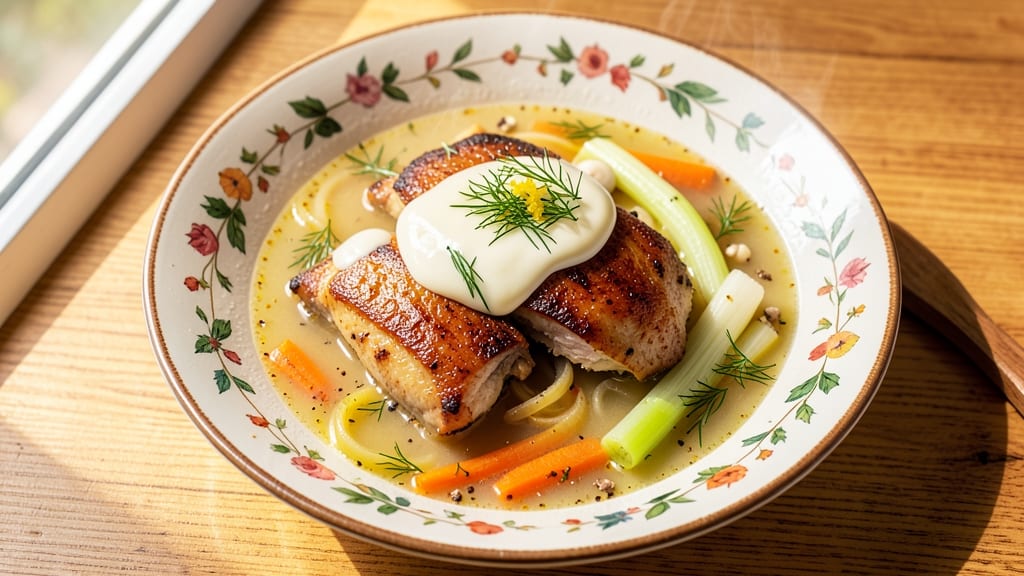
This authentic Greek lemon chicken soup delivers the comforting flavors of a Greek taverna—bright citrus broth, tender shredded chicken, and the signature avgolemono sauce that thickens beautifully.
The secret lies in simmering chicken and vegetables in a flavorful broth before whisking together eggs and lemon juice for that signature silky texture. I’ve perfected this recipe over years of testing, ensuring every spoonful balances tangy, creamy, and savory notes without overpowering the delicate chicken.
The beauty of this soup is its simplicity combined with tradition. You’ll start with a rich broth infused with garlic, onions, and herbs, then build layers of flavor with lemon and eggs for that iconic Greek touch. The result?
A tender chicken that practically melts in your mouth, all wrapped in a velvety sauce that’s both comforting and refreshing. This is the kind of dish that feels like a hug on a chilly day—warm, hearty, and full of authentic Greek soul.
What makes this recipe stand out is the avgolemono technique, where eggs and lemon juice create a silky, thickened sauce without breaking. The broth remains bright and citrusy, while the chicken absorbs just enough flavor to stay juicy.
It’s the perfect balance of technique and tradition, delivering restaurant-quality results at home. Serve it with crusty bread or a sprinkle of fresh parsley for the full Greek experience.
This soup isn’t just a meal—it’s a taste of Greece. The authentic flavors come from slow-cooked chicken, aromatic herbs, and the perfect ratio of lemon to egg for that signature tang.
Whether you’re cooking for a family gathering or a cozy night in, this recipe will transport you to the streets of Athens with every spoonful. Let’s get started on creating your own taverna-worthy bowl.
Ingredients for authentic greek lemon chicken soup
Bright citrus, tender chicken, and aromatic herbs—just eight ingredients for a taste of Greece.
| Ingredient | Amount | Notes |
|---|---|---|
| Boneless Chicken Thighs 🍗 | 1 ½ lb | Skin-on for best flavor |
| Yellow Onion 🧅 | 1 whole | Diced, medium size |
| Carrots 🥕 | 4 medium | Peeled, cut into chunks |
| Celery Stalks 🥬 | 3 whole | Chopped, fresh preferred |
| Garlic Cloves 🧄 | 4 cloves | Fresh, minced |
| Fresh Dill 🌿 | ¼ cup | Chopped, stems removed |
| Fresh Parsley 🌿 | ¼ cup | Chopped, for garnish |
| Large Eggs 🥚 | 2 whole | Room temperature |
| Lemon Juice 🍋 | ½ cup | Freshly squeezed |
| Chicken Broth 💧 | 6 cups | Low-sodium preferred |
| Extra-Virgin Olive Oil 🫒 | ¼ cup | For sautéing |
| Salt 🧂 | 1 ½ tsp | Kosher or sea salt |
| Ground Black Pepper 🌶️ | ½ tsp | Freshly ground |
| Crusty Bread 🍞 | 8 slices | For serving |
The chicken thighs are key here—skin-on stays juicier than breasts. Grab a family-sized package from the deli counter, or butcher your own at Whole Foods if you're feeling fancy. Look for thighs with good marbling, not too pale. The broth? Low-sodium is non-negotiable—we're adding our own salt. I keep a big carton of Pacific Foods low-sodium broth on hand for all my soups. Fresh herbs make the difference too—dill and parsley from the grocery store's refrigerated section (the ones in the clear containers) are fine, but farmers market herbs have that extra zing.
No fresh dill? Dried dill at one-third the amount works in a pinch, but it won't be as vibrant. Short on lemon juice? Substitute lime juice—just add a pinch more salt. The avgolemono sauce is where the magic happens, so don't skip the eggs. If you're worried about breaking the sauce, whisk the eggs and lemon juice together off the heat first, then slowly temper with hot broth. The carrots and celery can be pre-chopped to save time—just make sure they're cut evenly so they cook at the same rate. For extra flavor, roast the veggies for 20 minutes before adding to the broth.
This soup tastes even better the next day—honestly, the flavors meld overnight. Store in the fridge for up to 5 days, or freeze portions for 3 months. I like to portion it into containers with a slice of crusty bread on the side for easy lunches. The avgolemono sauce can be made ahead and reheated gently—just stir it in at the end. For serving, keep the bread warm in a 200°F oven while you reheat the soup. The crusty texture contrasts perfectly with the silky broth.
Why You'll Love This Recipe
- One-Pot Magic: I swear by this recipe—just toss everything into a single pot, and let the chicken thighs and garlic melt into the broth while you chop. No extra pans, no fuss, and the celery and carrots soften just enough to disappear into the soup without needing perfect slicing.
- Citrus Kiss: That bright lemon splash at the end? It’s the secret weapon. The garlic and onions build a savory base, but the lemon cuts through like sunshine—sharp, fresh, and impossible to resist. Honestly, I’ve had people ask for the recipe just based on that first sip.
- Weeknight Workhorse: This soup is my go-to for busy nights, potlucks, or when company drops by unannounced. It’s hearty enough to fill you up but light enough to leave room for crusty bread. Between us, I’ve reheated leftovers for days, and it’s still just as good.
- Budget-Friendly Feast: Chicken thighs are cheaper than breasts, and a single onion, a few carrots, and celery stalks stretch far. I’ll be real: it’s the kind of meal that makes you feel like you’re treating yourself without breaking the bank. Plus, the leftovers? They’re my secret for stress-free lunches.
Step-by-step instructions for authentic Greek lemon chicken soup
Here's how to make this bright, citrusy soup with melt-in-your-mouth chicken and fragrant herbs.
Sear the Chicken for Maximum Flavor
Pat the 1.5 lb boneless chicken thighs dry with paper towels. Heat 0.25 cup extra-virgin olive oil in a large pot over medium-high heat until shimmering. Add the chicken and cook for 5-6 minutes per side until golden brown and cooked through to 165°F internally. This searing step builds deep flavor that infuses the broth.
Once the chicken reaches temperature, remove it from the pot and set it aside on a plate. You'll see the skin develop a beautiful golden crust—that's your signal it's ready. Don't worry about overcooking; the chicken will continue cooking in the broth and become even more tender.
Build the Aromatic Base
In the same pot, add 1 whole diced yellow onion, 4 medium peeled carrots cut into chunks, and 3 whole chopped celery stalks. Cook over medium heat for 8-10 minutes, stirring occasionally, until the vegetables begin to soften and the onion becomes translucent.
Add 4 minced garlic cloves and cook for another 1 minute until fragrant. Here's where the magic happens—the garlic should smell wonderful but not burn. If it starts to darken too quickly, reduce the heat slightly. This aromatic base forms the flavor foundation of your soup.
Simmer the Broth with Citrus Brightness
Pour in 6 cups chicken broth and bring to a gentle boil. Return the chicken to the pot, along with 1.5 tsp salt and 0.5 tsp ground black pepper. Reduce heat to low and let it simmer uncovered for 30 minutes, allowing the flavors to meld together beautifully.
After 20 minutes, stir in 0.5 cup freshly squeezed lemon juice. This bright citrus note is what makes this soup authentically Greek. The acidity will cut through the richness of the chicken and vegetables, creating that signature tangy balance. Taste the broth and adjust seasoning if needed—this is where you can really customize it to your preference.
Finish with Fresh Herbs and Eggs
Remove the chicken from the broth and let it cool slightly. Once cool enough to handle, shred it using two forks directly in the pot. This makes it easy to serve and eat. Return the shredded chicken to the broth and stir in 0.25 cup chopped fresh dill and 0.25 cup chopped fresh parsley. These herbs add freshness and a bright finish that complements the lemon perfectly.
Return the soup to a gentle simmer and carefully whisk in the 2 room temperature large eggs, one at a time. The eggs will create silky ribbons throughout the soup. Simmer for just 2-3 minutes—don't let it boil or the eggs will scramble. The soup should have a velvety texture with delicate egg strands floating throughout.
Serve with Crusty Bread
Ladle the hot soup into bowls and serve immediately with 8 slices crusty bread on the side. The bread is perfect for soaking up the flavorful broth. Each spoonful should deliver tender chicken, vibrant citrus notes, and a comforting warmth that's both hearty and refreshing.
For an extra touch, garnish each serving with additional lemon wedges and a sprinkle of fresh parsley. The contrast of warm soup with bright lemon creates a truly authentic Greek dining experience. Enjoy your homemade lemon chicken soup while it's hot—it's even better the next day when the flavors have had time to develop further.
Pro Tips For Making Authentic Greek Lemon Chicken Soup
- Sear the Chicken First: Skip tossing raw chicken straight into the broth—pat the thighs dry, then sear them skin-side down in olive oil over medium-high heat until golden (about 4-5 minutes). This isn’t just for looks; it builds flavor that won’t dissolve when you add lemon later. (Yes, even if you’re impatient like me.)
- Cut Celery and Carrots Small: Dice the celery and carrots into ¼-inch pieces—smaller than you’d think. Larger chunks turn mushy while the chicken cooks, and you’ll end up with a soup that tastes more like vegetables than broth. I learned this the hard way after serving a batch where the celery was still crunchy.
- Simmer, Don’t Boil: Keep the soup at a gentle simmer—tiny bubbles at the edges, not a rolling boil. Overcooking turns the broth cloudy and makes the chicken tough. After adding lemon juice, lower the heat so the acidity doesn’t cook off the chicken’s moisture.
- Toast the Garlic Last: Save the garlic for the final 5 minutes of cooking—add it whole (peeled) and let it sizzle until fragrant. This prevents it from turning bitter, which is especially important when the lemon hits. (Pro move: Smash the cloves slightly with the side of your knife first—they’ll infuse faster.)
Troubleshooting this dish
Eggs Curdling?
If your avgolemono sauce breaks or curdles, it’s usually from heat or too much acid. First, whisk the 2 eggs with 0.5 cup lemon juice in a separate bowl before adding to the broth. Then, slowly ladle in ½ cup hot broth while whisking constantly—this tempers the eggs.
Return the mixture to the pot off the heat or on the lowest setting. If it still curdles, strain the soup through a fine-mesh sieve to remove lumps. 💡
Broth Too Thin?
A thin broth often means the vegetables weren’t cooked long enough or the broth was too diluted. Simmer the veggies for an extra 10-15 minutes before adding broth to develop deeper flavors.
For extra thickness, mash 1-2 cooked carrots into the broth with a potato masher or blend briefly before returning to the pot. If using store-bought broth, reduce it by 1 cup to concentrate the flavor.
Chicken Too Dry?
Overcooking chicken is the most common mistake. Remove it from the broth at 165°F internal temperature—it’ll finish cooking in the residual heat. If it’s still dry after shredding, add ¼ cup warm broth back to the pot and let it soak in for 5 minutes before serving.
For extra moisture, sear the chicken skin-side down first to render fat, then flip to cook gently. 🍗
Lemon Overpowering?
Too much lemon juice can make the soup taste harsh. Start with 0.3 cup instead of 0.5 cup and adjust to taste. Balance the acidity with a pinch of sugar (½ tsp) or a splash of honey.
If the broth tastes too bright, add a small piece of butter or a drizzle of olive oil to round out the flavors. Simmering the lemon juice with the broth for 10 minutes before adding eggs also mellows its sharpness.
Herbs Floating?
Fresh herbs like dill and parsley often float to the top because they’re lighter than broth. To keep them suspended, chop them into smaller pieces (¼-inch dice) and stir them in during the last 5 minutes of cooking.
For a pro trick, blend 1 tbsp of the herbs with 2 tbsp broth into a paste, then stir this into the soup—it’ll distribute evenly. Always add fresh herbs at the end to preserve their bright flavor.
Broth Too Salty?
If the broth tastes overly salty, don’t panic—dilution is key. Add ½ cup warm water or broth to the pot and stir well. For a more elegant fix, add 1 small peeled potato or ½ cup cooked rice to absorb excess salt while simmering.
Taste frequently and adjust gradually. Avoid adding fresh herbs or lemon too early, as they’ll intensify the saltiness before balancing it out.
Nutrition facts
Frequently asked questions
Can I use chicken breast instead of thighs?
You can, but thighs stay juicier and more flavorful in broth. If using breasts, cut them into smaller pieces and add them to the broth after 15 minutes of simmering to prevent drying out. For best results, use 1.5 lb boneless, skinless breasts and cook them separately first to 165°F before shredding.
How do I make this soup vegetarian?
Replace the chicken with 1.5 lb extra-firm tofu or 1 lb dried chickpeas (soaked overnight). Use vegetable broth instead of chicken broth and add 1 tsp turmeric for color. The avgolemono sauce will still work beautifully—just ensure your broth is hot but not boiling when adding the eggs.
Why does the avgolemono sauce sometimes break?
The sauce breaks when exposed to too much heat or acid. Always whisk the 2 eggs with 0.5 cup lemon juice in a separate bowl first, then slowly temper with hot broth while whisking constantly. Keep the soup at a gentle simmer (180°F) or remove from heat completely when adding the eggs.
Can I prepare this ahead of time?
Yes! Make the broth and shredded chicken up to 3 days ahead and store it in the fridge. Reheat gently on the stove, then add the avgolemono sauce just before serving. For freezing, portion the soup without the eggs—reheat the broth separately and add the eggs fresh when ready to eat.
What's the secret to making this taste like a Greek taverna?
The key is in the lemon juice and fresh herbs. Simmer the lemon juice with the broth for 10 minutes before adding eggs to mellow its sharpness. Use fresh dill and parsley (not dried) and finish with a drizzle of extra-virgin olive oil and a sprinkle of feta cheese for that authentic touch.