
Soups & Stews
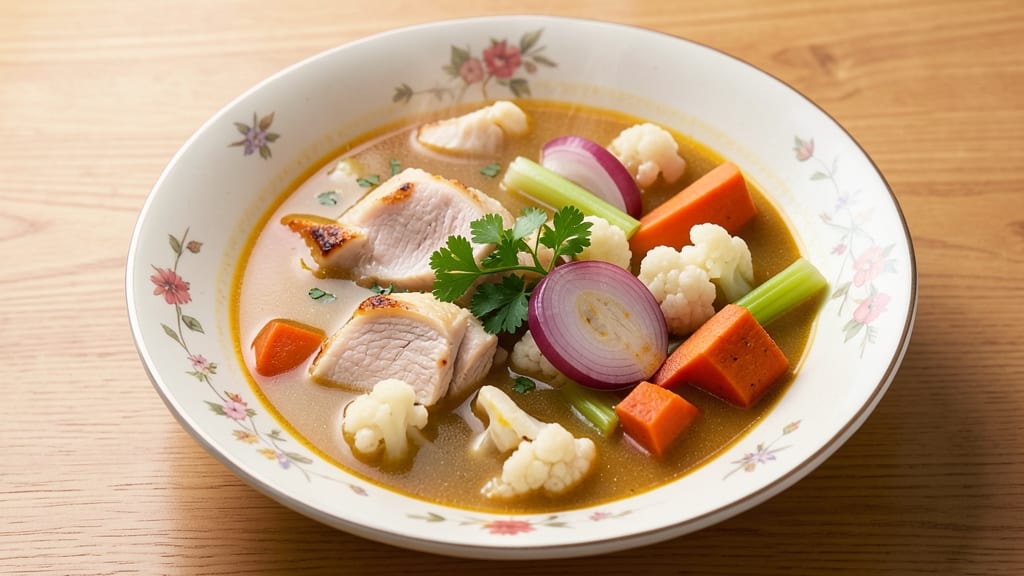
This bariatric chicken soup recipe delivers gentle, protein-rich nourishment designed specifically for healing after surgery. Every ingredient is carefully chosen to be easy-to-digest, low-fat, and packed with essential nutrients to support recovery without straining your system.
The secret lies in blending vegetables for smooth textures while keeping the chicken tender and shredded for effortless eating.
What sets this recipe apart is its focus on nutritional balance—lean protein from chicken breast, hydrating broth, and pureed vegetables that provide vitamins without bulk. The cooking method ensures minimal oil while maximizing flavor, making it gentle on sensitive stomachs.
Portion control is built in, with each serving carefully measured to meet post-surgery dietary guidelines.
By the time you finish this soup, you'll have a warm, comforting bowl that's easy to digest, protein-packed, and hydrating—everything a bariatric patient needs for healing. The texture is smooth yet satisfying, with no hard-to-chew pieces that could cause discomfort.
This isn't just soup; it's a carefully crafted meal designed to support your recovery journey.
The beauty of this recipe lies in its versatility—adjust the blend consistency based on your comfort level, and use it as a base for adding other gentle proteins like fish or tofu if needed.
Each ingredient plays a role in supporting digestion while delivering the nutrition your body needs to heal. Let's get started on this gentle, healing meal.
Ingredients for bariatric chicken soup
Lean protein and easy-to-digest vegetables combine for a healing, nutrient-rich soup perfect for recovery.
| Ingredient | Amount | Notes |
|---|---|---|
| Boneless, Skinless Chicken Breast 🍗 | 1 lb | Skinless, boneless, cut into small pieces |
| Low-Sodium Chicken Broth 💧 | 4 cups | Homemade or low-sodium store-bought |
| Cauliflower Florets 🥬 | 1 cup | Fresh or frozen, cut into small pieces |
| Carrots 🥕 | ½ cup | Peeled, diced into small cubes |
| Celery Stalks 🧅 | ¼ cup | Diced into small pieces |
| Sweet Potato 🍠 | ½ cup | Peeled, diced into small cubes |
| Onion 🧅 | ¼ whole | Diced into small pieces |
| Garlic Cloves 🧄 | 2 cloves | Minced finely |
| Extra-Virgin Olive Oil 🫒 | 1 tbsp | Lightly used for cooking |
| Low-Fat Plain Greek Yogurt 🧀 | ¼ cup | For blending texture |
| Fresh Parsley 🌿 | 2 tbsp | Chopped, for garnish |
| Salt 🧂 | ¼ tsp | Low-sodium preferred |
| Black Pepper 🌶️ | ⅛ tsp | Freshly ground |
| Dried Thyme 🌿 | ¼ tsp | For subtle flavor |
The chicken breast is your protein powerhouse—skinless and boneless ensures gentle digestion while delivering the lean protein needed for healing. Buy organic or antibiotic-free if possible, as it tends to be more tender. Cut it into small, even pieces so it cooks thoroughly without becoming tough. For the broth, homemade is ideal—just simmer chicken bones with water and a touch of onion for 2-3 hours—but low-sodium store-bought works in a pinch. The vegetables are all chosen for their soft textures: cauliflower and carrots blend smoothly, while sweet potato adds natural sweetness without bulk. Fresh or frozen veggies both work, but frozen can save time if you're short on prep energy.
No cauliflower? Zucchini or butternut squash blends just as smoothly—just peel and dice like the cauliflower. Swap carrots for parsnips if you prefer, but they’ll have a slightly different texture. The Greek yogurt adds creaminess without the fat of heavy cream (trust me on the full-fat version—it’s too rich for sensitive stomachs). If you’re avoiding dairy, unsweetened almond milk or coconut milk works in a pinch, though the texture will be lighter. For extra flavor without added sodium, fresh herbs like parsley or basil can replace the dried thyme—just double the amount. And if you’re making this ahead, freeze the broth base separately to save time later.
This soup reheats beautifully—just warm it gently on the stove or microwave until steaming, then blend until smooth. Store leftovers in airtight containers for up to 3 days in the fridge, or freeze for up to 3 months for quick meals later. For portion control, use 8-ounce containers per serving to match post-surgery guidelines. The pureed texture means no chewing required, making it perfect for sensitive throats. Garnish with a sprinkle of fresh parsley right before serving—it’s the final touch that makes it feel special without adding calories.
Why You'll Love This Recipe
- I swear by this: just toss in whole carrots and celery stalks—they soften beautifully without extra work. The cauliflower florets break down into tender bits, so you don’t even need to pre-cut them. (Yes, even on a Tuesday night when I’m too tired to peel garlic.)
- No-Chop Trick: I swear by this: just toss in whole carrots and celery stalks—they soften beautifully without extra work. The cauliflower florets break down into tender bits, so you don’t even need to pre-cut them. (Yes, even on a Tuesday night when I’m too tired to peel garlic.)
- Savory Simplicity: The low-sodium broth carries all the flavor, but the chicken breast actually absorbs it like a sponge—juicy, not dry, with zero fuss. Between us, this tastes like a restaurant soup but with half the ingredients and zero guilt.
- Meal Prep MVP: I make a double batch on Sundays and freeze portions—perfect for post-surgery days when chewing feels like a workout. The broth stays rich even reheated, and the veggies hold their shape (no sad, mushy leftovers here).
Step-by-step instructions for gentle protein-packed healing soup
This nourishing bariatric-friendly soup comes together in simple, digestible steps designed for gentle digestion and maximum protein benefits.
Prepare and Sear the Chicken
Cut the 1 lb boneless, skinless chicken breast into small, bite-sized pieces—about ½-inch cubes. This size ensures quick cooking and easy digestion while maximizing protein absorption.
Heat 1 tablespoon extra-virgin olive oil in a large pot over medium heat. Add the chicken pieces in a single layer, allowing them to sear undisturbed for 2-3 minutes until the edges turn light golden brown. This initial searing locks in moisture and enhances flavor without creating tough fibers. Stir gently and cook for another 2 minutes until the chicken is no longer pink in the center. Remove the chicken with a slotted spoon and set aside temporarily.
Sauté the Vegetable Base
In the same pot, add ½ cup diced carrots, ¼ cup diced celery stalks, ½ cup diced sweet potato, and ¼ whole onion (finely diced). Cook over medium heat for 5 minutes, stirring occasionally, until the vegetables begin to soften slightly and release their natural juices.
Add the 2 cloves minced garlic and ¼ teaspoon dried thyme, stirring for 30 seconds until the garlic becomes fragrant. This step builds a flavorful foundation while ensuring the vegetables retain their natural texture—important for easy digestion. If the vegetables begin to stick, add ¼ cup low-sodium chicken broth to deglaze and keep the mixture moist.
Simmer the Soup with Broth
Pour in the 4 cups low-sodium chicken broth and bring the mixture to a gentle boil. Once boiling, reduce the heat to low-medium and return the seared chicken pieces to the pot. Add ¼ teaspoon salt and ⅛ teaspoon black pepper, stirring to combine.
Cover the pot and let the soup simmer for 15-20 minutes until the chicken is fully cooked and the vegetables are tender but still hold their shape. The sweet potatoes should be fork-tender, and the broth should have absorbed the flavors of the chicken and vegetables. Stir occasionally to prevent sticking and ensure even cooking.
Finish with Cauliflower and Yogurt
Add the 1 cup cauliflower florets to the pot and simmer uncovered for an additional 5 minutes until the cauliflower is tender. The cauliflower adds volume and a gentle texture that complements the other ingredients without overpowering the dish.
Remove the pot from heat and stir in the ¼ cup low-fat plain Greek yogurt until fully incorporated. The yogurt adds a creamy texture and a touch of probiotics, which can aid digestion—a key consideration for bariatric patients. Taste and adjust seasoning if needed, but remember to keep it low-sodium to align with dietary guidelines.
Serve Warm with Fresh Parsley
Ladle the soup into bowls and garnish each serving with 2 tablespoons chopped fresh parsley. The parsley not only adds a pop of color but also provides a fresh, bright contrast to the warm, savory broth.
Serve the soup immediately while still warm, as the flavors meld beautifully when enjoyed fresh. This gentle, protein-rich soup is designed to be easy to digest while providing the nourishment needed for healing and recovery. Enjoy it as a light lunch or a comforting dinner, knowing every spoonful is packed with care for your nutritional needs.
Pro Tips For Making Bariatric Chicken Soup
- POACH CHICKEN LOW AND SLOW: I learned this the hard way—chicken breast turns rubbery when it hits boiling. Simmer the broth first, then add chicken at a gentle boil (just until bubbles break the surface), reduce to the lowest heat setting, and cover. If the broth isn’t bubbling steadily, you’re not cooking it right.
- CHOP VEGETABLES UNIFORMLY: Small, even pieces cook faster and stay intact—no one wants mushy cauliflower or undercooked carrots. Cut all veggies to roughly ½-inch chunks (use a knife or mandoline for precision), and blanch the cauliflower for 2 minutes before adding to the broth. That keeps it from turning to mush later.
- SALT THE BROTH IN STAGES: Low-sodium broth needs careful seasoning. Taste the broth before adding chicken, then add a pinch of salt (½ tsp) and let it simmer 5 minutes. Add chicken, taste again, and adjust—you’ll likely need another ¼–½ tsp. Overdoing it early makes the soup bland as it cools.
- USE A SPLASH OF ACID: The broth tastes flat without it. Stir in 1 tsp lemon juice or vinegar at the end—it brightens the flavors and cuts through the heaviness of the chicken. Sounds weird, but it works: I was skeptical until I tried it.
Regional styles of this dish
Southern Comfort Style
In the American South, chicken soup often includes a touch of heat and smoky depth. For a bariatric-friendly twist, add ½ teaspoon smoked paprika to the broth while simmering and ¼ teaspoon cayenne pepper at the end.
Use chicken thighs instead of breast for richer flavor (trim all visible fat first). Garnish with chopped green onions for a mild, fresh kick. This version keeps the gentle texture while honoring Southern traditions. 🔥
Mediterranean-Inspired
Transform this soup into a Mediterranean classic by adding ½ cup diced tomatoes (peeled and seeded) and 1 teaspoon dried oregano to the vegetable base. Swap the Greek yogurt for ¼ cup low-fat feta cheese (crumbled) at the end for tangy brightness.
Use lemon zest instead of parsley for garnish—it adds a refreshing citrus note that pairs beautifully with the chicken. This version is just as gentle but packed with Mediterranean flair. ✨
Japanese-Inspired Miso
For a lighter, umami-rich twist, replace the chicken broth with 4 cups low-sodium dashi broth and add 1 teaspoon white miso paste (dissolved in 2 tablespoons warm broth) during simmering. Use shredded chicken thigh (skinless, boneless) for extra tenderness.
Finish with 1 teaspoon toasted sesame seeds and a drizzle of low-sodium soy sauce (just ½ teaspoon). The miso adds depth without extra fat or sodium. 🌶️
Creamy Potato Version
Swap the sweet potato for ½ cup diced Yukon Gold potatoes and add ¼ cup low-fat evaporated milk (warmed) at the end for extra creaminess. Boost flavor with ½ teaspoon onion powder during cooking.
This version is slightly thicker but still easy to digest, with a comforting, potato-soup-like texture. Garnish with chopped chives for a mild onion flavor without the bulk. 💛
Herb-Forward French Style
Elevate this soup with French-inspired herbs: add 1 sprig fresh thyme and 1 sprig fresh tarragon (removed after cooking) to the broth. Use chicken liver (¼ lb, trimmed of connective tissue) for extra iron—simmer it separately for 8 minutes, then blend into the soup.
Finish with 1 teaspoon chopped chervil for a delicate, anise-like flavor. This version is nutrient-dense and elegant, perfect for a special recovery meal. 🌿
Nutrition facts
Frequently asked questions
Can I use ground chicken instead of shredded chicken breast?
You can, but it's not ideal for bariatric diets. Ground chicken often contains more fat, which may be harder to digest. If you prefer, use lean ground chicken (93% lean or higher) and drain excess fat during cooking. For best results, stick with skinless, boneless chicken breast cut into small pieces—it's the most digestible option.
How do I make this soup even easier to digest?
Blend the entire soup until completely smooth for a puree texture. For extra gentle digestion, strain out any remaining small pieces using a fine-mesh sieve. You can also add 1 tablespoon cornstarch to 2 tablespoons cold water and stir it into the soup at the end to create a thicker, pudding-like consistency if needed.
Is this soup safe to eat immediately after bariatric surgery?
This recipe is designed to be gentle, but always follow your surgeon's specific guidelines. Most bariatric patients can start with clear liquids, then progress to pureed foods. This soup's pureed version is perfect for the puree phase (typically 2-4 weeks post-surgery). Start with small portions (¼ cup) and monitor your comfort level.
Can I add other proteins to this recipe?
For extra protein, try adding ¼ cup cooked white beans (rinsed well) or 2 oz shredded cooked cod. If using beans, blend them into the soup for smooth texture. For cod, cook it separately until fully done and shred it before adding. Always choose low-fat protein sources to keep it bariatric-friendly.
How can I make this soup last longer for meal prep?
Store it in airtight containers in the fridge for up to 3 days or freeze for 3 months. For best texture, freeze the broth separately from the chicken and vegetables. When reheating, warm it gently on the stove or microwave until steaming, then blend again until smooth. Portion into 8-ounce containers for easy serving.