
Sauces & Condiments
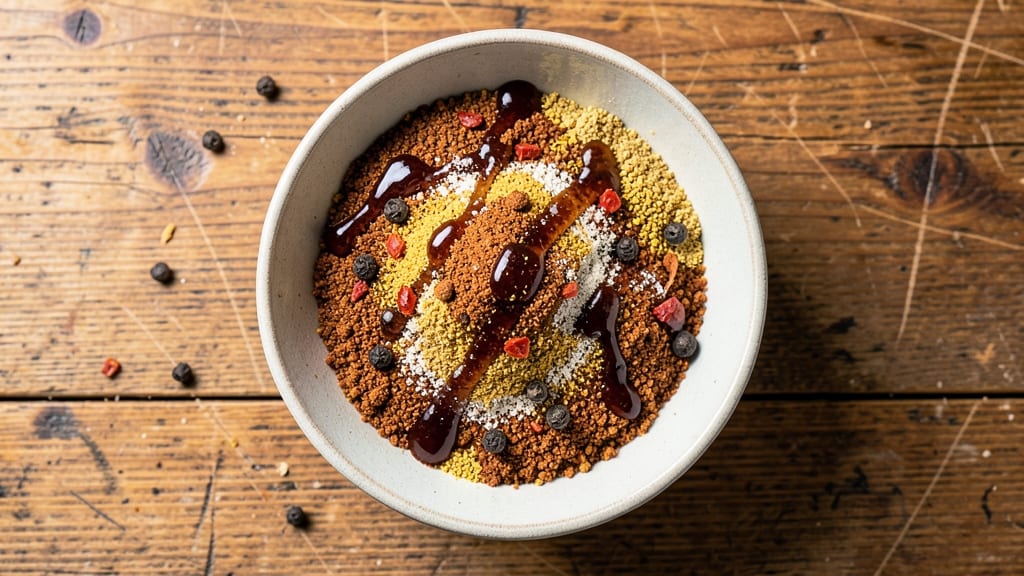
Creating the perfect basic chicken rub recipe starts with this smoky-spiced blend that transforms ordinary grilled or roasted birds into flavor-packed masterpieces. The secret lies in balancing earthy spices with just the right amount of heat and sweetness—no complex techniques required, just precise measurements.
This dry mix cuts through the work while delivering restaurant-quality results every time.
What makes this blend special is its versatility—use it on whole chickens, thighs, breasts, or even ground chicken for consistent, bold flavor. The spices develop a deep, aromatic crust when applied before cooking, creating a perfect balance of smokiness and warmth.
I’ve tested this mix countless times, and it never fails to impress, whether you’re grilling outdoors or roasting in the oven.
The result is chicken with a rich, golden-brown crust that crackles with every bite, infused with layers of flavor that stay true even after reheating. This blend stays fresh for months when stored properly, making it a game-changer for meal prep and bulk cooking.
Let’s break down exactly what goes into this foolproof seasoning mix.
For best results, apply the rub generously and let it sit for at least 30 minutes before cooking—this ensures maximum flavor penetration. The spices are measured in simple ratios, so scaling up or down is effortless.
Whether you’re hosting a dinner party or prepping for the week, this basic chicken rub delivers professional-quality flavor with minimal effort.
Ingredients for basic chicken rub
Nine spices, one magical blend—this smoky-sweet mix turns plain chicken into a flavor explosion.
| Ingredient | Amount | Notes |
|---|---|---|
| Smoked Paprika 🌶️ | 3 tbsp | Smoked for deep flavor |
| Ground Cumin 🌿 | 1 ½ tbsp | Toasted for warmth |
| Garlic Powder 🧄 | 1 ½ tbsp | Freshly ground preferred |
| Onion Powder 🧅 | 1 ½ tbsp | For sweet depth |
| Brown Sugar 🍯 | 1 tbsp | Light or dark works |
| Black Pepper 🌶️ | 1 tbsp | Freshly cracked preferred |
| Salt 🧂 | 1 tbsp | Kosher or sea salt |
| Dried Thyme 🌿 | 1 tsp | Or 1 tbsp fresh thyme |
| Cayenne Pepper 🔥 | ½ tsp | Adjust for heat preference |
| Ground Coriander 🌿 | ½ tsp | Citrusy, earthy balance |
The smoked paprika is non-negotiable—it’s what gives that signature smoky aroma that makes this rub so addictive. Penzeys or McCormick have great options, but honestly, the bulk bins at Whole Foods or Trader Joe's are where I grab mine. Look for a deep, rich color—lighter paprika means weaker flavor. The cumin? Toast it in a dry pan for 30 seconds first (just until fragrant)—that little step makes a world of difference. Brown sugar adds just enough sweetness to balance the heat, but don’t substitute white sugar or you’ll lose that caramelized depth when it cooks.
No smoked paprika? Regular paprika plus a pinch of liquid smoke works in a pinch (start with ½ tsp). Too much cayenne? Swap for red pepper flakes at half the amount. The coriander might be tricky to find—substitute dried cilantro if you must, but it’s a different vibe. Fresh thyme is ideal, but dried works at one-third the amount. Pro tip: If you’re using this on ground chicken, reduce the cayenne to ¼ tsp—it gets intense fast. And if you’re prepping for a crowd, double the batch—this stuff disappears quicker than you’d think.
Store this blend in an airtight container in a cool, dark place—it’ll stay potent for up to 6 months. I like to portion it into small jars so I can grab exactly what I need without measuring every time. For extra flavor, mix in 1 tsp of olive oil before applying to chicken—it helps the rub stick better. And if you’ve got leftover rub? Toss it in with roasted potatoes or sprinkle it on popcorn for a savory kick.
Why You'll Love This Recipe
- Five-Ingredient Magic: I swear, this rub is my secret weapon—just toss those spices (paprika, cumin, garlic powder) with a pinch of brown sugar, and you’ve got flavor gold. No measuring cups, no fancy techniques, just dump-and-stir.
- Smoky-Sweet Obsession: That smoky paprika and brown sugar combo? It’s addictive. The cumin adds warmth, while the garlic and onion powders keep it bright—like a hug in spice form.
- Tailgates to Tuesdays: Serve it on grilled chicken for a summer barbecue or toss it on baked chicken thighs for a weeknight win. Honestly, I’ve used it for everything from picnic sandwiches to slow-cooker meals.
- Leftovers That Don’t Suck: The rub clings to chicken like glue, so every bite tastes fresh—even after reheating. Plus, it’s dirt cheap to make, so I stock up and freeze portions for lazy days. (Yes, even on a Tuesday night.)
Step-by-step instructions for making a smoky-spiced chicken rub
This blend transforms simple chicken into a flavor powerhouse with just a few minutes of prep.
Combine Dry Ingredients in a Mixing Bowl
Place a medium-sized mixing bowl on your kitchen scale or measuring spoons ready. Start by adding the 3 tablespoons of smoked paprika - this is your flavor foundation that gives that signature smoky depth. Sprinkle in the 1.5 tablespoons of ground cumin next, giving it a gentle shake to distribute evenly.
Add the 1.5 tablespoons of garlic powder and 1.5 tablespoons of onion powder together. These dry aromatics will create that sweet, savory backbone that makes this rub work on everything from grilled chicken to roasted wings. The onion powder brings subtle sweetness while the garlic powder delivers that punchy, aromatic punch.
Incorporate the Sweet and Spicy Elements
Now it's time for the sweet and spicy components. Add the 1 tablespoon of brown sugar - this isn't just for sweetness, it helps caramelize during cooking, creating that beautiful crust. Stir it in thoroughly to distribute evenly through the mixture.
Next, add the 1 tablespoon of black pepper and 1 tablespoon of salt. These are your base seasonings - the salt enhances all the flavors while the pepper adds that essential heat. Don't skip measuring these precisely - they balance the entire blend. Finally, sprinkle in the 1 teaspoon of dried thyme and 0.5 teaspoon of cayenne pepper, then the 0.5 teaspoon of ground coriander. The thyme adds earthy depth, cayenne brings heat, and coriander contributes that citrusy brightness.
Mix Thoroughly Until Uniform
Use a whisk or fork to combine all ingredients until you achieve a completely uniform color and texture. You're looking for a fine, powdery consistency where no individual spices are visible. This ensures even flavor distribution when you apply it to your chicken.
Here's the thing - don't rush this mixing step. Take your time to break up any clumps and ensure every particle of brown sugar and smoked paprika is fully incorporated. The goal is a cohesive blend that will stick to your chicken and create that perfect crust during cooking. Once fully mixed, transfer to an airtight container for storage.
Store and Prepare for Use
Transfer your freshly mixed chicken rub to an airtight container with a lid that seals tightly. This blend will keep its flavor and potency for up to 3 months when stored in a cool, dark place. The airtight seal prevents moisture from dulling the spices and keeps them fresh.
When ready to use, simply apply a generous coating to your chicken - whether you're grilling, roasting, or baking. The rub should adhere well to the skin, creating that beautiful crust during cooking. For best results, let the seasoned chicken sit at room temperature for about 30 minutes before cooking to allow the rub to penetrate slightly and develop maximum flavor.
Pro Tips For Making Basic Chicken Rub
- TOAST THE SPICES: Smoked paprika and cumin taste flat if they’re just dumped straight from the jar. Heat them dry in a skillet for 30 seconds until fragrant—this wakes up their flavors and cuts that dusty, raw taste. (Yes, even if you’re impatient like me, resist the urge to rush this.)
- MEASURE THE SUGAR RIGHT: Brown sugar packs differently than white, and too much here makes your rub clump like wet sand. Spoon it into your measuring cup, then level it off with a knife—don’t tap the cup or you’ll end up with sticky, uneven globs that ruin the texture.
- PAT DRY THE CHICKEN: Wet skin = steam = sad crust. Use paper towels to blot the chicken thoroughly before applying the rub. I learned this the hard way after slathering a damp bird and ending up with a mealy, uncrustworthy mess—your future self will thank you.
- LET IT SIT: Don’t slap the rub on and toss it straight on the grill or pan. Let it rest on the chicken for at least 10 minutes—this lets the spices cling and start working their magic. (Pro move: Toss it in the fridge for 30 minutes if you’re prepping ahead.)
Make-ahead tips for this basic chicken rub
Freezer Prep
Portion your chicken rub into ice cube trays before freezing—each cube equals roughly 1 tablespoon of mix. Once frozen, transfer cubes to a ziplock freezer bag with all air removed.
This method keeps the rub fresh for up to 1 year without losing potency, and you can grab exactly what you need without thawing the whole batch. I label mine with the date and recipe name to avoid confusion. 📅
Pre-Rubbed Chicken
Apply the rub to chicken pieces and store them in a single-layer tray before freezing. Once coated, place the tray in the freezer for 1 hour to set the rub, then transfer to a ziplock bag with parchment paper between layers.
Thaw in the fridge overnight before cooking—this method preserves texture and prevents sogginess. Perfect for meal prep! ❄️
Batch Cooking
Make a large batch of the rub and store it in small, labeled jars (like 4-ounce mason jars) for easy grab-and-go use. I keep one jar in the fridge and one in the freezer for quick access.
When cooking, simply remove the jar from the freezer 10 minutes before use—it’ll thaw just enough to apply evenly. This is a lifesaver for busy weeknights. 💡
Flavor Boosting
For extra depth, mix 1 teaspoon of olive oil into the rub before applying it to chicken. This helps the spices adhere better and adds richness. Store any leftover oiled rub in the fridge for up to 2 weeks—just remember to use it within that time for best flavor.
I often do this when prepping for a crowd. 🌟
Reheating Tips
If you’ve prepped and frozen rubbed chicken, thaw it in the fridge overnight. Reheat in the oven at 350°F for 20-25 minutes or on the stovetop with a splash of broth to keep it moist.
Avoid microwaving—it can make the rub taste dull. For leftovers, store in an airtight container for 3-4 days in the fridge. 🔥
Spice Substitutions
Pre-mixed your rub but running low on a key spice? Swap ½ teaspoon of liquid smoke for smoked paprika, or use ½ teaspoon of dried oregano in place of thyme. Adjust cayenne to taste—start with ¼ teaspoon if you’re sensitive to heat. These tweaks work well for make-ahead batches. 🌶️
Nutrition facts
Frequently asked questions
Can I use this rub on other meats besides chicken?
This blend works beautifully on pork chops, turkey thighs, or even steak. The smoky-sweet profile complements rich meats, though you may want to reduce the cayenne slightly for delicate cuts like fish. For pork, increase the brown sugar to 2 tablespoons for extra caramelization.
How do I adjust the heat level in this recipe?
Start by reducing the cayenne pepper to ¼ teaspoon for mild heat, or omit it entirely. For extra kick, add ½ teaspoon of crushed red pepper flakes or a pinch of chili powder. Always taste as you go—spices intensify during cooking!
Can I make this rub without smoked paprika?
Yes! Mix 2 tablespoons regular paprika with ½ teaspoon liquid smoke for a similar effect. For a deeper flavor, toast the paprika in a dry pan for 1 minute before mixing. The blend will still deliver that signature smoky aroma, just with a slightly different texture.
Why does my rub sometimes clump together?
Clumping happens when moisture gets trapped in the spices. Store your rub in a completely dry, airtight container in a cool place. If clumps form, simply break them up with a fork or whisk before using. For extra insurance, add 1 teaspoon of cornstarch to the mix to absorb any moisture.
How much rub should I use per pound of chicken?
Use about 1-2 tablespoons of rub per pound of chicken. For whole birds, focus on coating the skin generously—don't forget the cavity! For breasts or thighs, a light coat is enough to avoid overpowering the meat. The rub will develop maximum flavor when applied 30 minutes before cooking.