
Soups & Stews
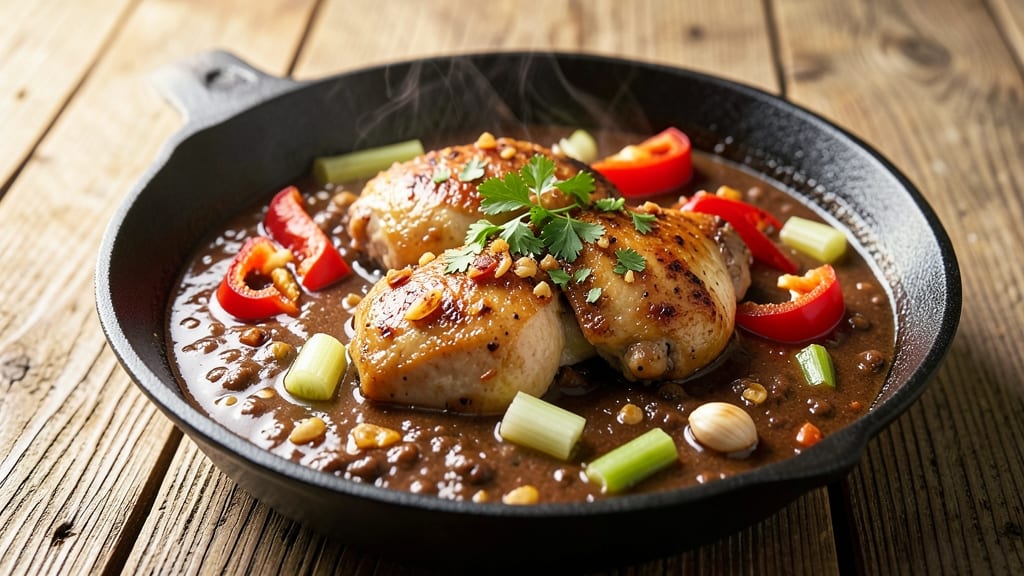
This chicken gumbo recipe builds on generations of Louisiana tradition, where a deep, dark roux forms the soul of every pot. The slow development of that smoky, nutty base—cooked just until it reaches the perfect mahogany stage—transforms simple ingredients into something unforgettable.
I’ve perfected this method over years of trial and error, ensuring the roux never burns while capturing that essential depth of flavor.
The secret lies in patience and precision: layering the holy trinity of onions, bell peppers, and celery, then simmering chicken until it’s tender enough to fall apart.
Each spoonful of broth carries the complexity of Cajun spices—paprika, thyme, bay leaf—while the roux ties everything together with a velvety richness that’s impossible to replicate with shortcuts. This isn’t just gumbo; it’s a celebration of technique and tradition.
By the time you serve it over steamed rice, topped with green onions and a crack of black pepper, you’ll have a dish that tastes like home—deep, smoky, and layered with flavor in every bite.
The roux alone makes this recipe worth the effort, but the harmony of chicken, vegetables, and spices elevates it to something truly special. Let’s get started.
For those who want to modernize the classic, consider adding shrimp or andouille sausage, but the foundation remains the same: a properly cooked roux is non-negotiable. Trust the process, and you’ll end up with gumbo that rivals your favorite Louisiana kitchen.
Ingredients for chicken "gumbo
This gumbo's foundation starts with butter and flour for the roux, then builds with the holy trinity and Cajun spices.
| Ingredient | Amount | Notes |
|---|---|---|
| Butter 🧈 | ½ cup | Unsalted, cold and cubed |
| All-Purpose Flour 🌾 | ½ cup | White, sifted for smoother roux |
| Yellow Onion 🧅 | 2 large | Diced, medium-fine cut |
| Green Bell Pepper 🍅 | 1 whole | Diced, medium-fine cut |
| Celery Stalks 🥬 | 3 whole | Diced, medium-fine cut |
| Garlic Cloves 🧄 | 4 cloves | Minced, fresh preferred |
| Chicken Thighs 🍗 | 2 ½ lb | Bone-in, skin-on preferred |
| Diced Tomatoes 🍅 | 14 ½ oz | Canned, fire-roasted preferred |
| Chicken Broth 💧 | 4 cups | Low-sodium, homemade preferred |
| Bay Leaves 🌿 | 2 whole | Dried, standard size |
| Dried Thyme 🌿 | 1 tsp | French preferred, crushed |
| Smoked Paprika 🌶️ | 1 tbsp | High-quality, no additives |
| Ground Black Pepper 🌶️ | ½ tsp | Freshly ground preferred |
| Green Onions 🧅 | ¼ cup | Chopped, white and green parts |
| Long-Grain White Rice 🍚 | 2 cups | Uncooked, jasmine preferred |
The roux is where this dish's soul lives. Use unsalted butter—salted can interfere with flavor balance—and Diamond Crystal flour for the best texture. Most grocery stores carry both, but specialty shops like Whole Foods or Penzeys offer higher-quality options. For the holy trinity, yellow onions should be sweet and firm, bell peppers vibrant, and celery crisp. If you can't find fresh thyme, French dried thyme works beautifully—just crush it between your fingers before adding. The smoked paprika needs to be pure, no additives—look for brands like La Boîte or Cholula for authentic flavor. Chicken thighs with skin and bone create the richest broth, but boneless works in a pinch.
No fire-roasted canned tomatoes? Regular diced tomatoes with a pinch of smoked paprika will work, though they'll lack depth. Running out of chicken broth? Substitute vegetable broth with an extra bay leaf—just remember to remove it before serving. Fresh thyme unavailable? Dried oregano at half the amount provides a similar earthy note. For the rice, jasmine or basmati absorbs the gumbo beautifully, but long-grain white rice is a reliable fallback. The green onions should be fresh—no wilting allowed. If you're short on time, frozen chopped green onions thawed and drained will suffice, though fresh is always better. For the smoked paprika, substitute a pinch of liquid smoke if you're truly out, but use sparingly—it's potent.
Store the roux base separately for up to 3 days in the fridge—it's the heart of this dish. The cooked gumbo reheats beautifully, but never microwave it directly; instead, warm it gently on the stove over medium-low heat. The rice can be cooked ahead and kept warm in a rice cooker. For longer storage, freeze the gumbo in airtight containers for up to 3 months. When reheating from frozen, add a splash of broth to prevent drying. The green onions and fresh herbs should be added just before serving to preserve their brightness. This gumbo tastes even better the next day as flavors meld—perfect for meal prep or feeding a crowd.
Why You'll Love This Recipe
- Holy Trinity Shortcut: I swear by that onion, bell pepper, and celery combo—just chop once, sauté together, and boom. No measuring, no stress, just the base of something magical happening in your pot.
- Rich Without Effort: Butter and flour make this roux so smooth and deep—like a warm hug in a bowl. The kind of flavor that makes you go back for seconds without even thinking.
- Pot Luck Hero: Bring this to a gathering and watch it disappear. It’s hearty enough for a Sunday dinner but simple enough to throw together when your in-laws drop by unannounced.
- Budget-Friendly Feast: A few cheap staples stretch into a meal that feeds four for under $15. Leftovers? Even better—they taste just as good reheated, so you’re basically making two meals for the price of one.
Step-by-step instructions for smoky chicken gumbo
Mastering gumbo starts with the roux—this is where depth of flavor begins.
Develop the Roux to a Deep Chocolate Brown
In a heavy-bottomed Dutch oven, melt the 0.5 cup butter over medium-low heat, stirring constantly with a wooden spoon. The butter should foam gently before it begins to bubble. Immediately add the 0.5 cup all-purpose flour and whisk vigorously to prevent lumps from forming.
Here's the critical part: cook the roux for 30-40 minutes, stirring continuously, until it reaches a deep, rich chocolate brown color. This color indicates the flour's natural sugars have caramelized, creating the foundation for your gumbo's complex flavor. If the roux darkens too quickly or smells burnt, reduce the heat immediately—burnt roux ruins the dish. The roux should coat the back of a spoon smoothly without being grainy.
Sauté the Holy Trinity for Flavor Development
Once your roux has reached the perfect chocolate brown, immediately add the 2 large diced yellow onion, 1 whole diced green bell pepper, and 3 whole diced celery stalks. Stir well to coat the vegetables in the roux, then reduce heat to medium-low and cook for 8-10 minutes, stirring occasionally. The vegetables should soften slightly but not brown—you're building flavor, not caramelizing.
After 5 minutes, add the 4 minced garlic cloves and cook for another 30 seconds until fragrant. This is your "holy trinity" base, and proper cooking ensures it doesn't overpower the dish with bitterness. If the vegetables begin to stick, add 1-2 tablespoons of the 4 cups chicken broth to deglaze and keep everything moist.
Brown the Chicken and Build the Base
Push the vegetables to one side of the Dutch oven and add the 2.5 lb chicken thighs, skin-side down. Cook for 5-6 minutes until the skin is golden brown and crispy. Flip the thighs and cook for another 3-4 minutes until they reach an internal temperature of 165°F. Remove the chicken and set aside, leaving any rendered juices in the pot.
Return the pot to medium heat and add the 14.5 oz diced tomatoes, scraping up any browned bits from the bottom. Stir in the 4 cups chicken broth, 2 whole bay leaves, 1 tsp dried thyme, 1 tbsp smoked paprika, and 0.5 tsp ground black pepper. Bring to a gentle simmer, then reduce heat to low and let it cook uncovered for 20 minutes, allowing the flavors to meld.
Simmer and Season the Gumbo
Return the chicken thighs to the pot, skin-side up, and simmer for 30-40 minutes until the meat is fork-tender and easily pulls away from the bone. Remove the chicken and shred the meat, discarding the bones and skin. Return the shredded chicken to the pot and stir in the 0.25 cup chopped green onions. Taste and adjust seasoning—gumbo should be rich but not overly salty.
For the perfect texture, skim off any excess fat that has risen to the surface. The gumbo should have a thick, velvety consistency with visible chunks of vegetables and chicken. If it's too thin, simmer uncovered for another 5-10 minutes to reduce. This is where patience pays off—the longer it simmers, the deeper the flavors develop.
Prepare and Serve the Rice
While the gumbo simmers, rinse the 2 cups long-grain white rice under cold water until the water runs clear. In a separate pot, bring 3 cups water to a boil, add the rice, reduce heat to low, cover, and simmer for 15 minutes. Do not stir the rice during cooking—this ensures even grains.
To serve, ladle the gumbo over the rice, ensuring each portion gets an equal share of vegetables and chicken. Garnish with additional chopped green onions and serve immediately with crusty bread on the side. The gumbo should be rich, smoky, and layered with the deep flavor of the roux, balanced by the bright acidity of the tomatoes and the earthy notes of the holy trinity.
Pro Tips For Making Chicken "Gumbo
- Sweat, Don’t Burn: The holy trinity (onion, bell pepper, celery) needs gentle heat—no rushing. Too much sizzling means bitter flavors and wasted time redoing it. Cover the pan and let it steam for 5 minutes midway; you’ll get deeper color and caramelization without charring.
- Whisk Like You Mean It: When making the roux with butter and flour, stop stirring if it smells like burnt popcorn. I learned this the hard way—once I let it go past nut-brown, and the whole gumbo tasted like a campfire. Keep the heat medium and whisk nonstop until it’s a rich, peanut-butter consistency.
- Salt the Butter First: Toss in a pinch of salt with the melted butter before adding flour—it seasons the roux from the start. Skipping this means you’re playing catch-up later, and the gumbo will taste flat. (Yes, even if you’re impatient like me.)
- Deglaze with Liquid Gold: Don’t just toss in water or broth after browning the chicken—save that pan drippings. Add a splash of white wine or apple cider vinegar first, scrape up the browned bits, then pour in the broth. It’s the flavor difference between "meh" and "worth making again."
Serving suggestions for leftovers
Classic Rice Pairing
Serve your gumbo over jasmine or long-grain white rice—the grains should be tender but still hold their shape. I recommend cooking the rice separately in a 1:1.5 rice-to-water ratio (e.g., 2 cups rice to 3 cups water) and letting it steam for 15 minutes without stirring.
The rice acts like a sponge, soaking up the rich gumbo while keeping the dish cohesive. 🍚
Fresh Garnishes
Brighten the dish with chopped green onions and a crack of black pepper right before serving. For extra flair, add fresh parsley or thinly sliced scallions—their crispness cuts through the richness. I also love a sprinkle of smoked paprika for a visual pop and extra depth of flavor.
Crusty Bread
No gumbo is complete without crusty French bread or cornbread on the side. The bread soaks up any leftover gumbo and adds a satisfying texture contrast. For a Southern touch, serve buttery dinner rolls or grilled sourdough—just warm them slightly before serving so they’re still fresh.
Modern Twists
Want to elevate your gumbo? Serve it with crispy fried okra or sautéed mushrooms for extra texture. A side of collard greens or black-eyed peas adds a Southern-inspired balance. For a contemporary touch, pair it with roasted sweet potatoes or a cooling avocado salad to complement the smoky flavors.
Drink Pairings
A dry white wine like Sauvignon Blanc or a light lager cuts through the richness beautifully. For a non-alcoholic option, iced sweet tea or sparkling lemonade refreshes the palate. I also enjoy a dark beer like a stout, as its maltiness mirrors the gumbo’s depth.
Leftovers Strategy
Gumbo tastes even better the next day! Store leftovers in an airtight container in the fridge for up to 4 days or freeze for 3 months. Reheat gently on the stove with a splash of broth to restore moisture.
Serve with extra rice or a side of cornbread muffins for a comforting meal. 💡
Nutrition facts
Frequently asked questions
Why does my roux burn so easily?
Roux burns quickly because it requires constant stirring over medium-low heat. Use a heavy-bottomed Dutch oven and keep heat low—if it darkens too fast, reduce immediately. A properly cooked roux should reach a deep chocolate brown, not black.
Can I make gumbo ahead of time?
Gumbo tastes even better the next day. Store it in an airtight container in the fridge for up to 4 days or freeze for 3 months. Reheat gently on the stove with a splash of broth to restore moisture. The flavors deepen over time!
What can I substitute if I don’t have chicken thighs?
Use chicken breasts or drumsticks instead, but bone-in, skin-on pieces work best for flavor. For a seafood twist, swap in shrimp or crab—just add them later to avoid overcooking. The roux and holy trinity remain the core foundation.
How do I fix a gumbo that’s too thin?
Simmer uncovered for 5-10 minutes to reduce the liquid. If it’s still too thin, mix 1 tablespoon cornstarch with 2 tablespoons water, stir into the gumbo, and cook until thickened. Never use flour—it’ll make it grainy.
What’s the secret to a smoky flavor without liquid smoke?
Use smoked paprika and cook the roux to a deep brown—this caramelization creates natural smokiness. For extra depth, add a bay leaf or char the edges of your vegetables slightly. The key is patience and low heat.