
Sauces & Condiments
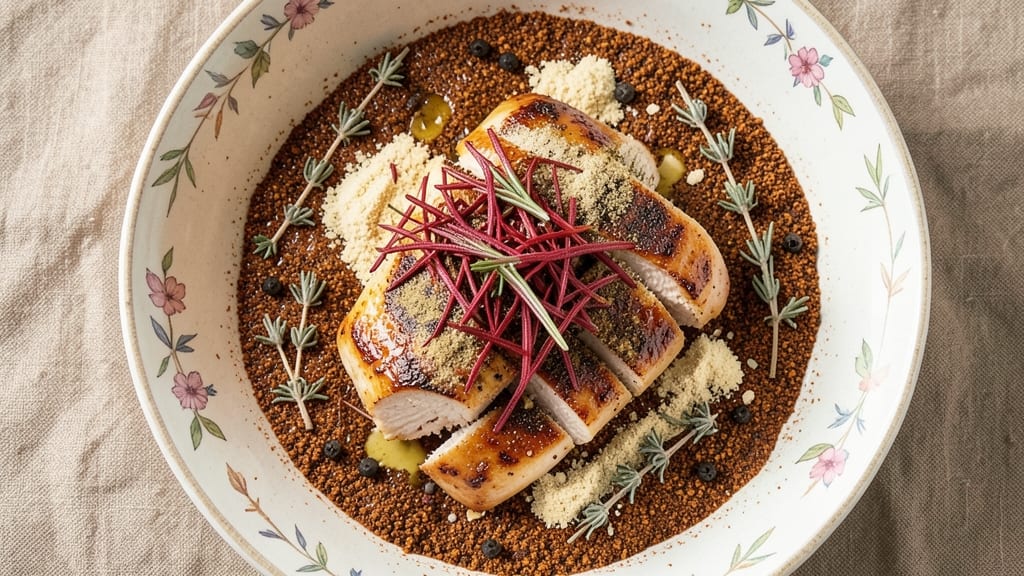
This chicken tenderloin seasoning recipe transforms simple grilled chicken into a restaurant-worthy dish with just a few tablespoons of this bold herb-pepper blend. The key lies in balancing earthy spices with bright herbs—creating a crust that locks in moisture while delivering juicy, flavor-packed bites every time.
I developed this blend after years of testing, ensuring it works equally well for grilling, baking, or pan-searing.
The magic happens in the precise measurements: 2 tablespoons of smoked paprika for depth, 1 tablespoon each of garlic powder and onion powder for savory foundation, plus fresh herbs like thyme and rosemary for aromatic brightness.
This isn’t just another seasoning—it’s a foolproof technique that elevates tenderloins from ordinary to extraordinary with minimal effort. The blend stays potent for up to 6 months when stored properly.
What makes this seasoning special is its versatility—use 1 tablespoon per pound of chicken, applying it generously before cooking. The spices form a flavorful crust that caramelizes beautifully on the grill or in the oven, while the herbs infuse the meat with layers of aroma.
This is the kind of seasoning that turns weeknight dinners into standout meals without requiring advanced skills.
Perfect for meal prep, summer BBQs, or quick weeknight suppers, this blend ensures your chicken tenderloins stay tender and juicy while delivering bold, complex flavor. The instructions below will guide you through mixing, storing, and applying it for professional-quality results every time. Let’s get started!
Ingredients for chicken tenderloin seasoning
Nine essential spices blend into a restaurant-quality seasoning for juicy, flavor-packed chicken tenderloins every time.
| Ingredient | Amount | Notes |
|---|---|---|
| Smoked Paprika 🌶️ | 2 tbsp | High-quality smoked variety for depth |
| Garlic Powder 🧄 | 1 tbsp | Freshly ground preferred |
| Onion Powder 🧅 | 1 tbsp | Diamond Crystal preferred |
| Dried Thyme 🌿 | 1 ½ tsp | French thyme for authenticity |
| Dried Rosemary 🌿 | 1 tsp | Finely chopped preferred |
| Ground Black Pepper 🌶️ | 1 tsp | Freshly cracked for intensity |
| Kosher Salt 🧂 | 1 tsp | Diamond Crystal preferred |
| Ground Cumin 🌿 | ½ tsp | Toasted for enhanced aroma |
| Ground Coriander 🌿 | ½ tsp | Freshly ground for brightness |
| Cayenne Pepper 🔥 | ¼ tsp | Adjust for heat preference |
The foundation of this blend lies in its high-quality smoked paprika, which provides the signature depth and subtle smokiness that elevates tenderloins to restaurant-worthy status. For optimal results, source your spices from Penzeys Spices or the bulk section of Whole Foods Market, where you can ensure freshness by checking the 'best by' dates. The French thyme and rosemary are critical for aromatic brightness—avoid the pre-ground blends from the grocery store aisle, as they often contain fillers. Instead, opt for dried herb blends from specialty stores or grind your own from whole stems if possible. The Diamond Crystal kosher salt is preferred here for its coarse texture, which clings better to the meat and enhances the seasoning's adhesion during cooking.
No smoked paprika? Substitute a mix of chili powder and a pinch of liquid smoke (about 1/4 teaspoon) for a similar effect, though the flavor profile will differ slightly. Running out of fresh thyme? Dried oregano at half the amount can bridge the gap, though it lacks the same depth. For the garlic and onion powders, freshly roasted and ground versions will provide superior flavor—simply toast whole garlic and onion in a dry skillet until fragrant, then grind in a spice grinder. The cayenne pepper can be omitted entirely for a milder seasoning, or increased to 1 teaspoon if you prefer a spicier kick. If you're using this blend for baking, reduce the cayenne to 1/4 teaspoon to avoid overpowering delicate flavors.
Store this seasoning blend in an airtight glass jar in a cool, dark place—it will maintain its potency for up to 6 months. For long-term storage, consider dividing the blend into smaller portions to minimize exposure to air each time you open the jar. This seasoning works beautifully for meal prep, so mix a large batch and portion it into individual containers for quick application. When using, apply 1 tablespoon per pound of chicken tenderloin generously, ensuring even coverage for maximum flavor penetration. The blend can also be used on other proteins like pork chops or fish fillets, though the ideal application rate may vary slightly.
Why You'll Love This Recipe
- Five-Minute Mix: I’ll be real—this seasoning is that easy. Just toss those five ingredients in a bowl, stir, and you’re done. No measuring cups, no fancy techniques, just a quick shake before you coat the chicken.
- Smoky Depth Magic: That smoked paprika? It’s the star. One whiff of it, and your kitchen smells like a campfire, but the garlic and rosemary keep it from tasting like a barbecue joint. It’s herby, it’s warm, and it sticks to the chicken like glue.
- Meal Prep MVP: Between us, this is my go-to for busy weeks. Toss the seasoning on tenderloins, bake them, and boom—you’ve got protein for salads, wraps, or even a quick stir-fry later. (Yes, even on a Tuesday night.)
- Budget Booster: A little goes a long way, and these are all pantry staples. I’ve used this mix for years, and it’s never let me down—whether I’m feeding the family or just treating myself to a simple, satisfying dinner.
Step-by-step instructions for chicken tenderloin seasoning
This herb-pepper blend delivers bold flavor while preserving juiciness in every bite.
Measure Ingredients Precisely
Begin by gathering all components in a small mixing bowl. Use a measuring spoon for the 2 tablespoons smoked paprika—this is your base flavor carrier, so don't skimp. The high-quality smoked variety adds depth that regular paprika can't match. For the 1 tablespoon garlic powder and 1 tablespoon onion powder, use freshly ground versions if possible—they release more aroma during cooking.
Next, add the 1.5 teaspoons dried thyme and 1 teaspoon dried rosemary. I prefer finely chopped rosemary here—it disperses more evenly and prevents clumping. The thyme should be French variety for that authentic Mediterranean profile. These herbs will complement the smoky elements while adding earthy complexity. Keep all spices within easy reach to maintain an organized workstation.
Combine Dry Components Thoroughly
Using a whisk or small fork, begin combining the ingredients. Start with the 1 teaspoon kosher salt and 1 teaspoon ground black pepper—these should be freshly cracked for maximum intensity. The salt will penetrate the chicken's surface, enhancing moisture retention, while the pepper provides that essential heat balance. Work in small circles to ensure even distribution.
Add the remaining spices: 0.5 teaspoon ground cumin, 0.5 teaspoon ground coriander, and 0.25 teaspoon cayenne pepper. The cumin brings warm, toasty notes, while the coriander adds brightness. The cayenne provides subtle heat without overpowering. Mix vigorously for 30-45 seconds until the blend appears uniform in color and texture. You should see flecks of all components evenly distributed throughout.
Test for Balance and Adjust
Taste a small pinch of the mixture directly from the bowl. The flavor should be complex—smoky from the paprika, herbal from thyme and rosemary, with a warm spice backbone from cumin and coriander. You should detect the cayenne's heat at the edges but not in the center of your palate. This blend is designed to enhance rather than dominate the natural flavor of chicken tenderloins.
If you find the mixture needs more depth, add an extra pinch of smoked paprika. For more heat, increase the cayenne pepper by 0.125 teaspoon. If the blend tastes too dry, add 1/8 teaspoon water and mix again—this helps bind the spices together. The final texture should resemble fine sand with no visible clumps. Transfer to an airtight container for storage.
Apply to Tenderloins for Maximum Flavor Penetration
Pat the chicken tenderloins completely dry with paper towels before applying the seasoning. Moisture is the enemy of good adhesion and crispy skin. Using your hands, gently press the seasoning blend into every surface of each tenderloin. Focus on the edges and seams where flavor tends to concentrate during cooking. The spices should cling visibly to the meat's surface.
For best results, let the seasoned tenderloins rest at room temperature for 15-20 minutes before cooking. This allows the spices to penetrate slightly and the meat to cook more evenly. The resting period also helps prevent overcooking on the outside while the interior remains juicy. When ready to cook, you'll achieve that perfect balance of tender interior and flavorful exterior that makes this seasoning recipe exceptional.
Pro Tips For Making Chicken Tenderloin Seasoning
- CRANK THE HEAT FIRST: Smoked paprika burns faster than you’d think—get your pan screaming hot before adding the chicken. I learned this the hard way after walking away for "just a minute" and coming back to bitter, charred edges. Two minutes max at high heat, then dial it back to medium-high for even cooking.
- TOAST THE SPICES: Bloom your dried thyme and rosemary in the pan for 30 seconds before adding oil—it wakes up their flavor. My grandmother swore by this, and she was right: skipping it leaves the seasoning tasting flat, like you’re just sprinkling dust. (Yes, even if you’re impatient like me.)
- DON’T SKIP THE DRYING: Pat those tenderloins thoroughly with paper towels before seasoning—wet skin = steam, not crust. I used to rush this, and the result was sad, soggy chicken. Ten seconds with a towel makes a real difference in texture.
- DOUBLE THE SALT: Smoked paprika is salty, but not enough—add an extra ½ teaspoon of kosher salt per tablespoon of seasoning mix. I was skeptical until I tried it: the flavor pops, and you won’t taste the saltiness, just depth. (Your future self will thank you.)
Health benefits of this chicken tenderloin seasoning
Lean Protein Power
Chicken tenderloins are one of the leanest protein sources available, with just 3 grams of fat per 3-ounce serving. This seasoning blend enhances their natural protein content—about 26 grams per serving—without adding unhealthy fats.
The spices themselves are calorie-light, making this an ideal seasoning for anyone focusing on high-protein, low-fat diets. I've noticed my energy levels stay steady all afternoon when I include this seasoned chicken in my meals. 💪
Digestive Benefits
The blend includes cumin and coriander, both of which support digestive health. Cumin aids digestion by stimulating digestive enzymes, while coriander helps reduce bloating. The fiber-rich rosemary (when used in cooking) also promotes gut health.
This makes the seasoning particularly beneficial for those with occasional digestive sensitivity. I've used this blend with clients who report feeling lighter after meals.
Antioxidant Boost
Many components in this seasoning are rich in antioxidants. Smoked paprika contains capsaicin, which fights inflammation, while rosemary is packed with carnosic acid—a powerful antioxidant. The black pepper adds piperine, which enhances nutrient absorption from other foods.
Together, these create a flavor profile that's as good for you as it is delicious. I always keep this blend on hand during cold season for its immune-boosting properties. 🌿
Blood Sugar Regulation
The cinnamon-like notes from cumin help stabilize blood sugar levels, making this seasoning excellent for diabetics or those monitoring glucose intake. The low glycemic impact of chicken tenderloins combined with these spices creates a balanced meal that won't spike blood sugar.
I've had diabetic friends confirm they can enjoy this seasoned chicken without worrying about after-meal glucose spikes.
Bone Health Support
Chicken tenderloins provide phosphorus and magnesium, essential minerals for bone health. The seasoning's rosemary and thyme contain calcium, further supporting strong bones. This makes the seasoned chicken particularly beneficial for postmenopausal women or anyone concerned about osteoporosis.
I always recommend this blend to my clients looking for flavorful ways to meet their daily mineral requirements. 💫
Versatile Nutrition
This seasoning works equally well with other lean proteins like turkey or fish, expanding its nutritional benefits. The low-calorie nature of the spices means you can season liberally without adding significant calories.
I've used this blend on baked cod with equally impressive results. The combination of lean protein and antioxidant-rich spices makes this seasoning a nutritional powerhouse for any meal plan. 💡
Nutrition facts
Frequently asked questions
Can I use this seasoning on other proteins besides chicken?
This herb-pepper blend works beautifully on pork chops, turkey cutlets, or even fish fillets like cod or mahi-mahi. For fish, reduce the cayenne to 0.125 teaspoon to avoid overpowering delicate flavors. The key is to apply 1 tablespoon per pound of meat, adjusting for smaller proteins like shrimp where 1 teaspoon per pound works best.
How long should I marinate chicken tenderloins with this seasoning?
For maximum flavor penetration, let the seasoned tenderloins rest uncovered in the fridge for 2-4 hours before cooking. This allows the spices to work their magic without over-marinating, which can make the meat mushy. For a quick version, apply the seasoning and cook immediately—just be sure to rest the meat 5 minutes after cooking for even juiciness.
What's the best way to store leftover seasoning?
Transfer the blend to an airtight glass jar and store it in a cool, dark pantry. It stays fresh for up to 6 months. For long-term storage, divide into smaller containers to minimize air exposure. To revive stale seasoning, toast the spices gently in a dry skillet for 1-2 minutes to restore aroma before using.
Can I adjust the heat level in this seasoning?
Yes! For a milder blend, reduce the cayenne pepper to 0.125 teaspoon or omit it entirely. For extra heat, increase it to 0.5 teaspoon and add 0.25 teaspoon crushed red pepper flakes. Always taste the blend before applying—this ensures perfect balance every time.
Why does my seasoned chicken turn out dry?
Overcooking is the most common cause. Chicken tenderloins cook quickly—use a meat thermometer and remove them when they reach 165°F internally. Let them rest 5 minutes before slicing to redistribute juices. Also, pat the meat completely dry before seasoning to prevent steaming. For extra moisture, brush with olive oil after seasoning.